Manchester's Strange Quarter: A Cultural Oasis Under Threat
In the shadow of Strangeways prison, an unexpected cultural revolution has transformed Manchester's industrial landscape over the past decade. The area now known as the Strange Quarter has evolved from forgotten industrial estates into a thriving ecosystem of DIY clubs, arts spaces, and creative studios that has fundamentally reshaped Manchester's cultural identity.
The Vibrant Heart of Manchester's Alternative Scene
Walking through the Strange Quarter reveals a remarkable concentration of artistic energy packed into just twenty minutes of exploration. This loosely defined district straddling Manchester and Salford has become home to some of the city's most innovative cultural spaces.
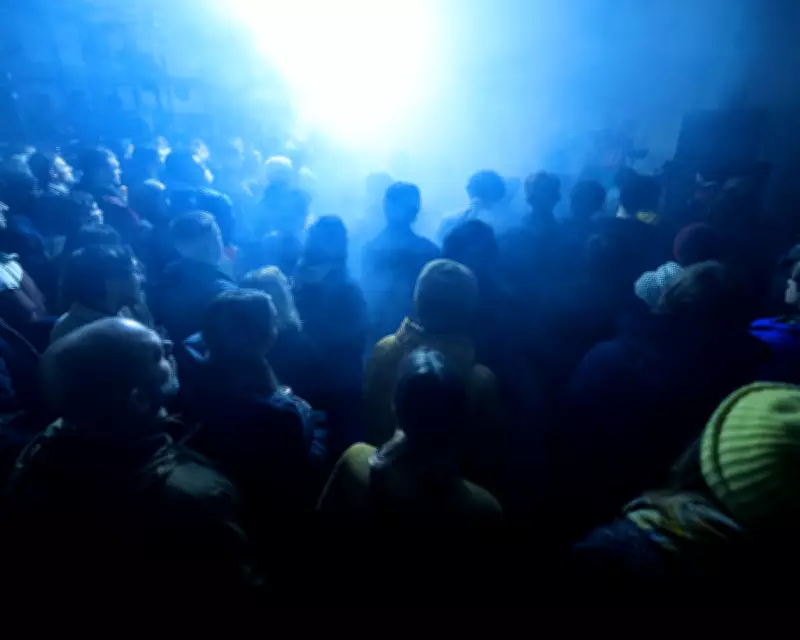
The White Hotel stands as a prime example, programming groundbreaking music within the walls of a converted MOT garage. Nearby, Hidden offers a multi-level club experience with an expansive open-air dancefloor, while housing scores of artist studios across its Downtex Mill complex and newer Inca building.

The DBA represents another success story - a historic pub reborn as a crucial gathering point for queer and electronic music communities. The Yard provides an intimate indoor-outdoor venue, and 1520 operates as a creative hub hosting everything from ambient gatherings to techno sessions in its versatile basement space.
"The scene here will be remembered far beyond many of the histories celebrated today," asserts Sam Rushton, manager of 1520, who was designing an elaborate stage for an IDM artist's album launch when interviewed. This sentiment echoes throughout the quarter, where many believe the area has fundamentally redefined Manchester's cultural life beyond its traditional associations with the Haçienda and Oasis.
The Development Threat Looms Large
The Strange Quarter's future now hangs in the balance following the finalization of the Strangeways and Cambridge Strategic Redevelopment Framework in November. This joint venture between Manchester and Salford city councils outlines a transformative twenty-year plan covering 130 hectares of land, including the very heart of the cultural district.
While specific details remain unclear, the framework's overarching goals include constructing 7,000 new homes and creating up to 1.75 million square feet of commercial opportunities. Perhaps most significantly for existing venues, the plan proposes Copper Park - a 24-hectare green space along the River Irwell that would reintroduce a flood plain lost to concrete decades ago, potentially displacing venues like the White Hotel.
"There is no requirement for the venue to relocate at present," states a spokesperson for the SRF team, adding that support would be offered if relocation eventually becomes necessary. However, venue owners find this assurance vague and insufficient for planning their futures.
Communication Breakdown and Growing Concerns
Josh Fenton-Thomas, founder of 1520 Studios who was involved during initial SRF consultations, believes the Strange Quarter's survival "comes down to the existing organisations getting and working together." He points to significant communication failures from planning authorities, stating, "My experience so far is completely not being included or involved."
Francesca Melia, a town planner by day and part of the team at the Bag Factory - a 60-capacity venue approaching its first anniversary - echoes these concerns. "When the SRF was first published, our response was largely one of uncertainty rather than outright opposition," she explains, noting that many DIY venue owners "were either unaware of the consultation or unclear about how directly it might affect them."
As details about housing volumes and commercial developments emerged, Melia says operators have become "increasingly concerned about how grassroots venues and independent creative spaces will fit into the future of the area."
The Complex Reality of Regeneration
Not all perspectives paint the councils as adversaries. An anonymous source from another venue cautions against "us and them" narratives, stating, "The Strangeways regeneration team are doing a good job in trying to make a difference and taking on the needs and perspectives of the local venues and businesses."

The SRF team confirms "ongoing discussions with many of the venues" and that council officers have "contacted a number of venue managers to offer briefings on the proposals." Grassroots charity Music Venue Trust is also engaged in the process, aiming to "guarantee meaningful consultation" according to the organization's Jay Taylor.
Significant questions remain about how new residential developments can coexist with late-night music venues. The SRF cites the "agent of change" principle, which theoretically places responsibility on new developments to manage noise impacts through proper soundproofing. However, this policy lacks statutory planning law status, leaving venues vulnerable despite nationwide campaigning for stronger protections.
"We are not opposed to regeneration in principle," Melia clarifies. "Investment and improvement in the Strangeways area are needed and welcome. But our concern is that without explicit recognition and protection, regeneration could unintentionally displace the very cultural character that makes the area distinctive."
As Manchester continues to evolve, the Strange Quarter stands at a crossroads - its vibrant cultural ecosystem potentially threatened by the very development that could bring investment and improvement to the surrounding area. The coming months will reveal whether this unique cultural district can survive the sweeping changes planned for its neighborhood.