Prepare to have your mind twisted and your senses deceived as we delve into the captivating world of optical illusions crafted by the masterful French-American inventor, Olivier Redon. His creations, celebrated in museums and television programs globally, challenge our perception of reality in the most extraordinary ways. Today, we present five of his most brilliant and perplexing images, inviting you to unravel the secrets behind each visual enigma.
The Art of Deception: A Closer Look at Redon's Illusions
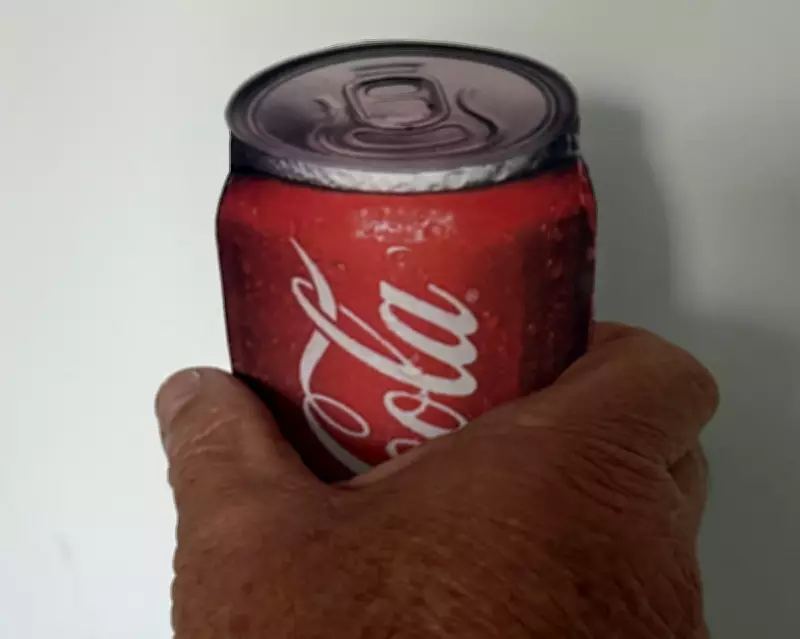
At first glance, the main image appears to depict a simple Coca-Cola can, but look again—it's not a can at all. This is a clever trick of perspective, a hallmark of Redon's work that blurs the lines between art and illusion. Can you decipher what's truly happening in this image? The answer lies in the intricate play of angles and shadows that Redon expertly manipulates to create a stunning visual paradox.
Five Puzzles to Test Your Perception
Redon's illusions are not just images; they are puzzles designed to engage and intrigue. Here are five of his most sensational creations, each with a unique challenge that will leave you questioning what you see.

- Ceci n'est pas une canette: Another view of the Coca-Cola can illusion. What are you actually looking at? Is it a flat surface or a three-dimensional object? The mystery deepens as you try to pinpoint the reality behind the facade.
- The Oh La La Box: This appears to be a red box, but Redon is holding something entirely different in his hand. The illusion plays with color and form, creating a deceptive visual that challenges our assumptions about everyday objects.
- Twin dinos: An iPhone image shows two dinosaurs that are identical in size, yet the perspective suggests otherwise. How did Redon capture this image? The secret involves clever positioning and camera angles that distort our sense of scale.
- Fragile: A portrait of Redon and his daughter, but the method of capture is shrouded in mystery. Was it taken with a mirror, a lens, or something more unconventional? The emotional depth of the image adds another layer to the puzzle.
- The transparent cube: This looks like a cube with words on three external sides, but is it really a cube? The illusion invites you to look beyond the surface and discover the hidden structure that makes this image so mesmerizing.
Why Optical Illusions Fascinate Us
Optical illusions like those created by Olivier Redon tap into the fundamental workings of our brain, revealing how perception can be manipulated. They remind us that seeing is not always believing, and that art can be a powerful tool for exploring the limits of human cognition. From ancient times to modern digital art, illusions have captivated audiences by blending mathematics, geometry, and creativity into visual masterpieces.
As we await the reveals for each of these images, set to be unveiled later today, we encourage you to share your thoughts and discuss your favorite optical illusions. Remember, no spoilers allowed—let the mystery unfold naturally. All photographs are copyrighted by Olivier Redon, and you can explore more of his work on his official website or follow him on professional networks for further inspiration.
This puzzle series has been a staple since 2015, continually seeking out great challenges to engage curious minds. If you have a suggestion for a future puzzle, feel free to reach out and contribute to this ongoing exploration of visual wonders.