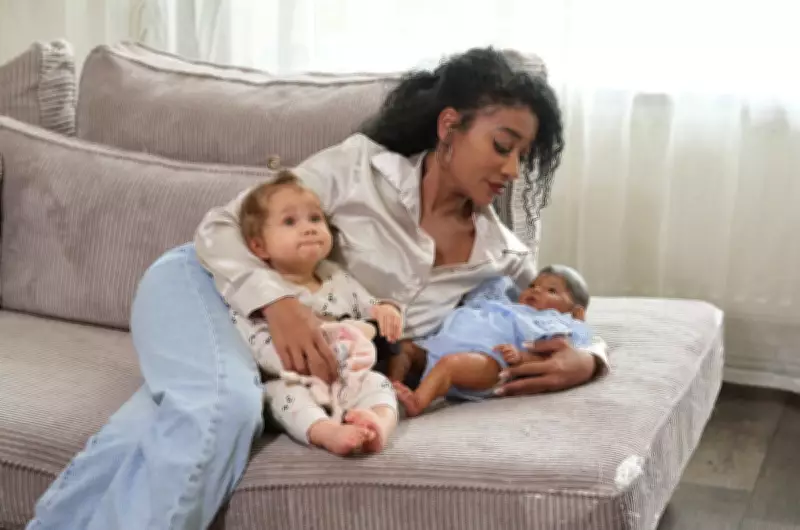
The Lifelike World of Reborn Dolls: From Loneliness to Healing in the Netherlands
Dolls that mimic real babies with astonishing detail—tiny veins, skin folds, and lifelike features—can be both endearing and unsettling. In the Netherlands, tens of thousands of enthusiasts are drawn to "reborn" dolls, creating a vibrant community that blends artistry, emotion, and personal healing.
A Hobby Born from Longing and Craftsmanship
Ineke Schmelter, 71, often strolls with a pram, inviting curious glances from passersby who ask, "How old is the baby?" She reveals a reborn doll, explaining the meticulous craftsmanship—up to 20 layers of paint for realism. Schmelter, a former nurse and maternity worker, turned to reborn dolls after retirement, missing the warmth of caring for infants. She started by restoring old dolls and now owns 10, with prices ranging from €400 to €1,200.
"I trawl charity shops for vintage clothes and baby bottles," says Schmelter. "It's a trip down memory lane. When I dress a doll, I chat to it, and it helps with loneliness. I'd rather take a stroll with a pram than use a walker." Her story reflects a broader trend where these dolls offer solace and connection.

Global Enthusiasm and Emotional Connections
Reborn dolls originated in the U.S. in the 1990s, where hobbyists modified mass-produced dolls. Today, millions worldwide engage as makers, collectors, and carers, sharing their journeys on platforms like Facebook, TikTok, and YouTube. Videos depicting "a day in the life" with these dolls garner hundreds of thousands of views, highlighting their appeal.
Nicolle Lamerichs, a fan culture researcher at Utrecht University of Applied Sciences, notes that reborn dolls combine creativity, role-play, collecting, and community. "The emotion is intimate," she explains. "Some use them to remember a lost child or cope with unfulfilled motherhood. Our culture often lacks space for these darker sides, but online groups provide it."
Artistry and High Costs
Creating reborn dolls is an art form. Artists like Enrique Alvarez, inspired by his father's artistry, sculpt molds from clay, cast them in vinyl or silicone, and apply multiple paint layers. Human hair is rooted strand by strand, and bodies are filled with glass granules to mimic a baby's weight. Prices vary from €300 for budget options to thousands for works by renowned artists, with unpainted kits available for hobbyists.
Alvarez, who began making dolls after his daughter's birth, has exhibited internationally and won awards. "We didn't know about reborn dolls initially," he recalls. "Now, it's a passion that connects me globally."
Challenges and Societal Judgments
Despite their popularity, reborn doll enthusiasts face stigma. Public outings often draw strange looks or blunt reactions, and online hate messages are common. In Brazil, where TikTok videos generate revenue, some women have taken dolls to hospitals, pretending they're real, prompting legislative considerations and media scrutiny.
Lamerichs attributes this backlash to gendered perceptions. "Women's hobbies with emotional components are often dismissed," she says. "Reborn dolls challenge idealized motherhood, making people uncomfortable. Emotions in women are still labeled as hysterical in our culture."
Healing and Therapeutic Benefits
For many, reborn dolls serve as tools for healing. Margriet Shein turned to doll-making after a miscarriage, repainting a doll to resemble her unborn child. "It comforted me," she shares. Lucinda Asraf, who struggled with infertility, found purpose in creating dolls. "Watching a doll come to life makes me proud," she says. "It helps process the grief of not having children."
Research supports therapeutic uses: dolls can reduce aggression in dementia patients, improve mood, and aid those with anxiety or autism. Holding them releases feel-good chemicals, similar to weighted blankets. Lamerichs emphasizes the importance of adult play: "Role-play helps process emotions, much like therapy programs."

A Community of Pride and Secrecy
While some enthusiasts hide their hobby due to shame, others embrace it openly. Schmelter shares photos in Facebook groups, encouraging others to be proud. "Why shouldn't we watch TV with a doll on our lap?" she asks. "I gave my first handmade doll to a girl who couldn't afford one—she named it after me."
This growing movement in the Netherlands showcases how reborn dolls transcend mere toys, offering emotional support, artistic expression, and a challenge to societal norms around motherhood and adult hobbies.