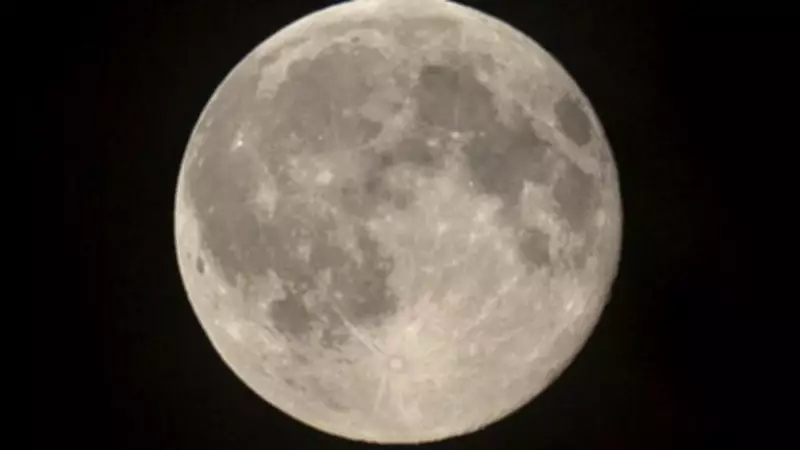
Spot the Snow Moon: February's Full Moon Peaks This Weekend
Skywatchers across the UK have a celestial treat in store this weekend as the Snow Moon, February's full moon, illuminates the night sky. This natural spectacle offers a captivating glimpse into both astronomical phenomena and cultural traditions that date back centuries.
When to Catch the Snow Moon at Its Peak
The Royal Observatory Greenwich confirms that the Snow Moon will reach its fullest point at precisely 10.09pm UK time on Sunday. Even if you miss this exact moment, don't worry – the moon typically appears full to the naked eye for a couple of days surrounding its peak. After this period, it transitions into the Waning Gibbous phase, where the illuminated portion gradually diminishes.
The Origins and Alternative Names of February's Full Moon
According to NASA, the Snow Moon derives its primary name from Native American tribes in northeastern America, who named it for the heavy snowfall characteristic of this time of year. However, this lunar event carries several other evocative titles that reflect the challenges and observations of winter.

- Storm Moon: Another weather-related name, acknowledging the turbulent conditions often experienced in February.
- Hunger Moon: This sombre name originates from the scarcity of food and difficult hunting conditions that tribes faced during this lean month.
These names are part of a broader tradition where each of the 12 or 13 annual full moons received distinct labels, primarily from Native American cultures. These designations were deeply tied to their way of life, seasonal changes, and survival strategies. The lunar cycle served as a crucial method of timekeeping for these tribes, with the names later adopted by Colonial Americans and eventually entering modern popular culture.
How to Best Observe the Snow Moon
Viewing the Snow Moon requires no special equipment – it's perfectly visible to the naked eye. For those seeking a more detailed experience, NASA offers some helpful tips.
Using binoculars will reveal finer lunar features, such as craters and prominent mountain ridges. If you have access to a telescope, you'll be treated to an even more spectacular view, though NASA notes the moon may appear too large to take in all at once. A telescope allows observers to see real mountains, valleys, and rilles – the distinctive cracks in the lunar surface formed by ancient lava flows.
A Guide to the Full Moon Names Throughout the Year
The Snow Moon is just one entry in the rich catalogue of full moon names, predominantly bestowed by Native Americans. The Royal Observatory Greenwich provides this fascinating monthly breakdown.

- January – Wolf Moon: Named for the howling of wolves struggling to find food in the depths of winter.
- February – Snow Moon: As described, for the typically heavy snowfall.
- March – Worm Moon: Marks the appearance of worm trails in the thawing ground as spring approaches.
- April – Pink Moon: Named after an early-blooming species of wildflower.
- May – Flower Moon: Reflects the vast blooming that occurs as spring fully establishes itself.
- June – Strawberry Moon: A North American name acknowledging the strawberry harvest in June.
- July – Buck Moon: A tribute to male deer, which begin to regrow their antlers in July.
- August – Sturgeon Moon: Named for the sturgeon fish, which were once plentiful in August but are now critically endangered.
- September – Full Corn Moon: Associated with crop gathering; its bright, early rise allowed farmers to harvest into the night.
- October – Hunter's Moon: Provides bright, extended light, offering hunters a rare chance to pursue prey at night in newly harvested fields.
- November – Beaver Moon: The origin is debated – some link it to setting beaver traps, others to beavers building winter dams.
- December – Cold Moon: A straightforward name for this winter month, also known as the Long Night Moon or Oak Moon.
The Mystery of the Blue Moon
The phrase "once in a blue moon" has a basis in astronomical reality. A lunar cycle takes about 29.5 days, resulting in roughly 12 full cycles in 354 days – 11 days short of our solar calendar year. Approximately every two and a half years, this discrepancy accumulates, resulting in an extra, 13th full moon within a year, which we call a Blue Moon. The term is also sometimes used for a second full moon occurring within a single calendar month. Unlike the traditional monthly names, the exact origin of the term "Blue Moon" remains something of a delightful mystery.