Guardian Writers Nominate Their Favourite UK Towns for Cultural Recognition
As the search for the UK's inaugural town of culture gains momentum, Guardian writers have put forward their personal nominations for spots that excel in art, architecture, food, festivals, music, and celebrity sightings. From coastal gems to historic villages, these locations showcase the rich tapestry of British cultural life.
Ramsgate, Kent: A Historic Hub with Soul and Salt
Ramsgate in Kent boasts a storied past, having welcomed figures like Caesar and Saint Augustine due to its proximity to France and accessible beaches. This Thanet town has long been a creative hotspot, with artists such as Van Gogh, Turner, and Pugin leaving their mark on its streets. Literary contributions from Anthony Buckeridge and Frank Muir add to its cultural depth, while Sir Moses Montefiore's Georgian Jewish architecture enhances its splendour.
Despite a cultural slowdown in the late 20th century, the introduction of a high-speed rail link in 2008 sparked significant gentrification. Today, Ramsgate features a credible music venue, a renowned record store, unique museums, and vibrant grassroots activities. Its essence lies in a soulful connection to the sea, offering wild skies and profound reflections, though nearby Broadstairs might edge it out with superior rock pools and ice-cream.

Letchmore Heath, Hertfordshire: A Village of Film and Fame
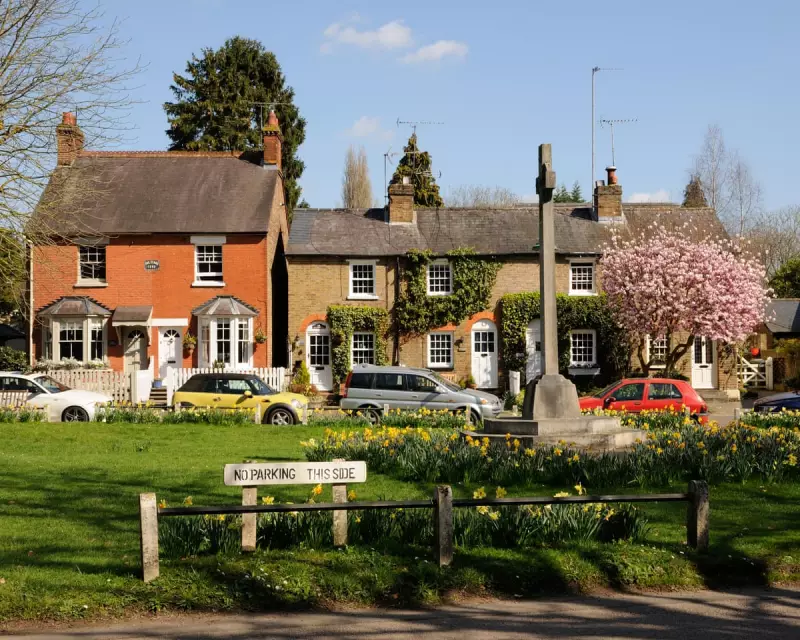
Letchmore Heath in Hertfordshire packs a remarkable cultural punch per square foot. This picturesque village, complete with a pond, pub, and village green for morris dancers, is a favoured location for film and TV shoots near Elstree Studios. It gained notoriety as the setting for the 1960 sci-fi classic Village of the Damned, based on John Wyndham's novel, which imbued its charming sights with an eerie aura.
In 1973, George Harrison purchased the local manor house, renaming it Bhaktivedanta Manor and donating it to the Hare Krishna movement, fostering spiritual calm. A dedicated George Harrison Garden now honours his memory, blending sinister film associations with peaceful enlightenment.
Falmouth, Cornwall: A Creative Coastal Haven
Falmouth in Cornwall stands out as a cultural alternative to overtouristed St Ives. It celebrates the expressive works of 19th-century painter Henry Scott Tuke and hosts the UK's first polytechnic society, still thriving today. The town's heritage includes Cornish wrestling and modern events like worm-charming championships.
Festivals for sea shanties, oysters, beer, and boats abound, alongside the indie music festival Wanderfal. The Cornish Bank venue has revitalised touring circuits and local culture with events like Klub Nos Lowen and queer nights. With anarchic theatre companies, a strong art school, and venues like Beerwolf pub-cum-bookshop, Falmouth offers fertile gardens and enduring nightlife, even attracting sightings of Aphex Twin.
Abergavenny, Monmouthshire: A Border-Town Cultural Fusion
Abergavenny in Monmouthshire blends Welsh border radicalism with valley might. It houses the world's only surviving wooden Jesse figure from the 15th century and a secret 17th-century Catholic chapel. The town educated novelist Raymond Williams and supported Greenham Common peace marches.
Recent cultural explosions include a well-known food festival, Peak Cymru's artist platforms at the train station, and vibrant talks at the Art Shop & Chapel. Independent booksellers Book-ish, writing and arts festivals, and Black Mountain Jazz's improvisation groups enrich the scene. Refurbished venues like the Borough theatre and Melville Centre, plus historic orchestras and brass bands, craft a compelling border-town narrative.
Folkestone, Kent: An Open-Air Art Gallery
Folkestone in Kent is renowned as the UK's largest open-air art gallery, featuring 91 artworks with Channel views. Pieces by Yoko Ono and Christian Boltanski engage with the sea, complemented by the triennial arts festival. Creative Folkestone has secured affordable spaces for creatives, fostering grassroots music through festivals like Compass and venues such as Speedway.
Unlike top-down regeneration schemes, Folkestone weaves art into its fabric, with festivals for documentary film and south-Asian zine culture ensuring creativity is integral to the town's identity.

Portobello, Edinburgh: A Coastal Cultural Hub
Portobello in Edinburgh has evolved from a beach destination to a cultural magnet. Portobello Books hosts events with authors like Ocean Vuong, while the regenerated town hall features programmes including talks with Nicola Sturgeon. The council library shines during the annual book festival, and the Art Walk invites residents to showcase contemporary art in their homes.
Porty Pride grows as a grassroots community festival, and climate action intersects with art and food scenes. Year-round wild swimming by middle-aged women adds a unique cultural layer to this vibrant coastal area.
Halifax, West Yorkshire: The Shoreditch of the North
Halifax in West Yorkshire has transformed from a mill town into a hipster haven, dubbed "the Shoreditch of the north" by BBC Radio 6 Music. The 18th-century Piece Hall now hosts world-class acts like Paul Weller, while Dean Clough complex features a theatre and major art gallery.
The music scene spans from thrash metal to dreamy indie, with venues like The Grayston Unity as grassroots hubs. Victorian architecture and Calder valley landscapes, painted by Turner, serve as TV locations for series like Happy Valley. Even Marvel's Secret Invasion featured the Piece Hall, albeit fictionally, highlighting Halifax's broad cultural appeal.