BBC Confronts Diversity Challenges in Major Broadcasting Report
The BBC has received significant guidance to move away from what has been described as 'clunky' and 'tokenistic' colourblind casting practices, according to a comprehensive new report. The 80-page document, commissioned by the broadcaster and led by former Bafta chair Anne Morrison and ex-Ofcom executive Chris Banatvala, cautions that poorly executed diversity initiatives can cause more harm than good.
Report Findings and Industry Response
The extensive research, which collated data from a survey of 4,518 UK adults, interviews with 100 BBC employees and observers, and analysis of BBC content over a year-long period up to March 2024, raised concerns about ethnic diversity appearing 'forced and tick-box'. It particularly highlighted worries regarding the 'erasure of history' through anachronistic casting of people of colour in high-society positions within period dramas.
Kate Philips, the BBC's chief content officer, responded to the findings by reiterating the network's commitment to 'going further to meaningfully reflect the lives of the audiences we serve'. She emphasised the importance of making 'everybody feel a part of Britain', acknowledging that resistance exists but must be addressed with clarity and purpose.

Expert Perspectives on Representation
Elaine Cunningham Walker, an Education and Cultural Strategist, welcomed the report as initiating a 'very necessary conversation'. She told Metro: 'We all say representation matters, but I also feel that the report reflects what creatives are feeling, and that inclusion only works when it's intentional. It shouldn't feel rushed in any way. It shouldn't feel performative in any way.'
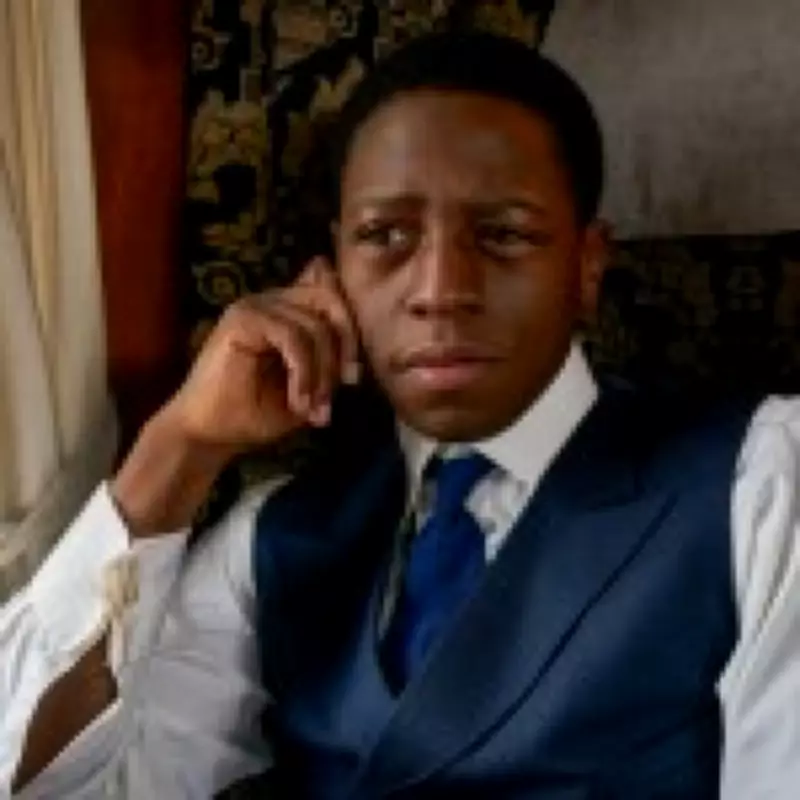
The report specifically pointed to audience complaints about mixed-race actor Nathaniel Curtis' portrayal of Isaac Newton in Doctor Who and David Jonsson's role in Agatha Christie's Murder Is Easy, which featured an anti-colonial storyline. However, it noted that in the context of Doctor Who's time-travelling narrative, a mixed-race Isaac Newton 'seems much less of a stretch'.
Casting Director's Insight
Paushali Banik, a casting associate with extensive experience on projects including Silent Witness, The Long Shadow and Practical Magic, offered nuanced perspective on the issue. She explained that in casting rooms, the primary focus remains finding 'actors that are great for that role, whether they are people of colour or not'.
Regarding period dramas, Banik noted: 'If we are casting actors of colour, then it needs to be quite nuanced. It needs to be right. Colour-blind casting really did open up the world, but I think it just needs to be looked into.'
She highlighted particular challenges when characters of colour aren't originally written into shows, creating situations where 'the writers and the researchers [are] trying to fit it in'. Banik recalled instances where this responsibility unfairly fell to actors on set, effectively making them 'part of the research team'.
Balancing Progress with Authenticity
While supporting the report's recommendations, Banik expressed concern that criticism shouldn't lead to reduced opportunities. 'I don't want the idea of preachy storylines or tokenistic characters to take away the opportunities for people of colour. I don't want that representation to go away,' she stated.
She pointed to successful examples like Bridgerton, which 'definitely opened the doors to so many more actors who never really had the chance or felt that they could be seen'. Banik observed increased confidence among actors of South Asian descent and other people of colour, who now approach roles without being limited to stereotypical portrayals.
Moving Forward with Purpose
Both Banik and Walker emphasised that people of colour have always had a place in history, arguing for more culturally specific stories rather than simply 'trying to add it in as a storyline'. Walker added: 'Historically, we've only focused on the struggle of marginalised people, but actually, there were many successes as well.'

The report recommends that the BBC invest in comprehensive research teams and evaluate each production on a case-by-case basis. Banik suggested that successful approaches include 'characters like Nathaniel Curtis as Isaac Newton in stories like Doctor Who. That's something that we need to do more of.'
BBC chair Samir Shah has stated the corporation remains dedicated to 'authentically reflecting the lives of all the communities, classes, and cultures across the UK'. How this commitment translates into practical programming decisions and casting approaches will determine the future of representation in British broadcasting.