BBC's Proposed Freeview Shutdown Poses Grave Risk to Universal Television Access
The BBC's plan to switch off digital terrestrial television, commonly known as Freeview, by 2034 represents a direct threat to the corporation's founding principle of universal service, according to industry experts. This controversial move would fundamentally alter how millions of households access television content across the United Kingdom.
Director General's Warning Echoes Through Broadcasting Circles
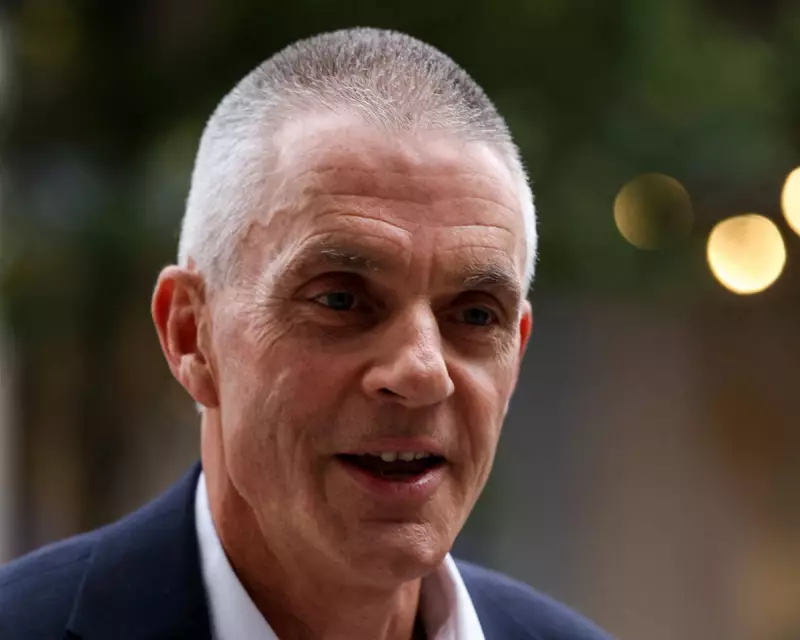
Outgoing BBC Director General Tim Davie has previously cautioned that transitioning to a subscription model would mean the BBC is "no longer a universal service". His warning takes on new urgency as the corporation itself advances proposals that could undermine this very universality within the next charter period. The tension between technological advancement and public service obligation has never been more pronounced.
The Financial Barrier to Television Access
If implemented, the Freeview shutdown would compel all UK households to obtain high-speed broadband subscriptions to continue accessing BBC services. For the first time in British broadcasting history, viewers would need a paid subscription to watch what has traditionally been free-to-air television. Conservative estimates place the annual entry cost at over £500, combining the television licence fee with a decent broadband package.

By 2034, this combined expense is projected to increase significantly, creating a substantial financial barrier that would disproportionately affect society's most vulnerable members.
Disproportionate Impact on Vulnerable Communities
The proposed transition would hit hardest those least able to adapt:
- Low-income households struggling with essential living costs
- Elderly citizens who may lack digital literacy or resources
- Rural communities with limited broadband infrastructure
- Fixed-income families facing budget constraints
Hundreds of thousands of vulnerable households risk losing television access entirely, effectively ending the BBC's era of universal service that has defined British broadcasting for generations.
Avoidable Consequences and Practical Alternatives
Critics argue the BBC is attempting to make this challenge someone else's problem, suggesting impacted households might qualify for "a new public subsidy yet to be invented, let alone funded". This approach has been characterised as wishful thinking that fails to address the practical realities facing vulnerable viewers.
The alternative solution is straightforward: maintain Freeview infrastructure into the 2040s. This approach would:
- Preserve universal access to BBC services
- Require no additional public funding
- Eliminate risk for households dependent on terrestrial television
- Cost only 1-2% of BBC revenue
The Societal Choice Ahead
As Tim Davie correctly observes, preserving BBC universality represents a fundamental societal choice about the kind of public broadcasting we value. This decision should not be prejudged by what critics describe as an "ill-considered and premature" Freeview switch-off.
The debate raises crucial questions about technological progress, social inclusion, and the future of public service broadcasting in an increasingly digital age. With the next charter period approaching, these discussions will shape British media landscape for decades to come.