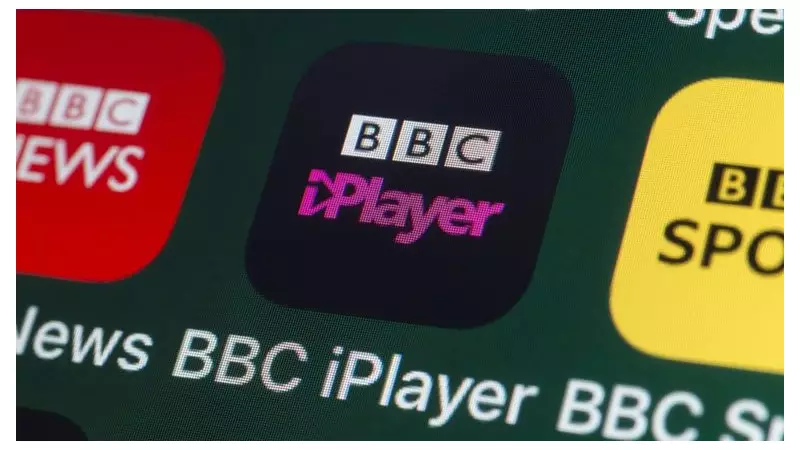
BBC to Use iPlayer Data in Crackdown on Licence Fee Evasion
The BBC is developing new methods to utilise its iPlayer streaming service to identify households that are not paying the mandatory TV licence fee. This initiative marks a significant shift in enforcement strategy, as online BBC accounts could be linked with home addresses for the first time to pinpoint evaders more effectively.
Address Linking to Enhance Detection Efforts
According to insights from the Money blog, the corporation is actively working on ways to harness iPlayer data to locate non-paying households. A TV Licensing spokesperson confirmed to Money that they are continually exploring improvements to licence fee collection, including analysing available data to gain a deeper understanding of viewing habits and BBC service usage.
This move comes as the BBC faces substantial financial losses from evasion, with around £550 million thought to have been lost in the 2024-25 financial year despite collecting £3.8 billion from over 23 million TV licence sales.

Legal Requirements and Potential Penalties
Under current regulations, any household in the UK that watches or records live television on any channel or uses BBC iPlayer must possess a valid TV licence, which costs £174.50 annually. The BBC has a statutory duty to collect this fee and typically sends targeted letters or emails to those it suspects of non-payment.
Failure to pay the licence fee can result in a fine of up to £1,000, highlighting the serious consequences of evasion. The BBC's new approach aims to reduce this evasion by leveraging digital footprints from iPlayer usage.
Concessions and Exemptions Available
It is important to note that certain groups are eligible for concessions or exemptions from the TV licence fee. These include individuals aged 75 or older who receive Pension Credit, blind people, residents in qualifying residential care who are disabled or over 60, and businesses that provide overnight accommodation.
The BBC's enhanced detection methods are designed to focus on those who do not qualify for these concessions but are still evading payment, ensuring a fairer system for all licence fee payers.
Implications for Viewers and the BBC's Future
This development could have wide-ranging implications for how the BBC monitors compliance and enforces licence fee payments in the digital age. By linking online accounts with physical addresses, the corporation hopes to close loopholes that have allowed evasion to persist, thereby securing vital funding for its public service broadcasting remit.
As technology evolves, such data-driven approaches may become more common in regulatory enforcement, balancing privacy concerns with the need to uphold legal obligations. The BBC's efforts reflect a broader trend towards using digital tools to address traditional challenges in media funding and compliance.