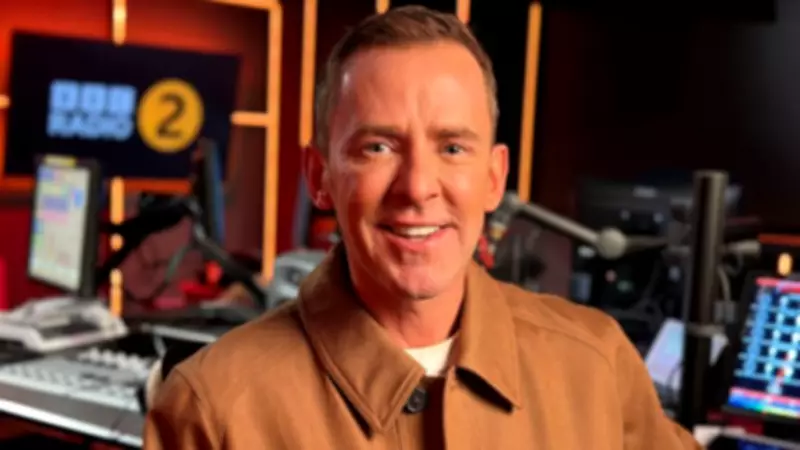
BBC Dismisses Radio 2 DJ Scott Mills Amid Personal Conduct Investigation
The British Broadcasting Corporation has officially severed ties with prominent Radio 2 presenter Scott Mills, confirming his departure following allegations concerning his personal conduct. The 53-year-old disc jockey, originally from Southampton, had his contract terminated over the weekend after the BBC conducted an internal assessment of the claims.
Sudden Removal from Airwaves Precedes Contract Termination
Mills was abruptly taken off air during his regular Radio 2 broadcast last Tuesday, as corporation executives initiated a formal review process regarding the unspecified allegations. The BBC maintained radio silence during the investigation period before ultimately deciding to end Mills' employment with the national broadcaster.
A terse statement from the BBC to its news division confirmed the development: "While we do not comment on matters relating to individuals, we can confirm Scott Mills is no longer contracted and has left the BBC." The corporation's carefully worded announcement deliberately avoided detailing the nature of the personal conduct allegations that prompted the disciplinary action.

Rapid Ascent and Unexpected Departure
The dismissal marks a dramatic reversal for Mills, who had recently achieved one of British radio's most coveted positions. Just last year, he assumed control of the prestigious Radio 2 breakfast show, taking over from predecessor Zoe Ball in what many industry observers considered a career-defining promotion.
His sudden departure from the BBC creates immediate programming challenges for Radio 2, which must now fill the significant gap in its weekday schedule. The station's management faces the dual task of maintaining audience loyalty while addressing the circumstances surrounding Mills' exit.
Broader Implications for BBC Standards
This incident highlights the BBC's ongoing commitment to enforcing strict professional standards among its high-profile presenters. The corporation has faced increased scrutiny in recent years regarding workplace conduct and has demonstrated willingness to take decisive action when allegations surface, regardless of a presenter's popularity or seniority.
The termination underscores the precarious nature of broadcasting careers, where personal conduct off-air can directly impact professional standing. Industry analysts note that the BBC's response reflects broader cultural shifts within media organizations regarding accountability and workplace behavior standards.
As the story develops, additional details regarding the specific allegations and potential next steps for both Mills and Radio 2 programming are expected to emerge. The BBC has not indicated whether Mills' departure will trigger any broader review of presenter conduct policies or whether temporary replacements have been identified for his former time slot.