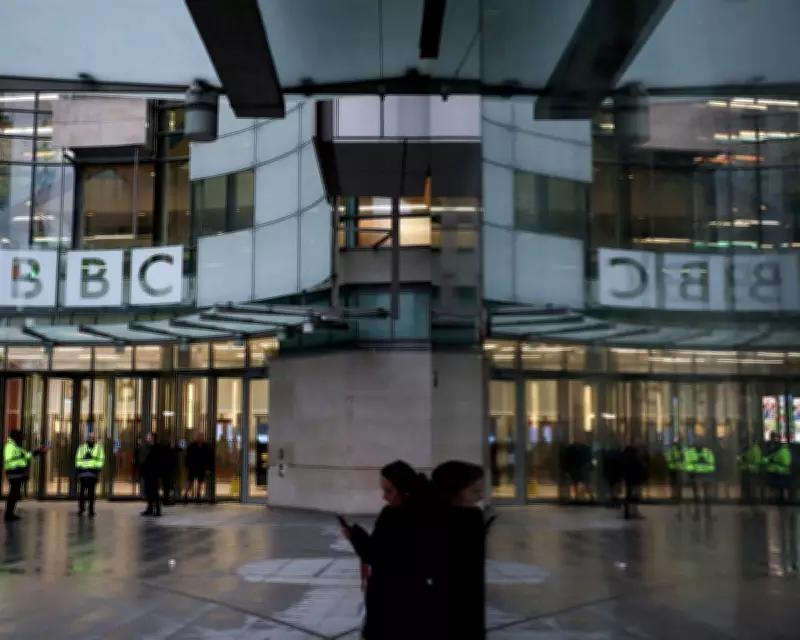
BBC Proposes Sweeping Reforms to Safeguard Independence and Future
The BBC is set to advocate for significant structural changes aimed at protecting its editorial independence and ensuring long-term stability. Central to these proposals is a call for the corporation's royal charter to be made permanent, eliminating the need for renegotiation every decade. This move seeks to address what insiders describe as a recurring existential threat posed by periodic negotiations with government ministers.
Ending Political Influence on the Board
As part of its official response to ongoing charter renewal talks, the BBC will demand an end to political appointments to its board. This initiative follows internal concerns that political pressure contributed to the resignations of key figures, including Director General Tim Davie and BBC News head Deborah Turness in November last year. The corporation aims to dispel perceptions of interference, which have been fueled by controversies such as calls for board member Robbie Gibb's removal over alleged coup attempts.
BBC Chair Samir Shah has dismissed claims of a rightwing coup, but the broadcaster acknowledges that audience perceptions are critical. A source highlighted findings from a major engagement exercise, where licence-fee payers emphasized the non-negotiable nature of the BBC's independence. The proposals stress the need to reassert editorial, creative, and operational autonomy while modernizing and involving the public more deeply in decision-making processes.

Addressing Funding and Media Challenges
The BBC faces mounting hostility from political detractors and commercial rivals, compounded by a rapidly evolving media landscape. With the current charter expiring in 2027, the corporation is grappling with issues such as increasing non-payment of the licence fee and erosion of its funding base. Significant cuts have already been announced, and executives are exploring radical ideas to justify the universal funding model amidst competition from streaming giants like Netflix and digital platforms such as YouTube.
While opposing a shift to ad-funded or subscription-based systems, the BBC recognizes the necessity of innovative approaches to sustain public service broadcasting. The concept of a permanent charter, previously advocated by former BBC News chief James Harding, is seen as a way to secure the broadcaster's future, especially with potential political shifts like Nigel Farage's Reform party entering government. Insiders argue that a permanent charter would mirror institutions like the Bank of England, providing stability without questioning the BBC's existence.
Leadership and Implementation
These proposals are being advanced as the BBC searches for a new leader to replace Tim Davie, with former Google executive Matt Brittin emerging as a frontrunner. The broadcaster's push for reforms underscores its commitment to maintaining trust and relevance in a dynamic media environment, ensuring it remains a universally supported and unifying force for years to come.