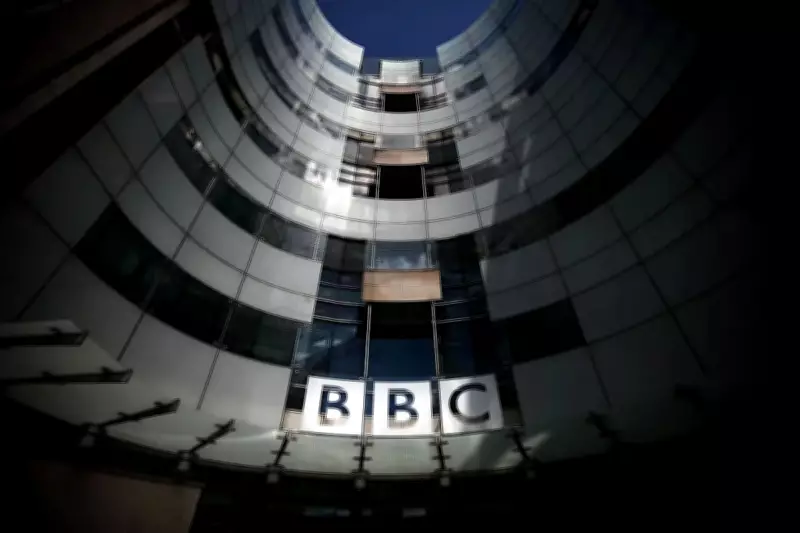
The BBC television licence fee is set to rise to £180 per year, the government has officially confirmed. Households across the United Kingdom will see their annual bills increase by £5.50 from the beginning of April.
Government Confirms Annual Increase
The Department for Culture, Media and Sport announced the adjustment on Friday, stating the new rate of £180 will take effect from 1 April 2026. This increase follows the rules established under the 2022 Licence Fee Settlement, which mandated that the fee would track headline inflation until the current BBC Charter Period concludes at the end of 2027.
Ministers have argued that this modest rise is necessary to provide a more stable financial foundation for the Corporation. This stability is seen as crucial for enabling the BBC to continue fulfilling its extensive public service obligations across broadcasting, news, and original content production.

Understanding the TV Licence
The UK TV licence is a legal requirement for any household or individual wishing to watch or record live television programmes on any device, including televisions, computers, tablets, or mobile phones. It must be held by anyone watching or recording broadcast TV as it is being transmitted.
Despite a continuing decline in the number of households paying the fee, the levy generated approximately £3.8 billion in revenue last year. The BBC is estimated to generate around £5 billion annually overall, employing more than 20,000 people and serving as the UK's single largest investor in domestically produced content.
Broader Context and Charter Review
This fee adjustment occurs against the backdrop of a formal review of the BBC's Royal Charter, initiated by Culture Secretary Lisa Nandy in December. The review marks the beginning of a broad consultation process examining public trust and the long-term funding model for the 104-year-old institution.
The charter review has unfolded amid significant political pressure on the broadcaster. This pressure intensified following legal action launched by former US President Donald Trump over alleged misleading edits to coverage ahead of the 2024 election. The controversy triggered the resignations of Director General Tim Davie and news chief Deborah Turness.
While the Corporation has issued an apology to Trump, it refused compensation demands, leading to the former President filing a $10 billion lawsuit in Florida. These events have contributed to a challenging environment for the BBC as it navigates its future funding and governance.
Government Statement and Support Measures
In a statement, the DCMS said: "The Government recognises the financial pressures on households and is committed to ensuring the BBC's funding model is sustainable, fair and affordable."
The statement continued: "The Government has committed to the licence fee for the remainder of this charter period. To support the public with the cost of the TV licence, we will also continue to support the simple payment plan to spread payments through smaller instalments."
It is important to note that the licence remains free for over-75s who receive Pension Credit, maintaining this crucial support for older citizens on low incomes.
The confirmed increase represents a balancing act between sustaining the BBC's vital services and acknowledging household budget constraints, setting the stage for further debate as the charter review progresses.