BBC's Tightrope Walk: Avoiding Political Controversy at Baftas
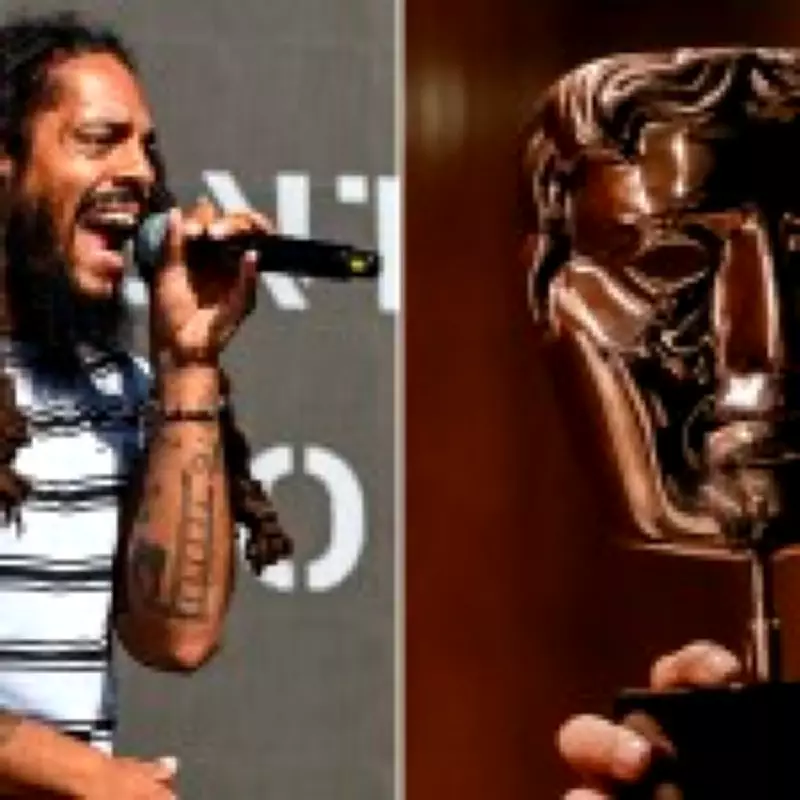
The British Broadcasting Corporation is implementing heightened vigilance for politically-charged content during this year's Bafta Film Awards broadcast, according to multiple industry sources. This cautious approach stems directly from last summer's Glastonbury Festival controversy, where the BBC faced significant backlash for livestreaming musical duo Bob Vylan's performance that included chants of 'Death to the IDF.'
Learning from Past Controversies
Former BBC director-general Tim Davie publicly acknowledged that the Bob Vylan performance had been identified as 'high risk' prior to broadcast, yet the decision to air it resulted in weeks of intense public debate and criticism. Now, with Hollywood's elite descending upon London for Britain's premier film awards ceremony, BBC executives and their production partners at Penny Lane Entertainment are determined to prevent similar controversies.
'They can't have another Glastonbury – that's the thing they keep talking about,' revealed a source close to the preparations to entertainment publication Deadline. This sentiment reflects the corporation's heightened sensitivity following multiple high-profile incidents involving political content in award ceremonies.

The Editing Dilemma
Unlike the live broadcast of Glastonbury, the Baftas ceremony undergoes significant editing before transmission. The three-hour event is typically condensed into a two-hour television broadcast, with certain categories and acceptance speeches trimmed for timing purposes. However, this editing process itself has previously created problems for the broadcaster.
In 2023, the BBC faced substantial criticism when Derry Girls actress Siobhan McSweeney's Bafta TV Awards speech was edited to remove her criticism of the UK government. The decision sparked accusations of censorship and political interference, demonstrating that even pre-recorded broadcasts carry significant risk.
Expert Perspectives on the Broadcasting Challenge
PR and entertainment expert Lynn Carratt, founder of E20 Communications, explained the broadcaster's predicament: 'From a PR perspective, the BBC is in an almost impossible position. On one hand, it wants to give talent creative freedom and authenticity; on the other, it is a public broadcaster with regulatory obligations and a reputation to protect.'
Carratt noted that while political moments at award ceremonies are not new, 'these moments feel bigger and more intense today.' She emphasized that 'ever since the fallout from Bob Vylan at the Glastonbury Festival, broadcasters have realized that one unscripted moment can dominate headlines for days.'
The Anti-Trump Concern
Additional sources have expressed particular nervousness about potential anti-Trump sentiment during the ceremony. This concern follows last year's decision to cut a Donald Trump joke made by Bafta host David Tennant from the broadcast. Despite these anxieties, one industry insider maintained that 'we are mindful [of controversy], but this stuff is our bread and butter,' suggesting that managing such content remains central to their work.
The BBC's Official Position
In an official statement, a BBC spokesperson outlined the corporation's approach: 'As is always the case, the show's content must be appropriate for the slot and in line with BBC editorial guidelines, as well as Ofcom-compliant. The ceremony itself is far longer than the two-hour broadcast, and while we always aim to keep the core sentiment of acceptance speeches, edits are made due to time constraints.'
Balancing Creative Expression with Editorial Control
Lynn Carratt suggested that 'the safest strategy is balance: clear editorial guidelines combined with respect for creative expression.' She emphasized that 'audiences don't tune into the BAFTAs for damage control; they tune in for memorable moments. The challenge is making sure those moments are talked about for the right reasons.'
Crisis PR expert Lauren Beeching pointed out the limitations of editing as a risk management tool: 'If something controversial is said, it can still be filmed, shared, or reported in real time. The BBC can manage what goes out on its channel, but it cannot fully control how the moment travels.'

The Censorship Risk
Carratt warned that excessive editing could prove counterproductive: 'Over-policing speeches can backfire just as badly as letting controversy unfold. If viewers think edits are being made for political reasons, it risks accusations of censorship.'
Lauren Beeching added insight into the pressure facing celebrities and presenters: 'From my experience, my clients and others in the industry are often under significant pressure to speak up on political issues, especially at high-profile events. There can be an expectation that silence equals complicity. But those decisions always come with risk, commercially and reputationally, and they are rarely taken lightly.'
The Bafta Film Awards 2026 will air on BBC One at 7pm on Sunday, February 22, presenting the broadcaster with another high-stakes test of its ability to navigate the complex intersection of entertainment, politics, and public broadcasting responsibilities.