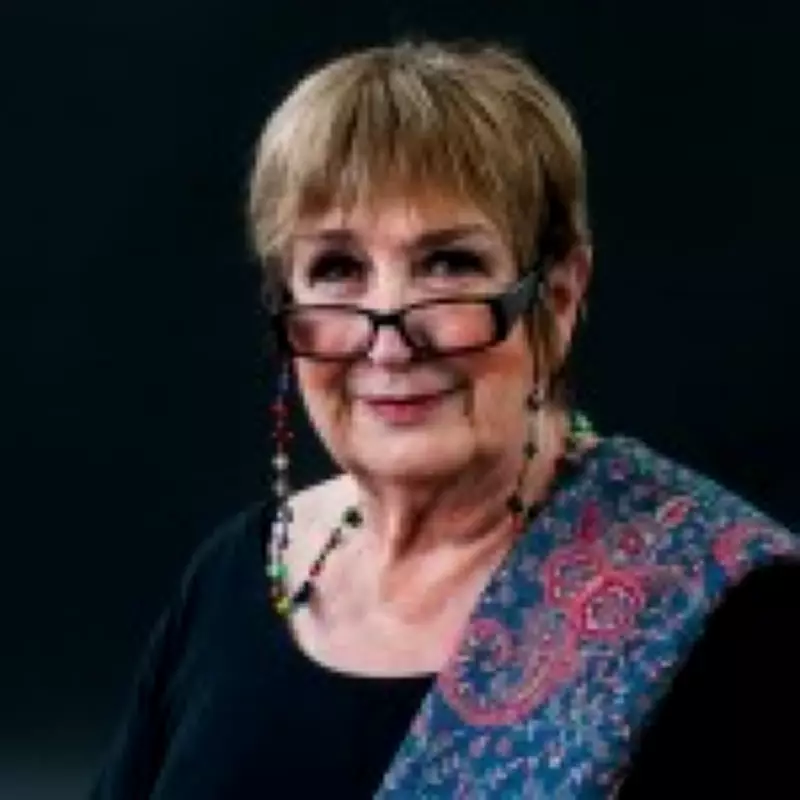
Dame Jenni Murray, Longest-Serving BBC Woman's Hour Presenter, Dies at 75
The broadcasting world is mourning the loss of Dame Jenni Murray, who has died at the age of 75. As the longest-serving presenter of BBC Radio 4's iconic Woman's Hour programme, she hosted the show from 1987 until her final broadcast in October 2020, spanning an impressive 33 years on air.
A Distinguished Broadcasting Career
Born in Barnsley, Dame Jenni began her radio career at BBC Radio Bristol in 1973 before transitioning to television as a regional news reporter for South Today. Her versatility shone through as she later served as a newsreader and presenter on BBC Two's Newsnight for two years before finding her true home at Radio 4.
In 1987, she took over the Woman's Hour reins from Sue MacGregor, steering the programme that explores topics relevant to female audiences through decades of social change. Throughout her tenure, she conducted interviews with some of the most influential women of our time, including Hollywood legend Bette Davis, former US Secretary of State Hillary Clinton, and Britain's first female Prime Minister Margaret Thatcher.

Beyond the Microphone
Dame Jenni's contributions extended far beyond her broadcasting work. She authored several books, beginning with "Woman's Hour: 50 Years of British Women" in 1996 and concluding with "Fat Cow, Fat Chance: The Science and Psychology of Size" in 2020. Her writing reflected the same thoughtful engagement with women's issues that characterised her radio work.
In her personal life, she was married twice - first to Brian Murray at age 21, a marriage that lasted six years, and later to David Forgham, with whom she had two grown-up sons. In December 2006, she shared with listeners that she had been diagnosed with breast cancer, demonstrating the same openness that made her broadcasting so relatable to millions.
A Lasting Legacy
Dame Jenni Murray's voice became synonymous with intelligent, thoughtful discussion of women's issues in Britain. Her 33-year tenure on Woman's Hour represents one of the longest continuous presenting roles in British broadcasting history. She guided the programme through significant social changes while maintaining its relevance to generations of listeners.
The broadcasting community and her many listeners will remember her as a pioneering voice who brought important conversations about women's lives into homes across the nation every weekday. Her contribution to British media and public discourse leaves an enduring legacy that will continue to influence broadcasting for years to come.