EastEnders Has Lost Its Gritty Roots, Becoming a Cartoonish Parody of Itself
EastEnders, the long-running BBC soap opera, has transformed from a meticulously observed drama into a caricature of its former self, abandoning the authentic East End roots that once made it compelling television. What began as a groundbreaking exploration of working-class life in London's East End has devolved into a series of cartoonish capers that resemble a Carry On film more than serious social commentary.
The Glory Days of Authentic Storytelling
During its peak in the 1990s, EastEnders delivered powerful, character-driven narratives that resonated with millions of viewers. The show featured iconic families like the Mitchells, with Phil's complicated relationship with his brother Grant's wife Sharon creating genuine dramatic tension. Characters like Nigel Bates provided moral anchors, while the formidable trio of Pauline Fowler, Pat Butcher, and Peggy Mitchell represented strong, complex female characters navigating life's challenges.
The show tackled substantial social issues with nuance and care. When Tiffany Mitchell struggled with paternity questions and relationship turmoil, viewers engaged with genuine moral dilemmas. The storyline involving Lorraine's son Joe being sectioned introduced millions to discussions about schizophrenia through authentic medical explanations. These narratives reflected real-life concerns while maintaining dramatic integrity.

The Shift Toward Absurdity
Over recent years, EastEnders has undergone a troubling transformation. The once carefully paced social commentary has been replaced by increasingly implausible plotlines that strain credibility. Characters now routinely wave firearms around Albert Square with alarming frequency, turning what was once a grounded drama into something resembling a parody of crime thrillers.
Perhaps most emblematic of this decline is the soap's obsession with character resurrections. While fake deaths occur in only several hundred cases annually worldwide, EastEnders has made miraculous returns a regular occurrence. Dirty Den's 2004 resurrection ended with his prompt murder, while Kathy Beale's 2015 return required convoluted explanations for her off-screen death. The 2023 reappearance of Cindy Beale, supposedly dead for 25 years, pushed absurdity to new heights.
Lost Authenticity and Social Relevance
When creators Tony Holland and Julia Smith launched EastEnders in 1985, they aimed to create something authentic that reflected the lives of working-class East End residents. The show succeeded by exploring adult dilemmas including relationship dynamics, financial struggles, ethnic diversity, mental health challenges, family secrets, and sexual orientation. These themes allowed viewers to engage meaningfully with the material and form their own opinions.
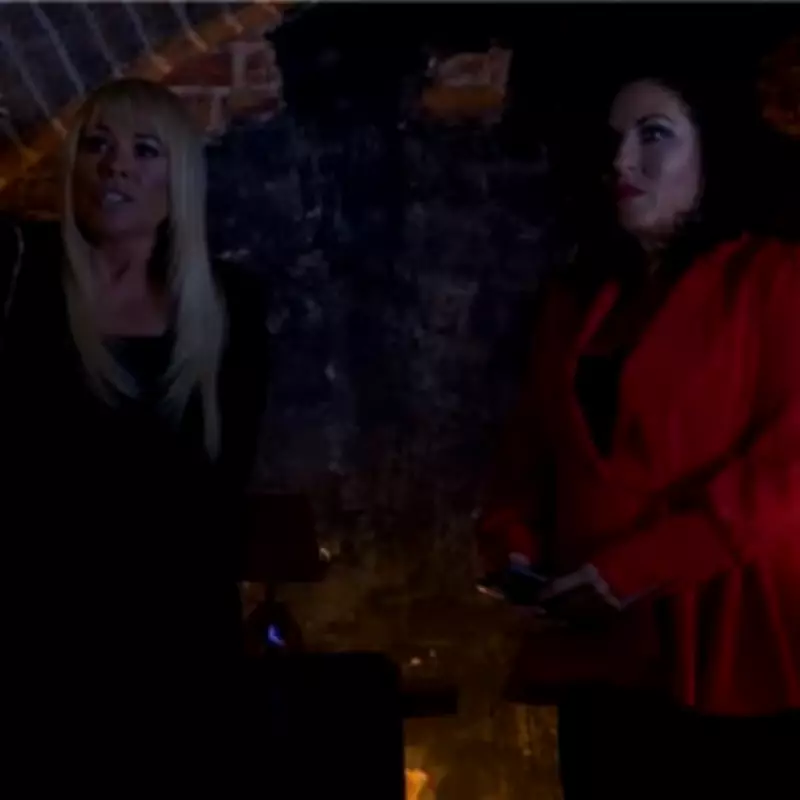
Contemporary EastEnders has largely abandoned this thoughtful approach. The perpetual nighttime atmosphere of Albert Square creates an artificial gloom that distances the show from the vibrant community it once depicted. Instead of exploring the nuanced realities of East End life, the soap now relies on sensationalist plots that prioritize shock value over substance.
The Path Forward: Returning to Roots
For EastEnders to reclaim its former relevance, producers must reconsider their approach to storytelling. The show's strength has always been its connection to authentic working-class experiences and its willingness to tackle difficult social issues with sensitivity. Rather than chasing increasingly absurd plot twists, the series should refocus on character development and realistic narratives that reflect contemporary East End life.
The success of earlier eras demonstrates that audiences respond to well-crafted stories about relatable characters facing genuine challenges. By returning to the careful pacing and social commentary that defined its golden age, EastEnders could once again become the culturally significant drama it was meant to be, rather than the cartoonish parody it has become.