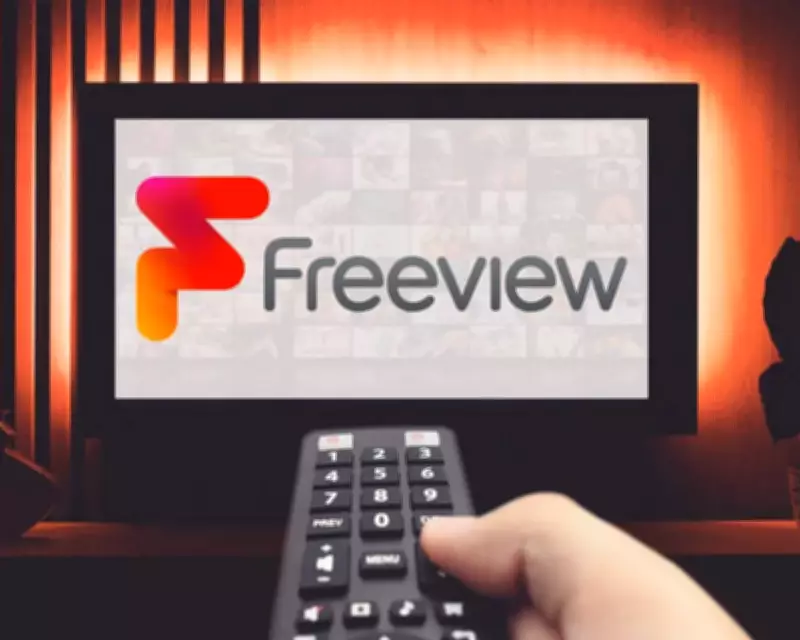
The landscape of British television is undergoing a seismic shift, with Freeview, once a cornerstone of free-to-air broadcasting, facing an existential crisis. In 2012, nearly 12 million households relied on Freeview for their TV viewing, but today, that number has plummeted dramatically to just 2 million. This stark decline highlights the rapid transformation in how audiences consume content, driven by the proliferation of smart TVs, superfast broadband, and the dominance of streaming services like Netflix.
The Rise and Fall of Freeview
For almost a quarter of a century, Freeview has provided UK viewers with access to major broadcasters such as the BBC, ITV, Channel 4, and Channel 5 at no cost, using a simple aerial setup. Despite still being the largest TV platform in the UK, with over 16 million homes and 10 million main sets utilizing it, its relevance is waning. The broadcasters themselves are now advocating for its shutdown as early as 2034, citing unsustainable audience numbers and rising distribution costs.
Viewing Habits and the Streaming Revolution
A paradigm shift in consumer behaviour is at the heart of Freeview's decline. More people are turning to internet-based TV, bypassing traditional aerial services. This trend is accelerated by the convenience of streaming apps and the growing availability of broadband. However, this transition is not without its critics. Campaigners argue that millions, particularly older or disabled individuals, still depend on Freeview and risk being left behind in a digital divide.

Lynette, an 80-year-old from Kent, exemplifies this concern. She finds Freeview "essential" and dislikes the complexity of streaming services, stating, "I don't want to be choosing apps and making new accounts. It is time-consuming and irritating." Her views are echoed by nearly 100,000 signatories to a "save Freeview" petition, highlighting fears over accessibility and affordability for vulnerable groups.
Government and Regulatory Stances
The Department for Culture, Media and Sport (DCMS) is poised to deliver a verdict on Freeview's future, considering options from Ofcom, the media regulator. These include upgrading the ageing technology, maintaining a minimal service, or phasing it out in the 2030s. Public service broadcasters favour the latter, with 2034 targeted as a logical endpoint due to contract renewals with network operator Arqiva.
Ofcom's reports indicate a "tipping point" where digital terrestrial television (DTT) becomes commercially unviable. By 2035, estimates suggest 1.8 million homes could still rely on Freeview, with many of these households more likely to be older, disabled, or located in regions like Northern England, Wales, Scotland, and Northern Ireland.
Challenges and Controversies
The debate over Freeview's shutdown is highly divisive. Concerns have been raised about the reliability of internet-based TV for emergency broadcasts, such as those during the Covid pandemic, compared to the universal reach of DTT. Additionally, the radio industry warns that shifting to internet-only TV could increase distribution costs, potentially forcing some stations to close.
Dennis Reed, founder of Silver Voices, describes the issue as a "political hot potato," accusing stakeholder forums of bias towards streaming. In contrast, the Future TV Taskforce, representing broadcasters, argues that transitioning to internet TV by the mid-2030s could "close the digital divide once and for all," with proper planning to ensure no viewer is left behind.
Historical Precedents and Future Projections
The digital switch-over of 2012, which ended analogue TV after 76 years, offers lessons. Fears of a "TV blackout chaos" were mitigated by a help scheme, including ads featuring a robot voiced by Matt Lucas, leading to a smooth transition. However, BBC director general Tim Davie has stated the corporation should not fund a similar scheme for Freeview's demise.
New research for Sky suggests that with awareness campaigns and digital inclusion efforts, only 330,000 households might need assistance by 2034. Meanwhile, trends show 7% of UK homes no longer own a TV, opting for devices like smartphones and tablets for viewing.

The Broader Impact on Broadcasting
If Freeview is phased out, the victory for public service broadcasters might be pyrrhic. Silicon Valley giants like YouTube are already gaining ground; in December, YouTube viewership in the UK surpassed the BBC's combined channels for the first time. This shift poses challenges for audience measurement, as YouTube has restricted access to viewership data, complicating insights into viewing trends.
As one TV industry executive noted, "There already is such an outsider ready to be the winner in the transition to internet TV; it is YouTube." This underscores the competitive pressures facing traditional broadcasters in an increasingly digital age.
Ultimately, the fate of Freeview hinges on balancing technological progress with social inclusion, ensuring that the move to internet-based TV does not disenfranchise those who rely on free, accessible broadcasting.