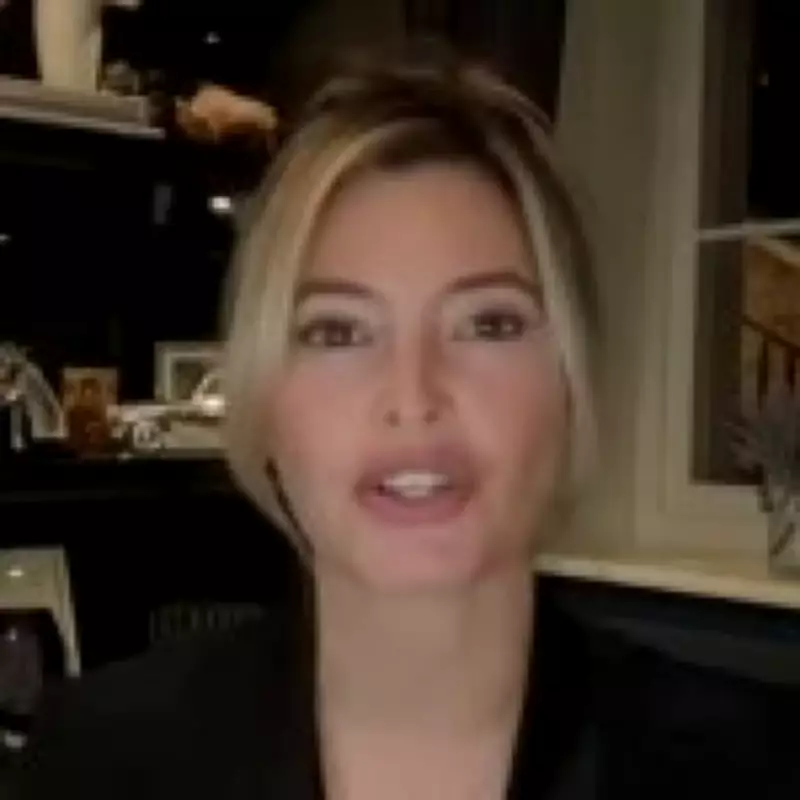
Former pop sensation Holly Valance found herself abruptly interrupted during a live television appearance this week, when a GB News presenter stepped in after she used language widely considered offensive to disabled people. The incident occurred during what was meant to be a promotional interview for her latest musical release.
Controversial Interview Moment
The 42-year-old Australian singer, best known for her early 2000s hit "Kiss Kiss," was participating remotely in a discussion on the channel's Free Speech Nation programme. Valance had dialled in to speak with presenter Josh Howie about her provocative new track, which had briefly been removed from Apple Music due to its explicit content before being reinstated.
Her song, titled Kiss Kiss (XX) My Arse, which recently topped the Australian iTunes charts, contains lyrics that directly critique what she perceives as "woke" ideology. The track opens with the line "You will respect my pronouns" before launching into broader social commentary.

The Offensive Remark
During the conversation, which turned to pandemic-era policies, Valance made a comparison using terminology that many consider an ableist slur. "During Covid was the big tester to see – like the r***** meter – and Australia was quite high on that," she stated during the broadcast. "And that was quite shocking for me."
Howie immediately interjected, addressing viewers directly: "Sorry for using that word, but that's okay, but... You used that word. But, yeah, I think some people, unfortunately, might be offended."
Valance appeared unapologetic in her response, questioning the programme's commitment to its own free speech ethos: "Hey, are we not Free Speech Nation over here? Where am I?"
The presenter conceded her point while maintaining boundaries: "You're right, you've got me there. We are Free Speech Nation, apart from that one word."
Public Reaction and Channel History
Following the broadcast, social media users expressed their disapproval of Valance's language choice. One commenter noted: "Hate the word it's offensive and no need to say it," while another added: "There is no need to use the word."
This incident adds to GB News's growing catalogue of controversial moments. The channel, which has positioned itself as a platform for conservative viewpoints, has previously faced significant scrutiny from media regulators.
Regulatory Context
Ofcom, the UK's communications regulator, recently concluded a six-month investigation into the network. The probe found that the broadcasting code had been breached during an episode of the now-cancelled Headliners programme last January.
Interestingly, that violation involved the same presenter, Josh Howie, who made comments that appeared to link the LGBTQ+ community with paedophilia. Ofcom determined that these remarks "clearly had the potential to be highly offensive" as they "appeared to conflate or associate some sexualities and/or gender identities with paedophilia."
The regulator noted this was particularly concerning given how established this association is as "a prejudicial trope against homosexual people." However, no formal sanction was imposed after GB News broadcast an apology and dedicated an episode of Free Speech Nation to Howie's attempted explanation of his comments.
Broader Implications
This latest incident raises questions about:
- The boundaries of free speech in broadcast media
- Presenter responsibilities in managing live discussions
- The ongoing tension between provocative commentary and offensive language
- Media accountability in the current broadcasting landscape
The exchange highlights the delicate balance broadcasters must maintain between allowing open discussion and preventing the dissemination of harmful language. As media platforms continue to navigate these complex issues, incidents like this demonstrate the ongoing challenges in defining acceptable discourse in contemporary broadcasting.