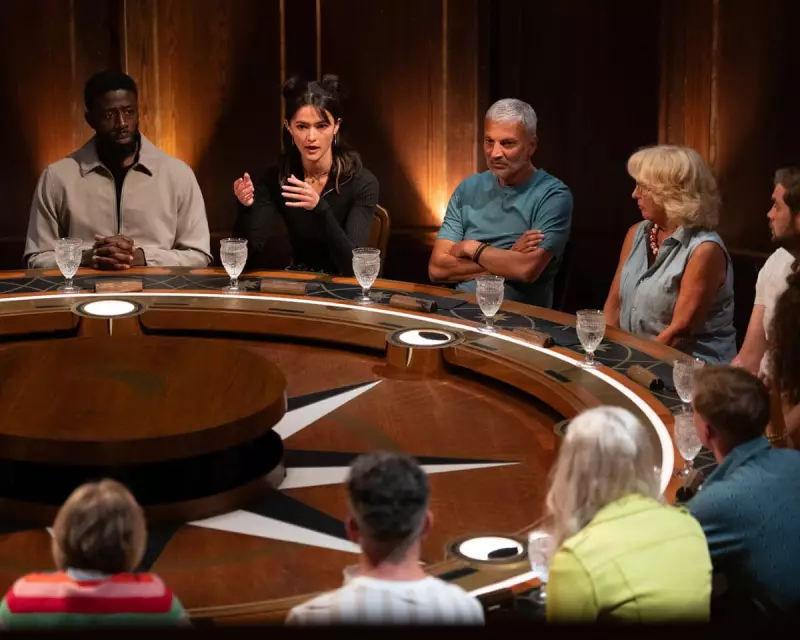
In an age where television shows can become global sensations overnight, the dreaded spoiler has long been the scourge of the casual viewer. Yet, a quiet revolution has been taking place. The experience of watching the latest series of the BBC's hit show The Traitors has highlighted a surprising trend: avoiding plot revelations is now far less perilous than it once was.
The Changing Landscape of Spoiler Culture
A decade ago, the internet was a treacherous minefield for anyone not immediately up-to-date with the latest episode. The rise of streaming and binge-watching created a chaotic environment where some viewers would consume entire seasons in a single sitting and then freely discuss every detail online. Social media platform X, formerly known as Twitter, was a particular danger zone. For UK-based fans of US shows like Game of Thrones, logging on on a Monday morning was an exercise in extreme caution, a "Total Wipeout-level obstacle course" of potential spoilers no matter how many keywords one tried to mute.
Today, the terrain feels markedly different. Audiences have grown accustomed to the fragmented nature of modern viewing habits. There is now a widespread, unspoken understanding that not everyone watches at the same pace, leading to more considerate online behaviour. The nature of X itself has changed, becoming less of a universal town square for TV chatter. Furthermore, platforms like Reddit, a natural hub for detailed discussion, introduced formal spoiler tags nine years ago, creating safer spaces for those wishing to remain unspoiled.

Media Responsibility and The Traitors Advantage
The media has also adapted, showing greater care and a more nuanced understanding of what constitutes a spoiler. It's no longer just about avoiding revelations of a character's death; it extends to cryptic hints about which episodes are particularly significant. A notable example came from Succession creator Jesse Armstrong, who, when sending out screeners for the final season, explicitly asked critics to refrain from hinting at "which episodes might be 'big ones', even cryptically or indirectly".
The Traitors itself benefits from a structural advantage in the spoiler war. Its unique broadcast schedule—airing on three consecutive days before a four-day break—creates a natural catch-up window. This rhythm allows those who missed the live episodes over the weekend to get up to speed, while the wider audience collectively holds off on detailed discussions until the following week, fostering a shared viewing experience.
A New Era of Considerate Viewing
This is not to claim we live in a spoiler-free utopia. Loose-lipped colleagues or rogue social media posts can still ruin surprises. However, the collective mindset has shifted significantly. The pact of silence around major shows is stronger, and the tools to protect oneself are more effective. The result is that enjoying a phenomenon like The Traitors no longer requires the desperate measures of yesteryear, such as completely avoiding the internet. The digital world has, it seems, learned a degree of etiquette, allowing the suspense of the round table to remain intact for all.