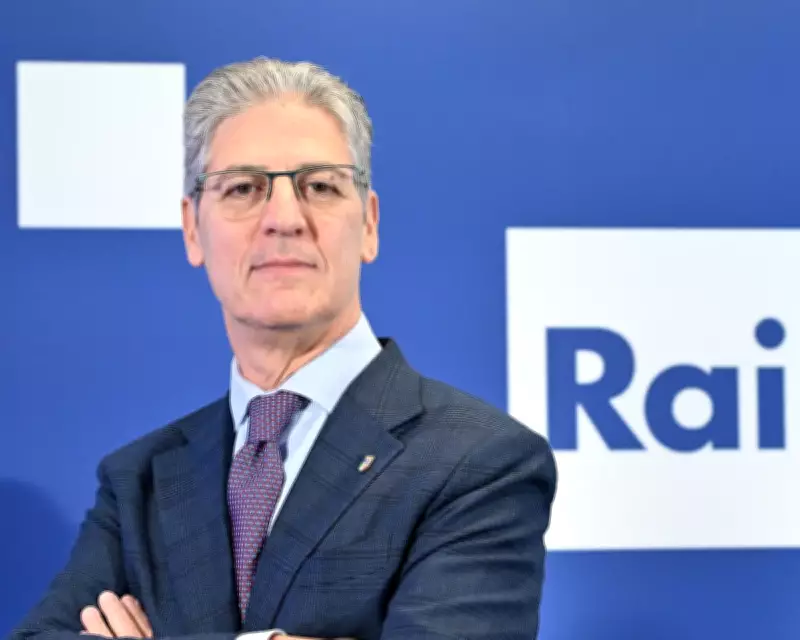
Italian journalists are set to stage protests following a series of embarrassing gaffes made by their boss during Olympic commentary, a move that has ignited a fierce debate over media professionalism and accountability in the broadcasting industry.
Outrage Over Error-Ridden Commentary
The controversy erupted after the boss, whose identity has been widely reported in Italian media, delivered a commentary filled with factual inaccuracies and mispronunciations during recent Olympic events. These errors, which included misidentifying athletes and misstating competition results, were broadcast to a national audience, drawing immediate criticism from viewers and fellow journalists alike.
Sources within the Italian press corps describe the incident as a "major embarrassment" that has undermined public trust in sports journalism. Many reporters argue that such mistakes are unacceptable in a high-profile setting like the Olympics, where accurate reporting is crucial for both the integrity of the events and the reputation of the media outlet involved.

Journalists Demand Accountability
In response, a group of Italian journalists has organised protests to demand greater accountability from media management. They are calling for stricter adherence to professional standards, including better preparation and fact-checking for live broadcasts. The protesters emphasise that this is not just about one individual's performance but about upholding the credibility of journalism as a whole.
Key demands from the journalists include:
- Implementation of mandatory training for commentators on Olympic sports and protocols.
- Establishment of a review panel to oversee live broadcasts for accuracy.
- Public acknowledgment of the errors and steps to prevent future occurrences.
Broader Implications for Media Standards
This incident has sparked a wider conversation about the pressures faced by journalists in the fast-paced world of live sports coverage. With the increasing demand for instant updates and real-time analysis, there is a growing risk of errors slipping through, especially without robust support systems in place.
Experts in media ethics note that such gaffes can have lasting effects on audience perception, potentially leading to a decline in viewership and advertiser confidence. They suggest that media organisations must invest in resources like research teams and rehearsal sessions to mitigate these risks, particularly for globally watched events like the Olympics.
The protests are expected to take place in the coming days, with journalists planning to gather outside their employer's headquarters to voice their concerns. This action highlights a growing trend of media professionals advocating for higher standards in an era where misinformation is a significant public concern.
As the situation develops, it serves as a reminder of the vital role that accuracy and professionalism play in journalism, especially when covering prestigious international competitions that capture the world's attention.