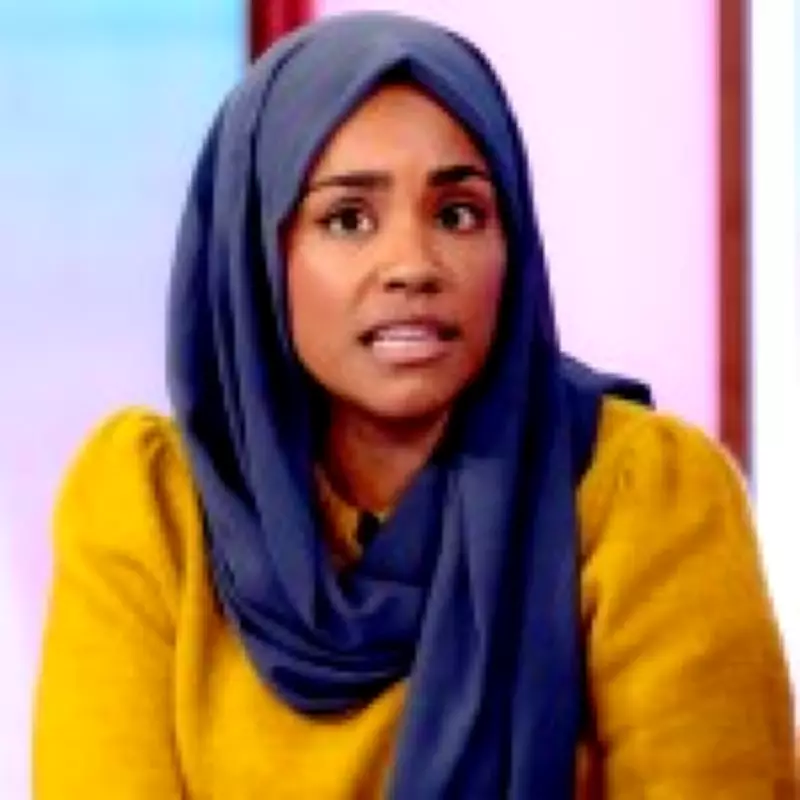
Ulrika Jonsson Faces Widespread Criticism for Attack on Nadiya Hussain
Television personality Ulrika Jonsson has sparked significant controversy with her recent comments targeting Great British Bake Off winner Nadiya Hussain. The backlash comes after Hussain spoke openly about her experiences with systemic racism within the television industry following the cancellation of her BBC cookery show.
The Context of Nadiya Hussain's Revelations
Last June, the BBC announced it had made the difficult decision not to commission another cookery program with Nadiya Hussain, though they expressed openness to future collaborations. This marked the conclusion of a decade-long television partnership for the celebrated baker. Since her departure from the BBC, Hussain has become increasingly vocal about feeling treated differently due to her Muslim faith.
In a recent interview, Hussain shared her struggles navigating what she described as a broken television landscape. She explained how she attempted to have difficult conversations with BBC executives about shifting focus away from her identity as what she called the easily digestible Muslim and toward the culinary content itself. Not long after these discussions, my show was canceled, Hussain revealed, highlighting what she perceives as institutional barriers.

Ulrika Jonsson's Controversial Response
Writing in The Sun using a Dear Nadiya open letter format, Ulrika Jonsson launched a personal critique of Hussain's statements. Jonsson referred to Hussain's comments as embarrassing moaning and told her to shut her cakehole. She further accused the Bake Off winner of pleading for public sympathy and displaying a seeming sense of entitlement.
Critics have noted that Jonsson based these claims on what she herself described as a brief encounter in a daytime television show green room. Many have questioned the appropriateness of launching such a personal attack based on minimal interaction, with commentators suggesting this response ironically validates Hussain's concerns about media treatment.
Broader Media Reaction and Systemic Issues
Jonsson is not alone in her criticism. The Spectator's Gareth Roberts described Hussain's situation as what you get when you mix identity politics with popular culture, calling it a rather sickening concoction. Meanwhile, TalkTV guest Malcolm Clark dismissed her comments as endless whining and suggested Hussain believed wearing a hijab entitled her to license payer largesse.
These reactions occur against a troubling backdrop of rising anti-Muslim sentiment. Recent Home Office statistics reveal that hate crimes targeting Muslims reached record levels in the run-up to March 2025, with 4,478 incidents recorded representing almost half of all religious hate crimes. This represents a twenty percent increase from the previous year.
Representation Disparities in Television
The British television cooking scene demonstrates a significant lack of prominent South Asian and Muslim chefs fronting major network programs. While household names like Jamie Oliver, Nigella Lawson, and Mary Berry dominate screens, Nadiya Hussain remained one of only a handful of people of color who achieved similar prominence during her tenure.
After developing a substantial fanbase and serving for several years as a poster girl for BBC diversity initiatives, Hussain's sudden removal from screens has raised questions about institutional double standards. Critics point to other television personalities who have received multiple chances despite controversies, noting that Jeremy Clarkson remained with the BBC until physically assaulting a producer, while Lord Sugar has maintained his position through various controversies.
The Power of Speaking Out
Hussain's refusal to remain quietly grateful has resonated with many who have faced similar discrimination. Her statement about rejecting gratitude expectations highlights how minorities are often pressured to accept mistreatment without complaint. This sentiment has struck a chord particularly among those who have experienced institutional gaslighting when attempting to address discrimination.

The reaction to Hussain's decision to speak openly about her experiences has been revealing. While some have dismissed her concerns as whining or identity politics, others recognize her courage in addressing systemic issues within an industry that often resists meaningful change. The disparity in how different personalities are treated by media organizations continues to raise important questions about equity and representation in British broadcasting.