

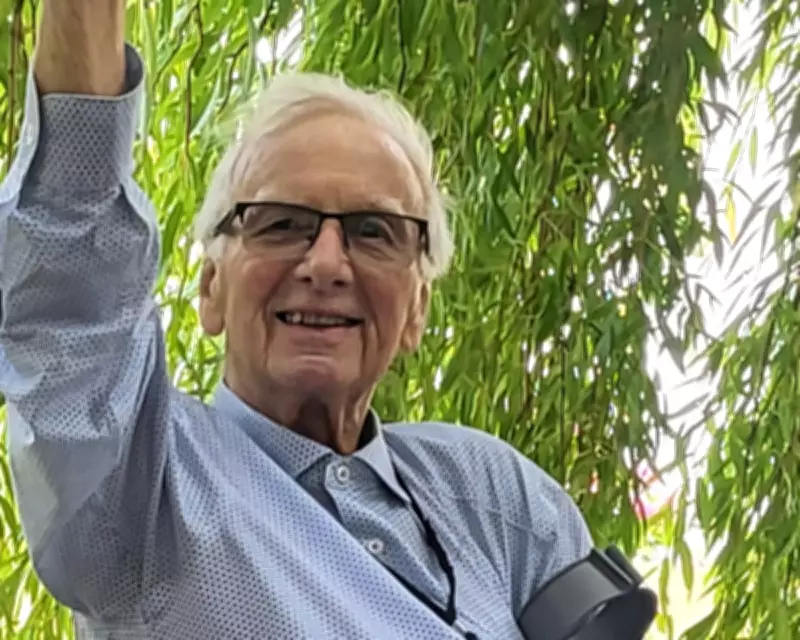
Michael Barton: The Visionary Who Shaped BBC Local Radio
The broadcasting world has lost one of its most influential pioneers with the death of Michael Barton at the age of 94. As the first and only controller of BBC Local Radio, Barton's legacy stretches across the network of stations that now serve communities throughout England.
Building Radio Sheffield from the Ground Up
Barton's remarkable journey began in 1967 when he took the helm at BBC Radio Sheffield, the second local station to launch following Radio Leicester. With no existing template to follow, Barton faced the creative challenge of defining what local radio should sound like. His innovative approach focused on genuine community reflection and participation.
He transformed the airwaves by introducing several groundbreaking formats:

- Interactive phone-in programmes that gave listeners direct access
- Live magazine shows covering diverse local interests
- Specialised programming for ethnic minority communities
Among his most significant contributions was the introduction of Hindi-Urdu and Bengali language programmes. These initiatives were specifically designed to help immigrant communities navigate life in Sheffield, demonstrating Barton's commitment to inclusive broadcasting that served all residents.
Expanding the Local Radio Network
The success of the initial eight stations under Barton's leadership led to authorisation for twelve additional outlets. In 1974, his achievements were recognised with promotion to controller of BBC Local Radio based in London. Over his thirteen-year tenure, Barton pursued an ambitious vision of extended broadcasting hours and improved production standards.
He faced significant challenges during this period, including:
- Persistent threats of budget cuts and potential closure
- Proposals to amalgamate local radio with Radio 2
- Criticism from some quarters dismissing the service as "Toytown Radio"
Despite these obstacles, Barton successfully defended the network's independence and secured approval for twenty additional stations, working toward comprehensive coverage across England. He empowered his managers with considerable autonomy and actively nurtured talent that would later enrich all areas of BBC broadcasting.
Early Career and Personal Life
Born in Cottingham, East Riding of Yorkshire, Barton was educated at Hymers College in Hull before beginning his career as a copywriter. Following national service in Germany, he joined the BBC's North Region in 1953, where he developed his skills as a studio manager, producer, and broadcaster across both radio and television.
Beyond his professional achievements, Barton maintained a lifelong passion for the arts. He took leading roles in university theatre productions, enjoyed regular theatre and opera attendance, participated in play-reading groups, and was an accomplished pianist who sang in choirs. In 1967, the same year he launched Radio Sheffield, he married teacher Jill Nelson, whom he had met through amateur dramatics.
A Controversial Departure and Lasting Legacy
Barton's tenure ended in 1986 when he opposed proposals to decentralise BBC Local Radio control to regional centres. He argued convincingly that this move would prove costly and subordinate local radio interests to regional television priorities. Understanding the importance of proximity to London's decision-making centres, Barton fought to maintain the existing structure but ultimately lost both the argument and his position.
Despite this professional setback, his enthusiasm for local radio never diminished. He remained with the BBC until 1991, continuing to contribute his expertise before retiring to enjoy travelling, tennis, and his many cultural pursuits. Jill predeceased him in 2022, and he is survived by his sons Daniel and Chris, along with two grandsons.
Michael Barton's pioneering work established the foundation for community-focused broadcasting that continues to define BBC Local Radio today. His introduction of multilingual programming at Radio Sheffield set an important precedent for inclusive media that recognises and serves diverse populations across Britain.






