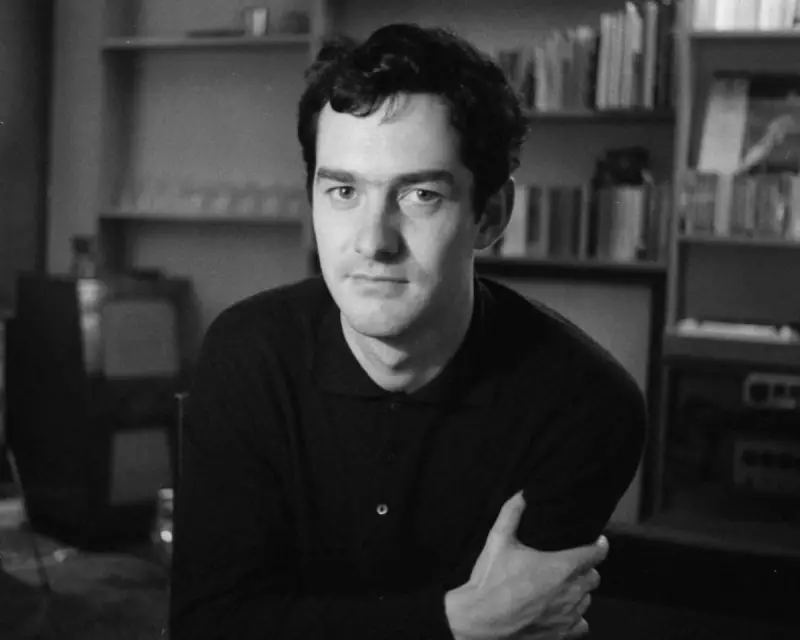
Michael Macintyre: A BBC Visionary Who Documented Disappearing Worlds
Michael Macintyre, a distinguished television producer and director for the BBC, has passed away at the age of 85. His remarkable career spanned decades, during which he collaborated with broadcasting legend David Attenborough and created a series of films that serve as priceless records of cultures now lost to time.
Early Life and Education
Born in Baildon, West Yorkshire, Michael was the son of Vera Brougham and David Gray. Following his father's death, his mother married Maurice Macintyre, and Michael received his education at Cheltenham Grammar School before progressing to Magdalen College, Oxford, where he studied physics.
A Fortuitous Meeting and BBC Career
The author of this tribute first encountered Michael in 1961 at a BBC office in London, where both were interviewing for trainee television engineer positions. Despite having studied on the same physics course at Oxford for nearly three years, they had never met until that day. This chance meeting blossomed into a lifelong friendship and parallel careers at the BBC, with Michael often leading the way professionally.

Michael's BBC journey began with him quickly advancing to become a videotape editor. By 1963, he had secured a role as a director in BBC TV's presentation department. His career trajectory continued upward when he transitioned to the music and arts department in 1965, contributing to programmes such as Look of the Week, Release, and Review.
Documentary Work and Collaboration with David Attenborough
After taking a year out in 1969 to travel extensively in the Far East, Michael returned to the BBC as a producer/director. It was during this period that he began his significant collaborations with David Attenborough, most notably on the 1975 series The Tribal Eye and the 1980 production Spirit of Asia.
His documentary achievements continued with two particularly notable series: The Shogun Inheritance in 1984 and The New Pacific in 1985. Both projects were accompanied by books featuring Michael's own striking photography, captured during extensive location shoots. These films have gained historical importance as they documented cultural practices and societies that have since vanished, preserving them for future generations.
Later Career and Personal Passions
In 1991, Michael left the BBC to establish himself as a freelance director, cameraman, video editor, and photographer. He continued producing films, including several more for the BBC, until his diagnosis with Lewy Body Dementia forced his retirement in 2007.
Beyond his professional accomplishments, Michael cultivated a rich personal life filled with diverse interests. He was an accomplished guitarist with a deep appreciation for both Indian and Western classical music and dance. An enthusiastic tennis player and cyclist, he also maintained a collection of fast cars and motorbikes. However, his greatest passion remained photography, a skill he demonstrated professionally throughout his career.
Personal Life and Legacy
Michael is survived by his partner, Stephanie Chilman, whom he met at the BBC when she worked as a production assistant, and their daughter, Natasha. His legacy endures through the invaluable visual records he created, capturing moments of human culture that might otherwise have been lost to history.
Michael Macintyre's career represents a significant chapter in British broadcasting history, marked by artistic vision, technical skill, and a profound commitment to documenting the diversity of human experience across the globe.