Murdoch Media Feud Erupts Over Sexual Assault Podcast Coverage
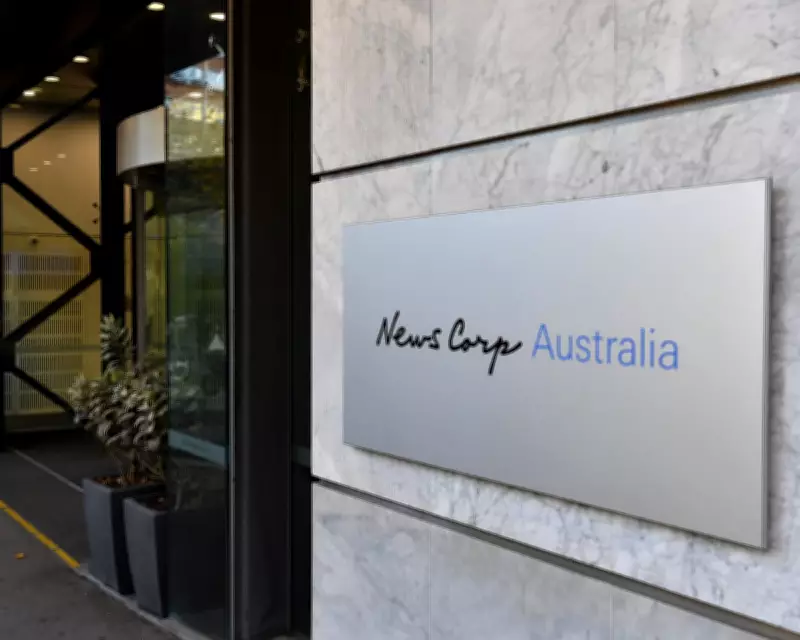
A rare and public conflict has erupted between Rupert Murdoch's Australian media properties, with news.com.au and The Australian engaging in a heated dispute over coverage of a controversial podcast about sexual assault. The tension began when news.com.au published an exclusive interview with a sexual assault survivor who was critical of The Australian's podcast, Shadow of Doubt, hosted by Richard Guilliatt.
Explosive Interview Sparks Media War
The interview, which included a TikTok video that garnered an astonishing 9.5 million views, has triggered a fierce response from The Australian. A series of investigative reports by Walkley award-winning journalist Nina Funnell for news.com.au has achieved remarkable digital traction, attracting 860,000 unique page views in just over a week. This success has reportedly intensified The Australian's displeasure with the criticism directed at its podcast.
The Australian launched a lengthy rebuttal from Guilliatt and published an editorial claiming that news.com.au's articles were "riddled with so many errors, omissions and misrepresentations" that the website had already revised them online. Observers noted that one of Funnell's articles was amended after publication to include additional comments from The Australian, despite already containing a comprehensive response from Guilliatt.

Content Scrubbing and Editorial Silence
In a surprising development, a new article published on news.com.au on Tuesday removed all direct references to Richard Guilliatt, the Shadow of Doubt podcast, and The Australian. Instead, the piece referred vaguely to "a public podcast" and the "journalist responsible." When approached for comment, both Michelle Gunn, editor-in-chief of The Australian, and Kerry Warren, editor of news.com.au, declined to provide any explanation for these editorial decisions or the escalating conflict between the two Murdoch-owned publications.
ABC Strike Provides Fodder for Sky News Criticism
Meanwhile, a separate media controversy unfolded as Sky News Australia seized upon the ABC's 24-hour strike for extensive coverage and criticism. Sky News reporters were dispatched to document striking ABC employees visiting pubs, noting their drink choices and costs. The right-wing channel published stories suggesting that ABC staff were "day drinking" while requesting additional taxpayer funding.
Sky News presenter Chris Kenny, known for his frequent criticism of the ABC, expressed outrage that the strike was depriving viewers of their normal programming. Despite regularly deriding ABC content as "green left," Kenny complained about the disruption to services and even called for striking presenters to be dismissed. Sky News dedicated significant airtime to the strike, with one reporter noting that viewers had to settle for comedy reruns instead of their usual news programming.
Union Access Restricted at ABC
Tensions at the ABC reached a new height this week as management implemented stricter rules regarding union access to work sites. The Media Entertainment and Arts Alliance and the Community and Public Sector Union received notice that union officials could no longer use union members as escorts when visiting ABC properties. Instead, they would be escorted by ABC representatives and restricted to designated break areas.
An ABC spokesperson stated that the change was necessary because union officials were disrupting working staff and accessing unauthorized areas. This development followed industrial action during which ABC managing director Hugh Marks suggested staff had treated taking industrial action as "a bit of a game," prompting a strong rebuke from union members.
Journalistic Career Resurgence After ABC Redundancy
In a positive development for Australian journalism, multi-award-winning journalist Ginny Stein has been appointed as head of discipline for journalism at the University of Technology Sydney's School of Communication. Stein, who was made redundant in 2018 when the ABC axed Lateline, subsequently served as managing editor for Radio Free Asia's South Asia division until its closure during the Trump administration.

Her appointment represents a significant career resurgence following what many considered an ignominious end to her distinguished tenure in public broadcasting. Stein's return to a leadership role in journalism education underscores the ongoing evolution of media careers in Australia's changing media landscape.