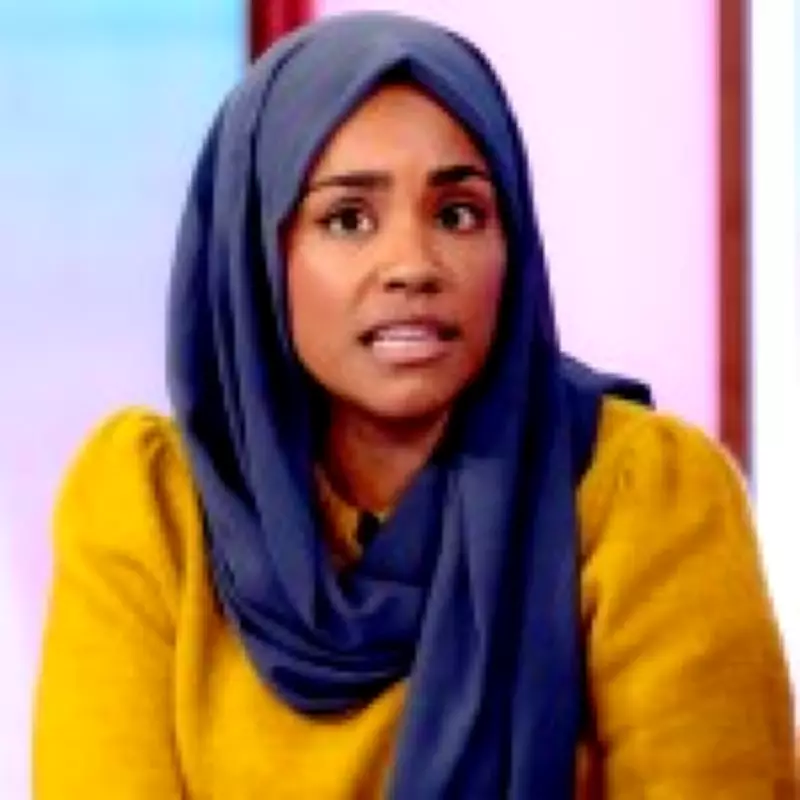
Nadiya Hussain Confronts Poison Pen Campaign After Speaking Out on Media Racism
Nadiya Hussain, the celebrated Great British Bake Off winner, deserves far better than the toxic hate campaign she is currently enduring. Last June, the BBC announced it had made the 'difficult decision' not to commission another cookery show with Hussain, though it expressed openness to future collaborations. This move ended a decade-long television partnership, sparking a wave of controversy and highlighting deeper issues within the industry.
Speaking Truth to Power
Since her departure from the BBC, Nadiya Hussain has become increasingly vocal about her experiences, asserting that she was treated differently due to her Muslim identity. She has openly shared her struggles navigating what she describes as a 'broken' TV landscape plagued by systemic racism. In a recent interview, Hussain revealed she attempted to have 'difficult conversations' with network executives about shifting focus away from her identity as 'the easily digestible Muslim' and toward her culinary expertise. 'Not long after, my show was cancelled,' she remarked, underscoring the challenges faced by minority voices in media.
Backlash and Criticism
Hussain's candid revelations have inevitably triggered a tiresome backlash from certain media personalities. TV figure Ulrika Jonsson, in a column for The Sun, dismissed Hussain's comments as 'embarrassing moaning' and told her to 'shut her cakehole.' Jonsson accused Hussain of 'pleading for public sympathy' and displaying 'a seeming sense of entitlement,' claims based on what she admits was a 'brief encounter' in a green room. This personal attack exemplifies the dismissive attitude often directed at minorities who dare to speak out.

Other critics have joined the fray. Gareth Roberts of The Spectator labeled Hussain's stance a 'sickening concoction' of identity politics and popular culture, while TalkTV guest Malcolm Clark accused her of 'endless whining' and leveraging her hijab for 'license payer largesse.' Such responses not only undermine Hussain's valid concerns but also reflect a broader pattern of hostility toward Muslim women in the public eye.
Broader Context of Discrimination
The vitriol aimed at Hussain occurs against a backdrop of rising hate crimes targeting Muslims in the UK. According to a recent Home Office report, hate crimes against Muslims reached record levels in the run-up to March 2025, with 4,478 incidents recorded—a 20% increase from 2024 and nearly half of all religious hate crimes. This statistic highlights the urgent need for greater understanding and empathy, rather than dismissal and ridicule.
Hussain's refusal to be 'grateful' in the face of injustice resonates powerfully with many minorities who are often pressured to remain silent. The onscreen cookery scene notably lacks prominent South Asian and Muslim chefs on major networks like the BBC, where household names such as Jamie Oliver and Nigella Lawson dominate. Hussain was one of the few people of color to break through, making her sudden removal from screens all the more disheartening.
Double Standards in Media
The reaction to Hussain's outspokenness has laid bare the double standards within the BBC and broader media. While figures like Jeremy Clarkson and Lord Sugar have been given multiple chances despite controversies, Hussain's career has been curtailed amid rumors of being 'difficult to work with' or having a 'faded star.' This disparity raises questions about who the network chooses to protect and why.
Bigotry in today's media landscape is often insidious, manifesting not as overt hostility but as subtle gaslighting and dismissal. Even if Hussain's show was cancelled due to shifting trends or 'diversity being out of vogue,' as some speculate, it paints a bleak picture for representation in entertainment.
A Call for Change
For media personalities like Ulrika Jonsson and others, a Muslim woman like Nadiya Hussain, who uses her platform to address injustices, seems to be fair game for puerile attacks. It is time for critics to set aside their 'fury- and bile-filled pens' and listen to the experiences of minorities. Hussain's courage in speaking out serves as a crucial reminder of the ongoing struggle for equality and respect in an industry that still has much to learn.

As the conversation continues, it is essential to support voices like Hussain's and challenge the systemic barriers that perpetuate discrimination. The media must evolve to reflect the diversity of its audience, ensuring that all individuals, regardless of background, are treated with the dignity and fairness they deserve.