Culture Secretary Stands By BBC Leadership Amid Editing Scandal
Culture Secretary Lisa Nandy has publicly declared her continued confidence in the BBC's leadership as the corporation prepares to issue an apology for its controversial editing of a Donald Trump speech. The minister revealed she has spoken directly with BBC chair Samir Shah about the criticised edit of the former US president's 6 January 2021 address.
Panorama Edit Sparks Widespread Criticism
The broadcasting controversy centres on an edition of Panorama aired just one week before the US election, which spliced together sections of Trump's speech that were originally delivered almost an hour apart. The edited version appeared to show Trump telling supporters: "We're going to walk down to the Capitol and I'll be there with you, and we fight. We fight like hell."
This editing decision has drawn sharp criticism from Trump's press secretary, who branded the BBC as "100% fake news" and a "propaganda machine" over the weekend. The incident has also prompted intervention from the Commons culture, media and sport select committee, which has formally requested the BBC's response.

Broader Allegations of Institutional Bias
The Trump edit forms part of a wider set of criticisms outlined in a letter from Michael Prescott, a former independent external adviser to the BBC's editorial guidelines and standards committee. Prescott's letter, which was passed to the Daily Telegraph, also alleges bias in the corporation's coverage of Gaza and trans rights issues, while criticising BBC Arabic for featuring contributors who have expressed antisemitic views.
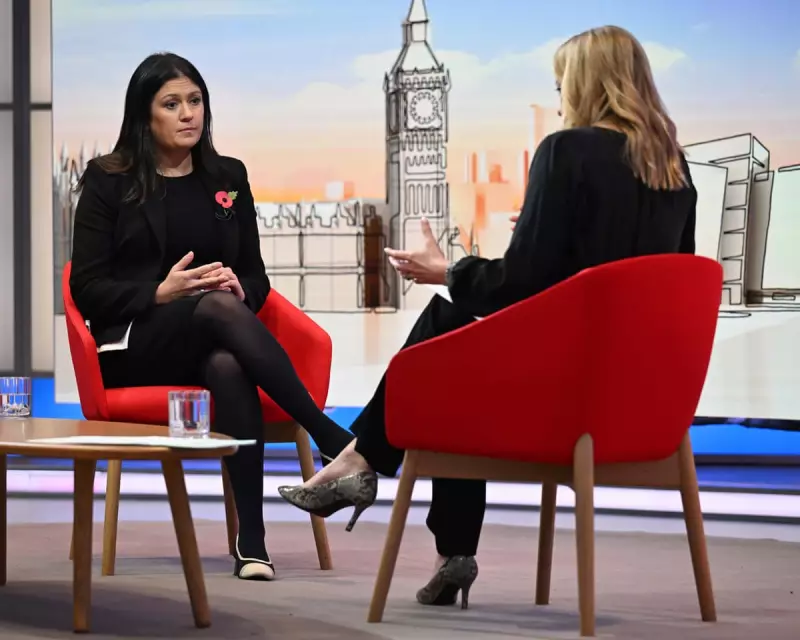
Nandy addressed these concerns during her appearance on the BBC's Sunday with Laura Kuenssberg, stating: "There are a series of very serious allegations made, the most serious of which is that there is systemic bias in the way that difficult issues are reported at the BBC."
The Culture Secretary emphasised her confidence that both Shah and BBC director general Tim Davie are treating the matter with appropriate seriousness, though Davie has yet to speak publicly about the controversy.
Broader Media Landscape Concerns
Nandy also highlighted the challenging environment in which the BBC now operates, warning that viewers increasingly struggle to distinguish between factual reporting and political opinion. "Increasingly, they're operating in a news media environment where news and fact is often blurred with polemic and opinion," she told the programme, describing this trend as creating a "very, very dangerous environment in this country where people can't trust what they see."
While some within the BBC acknowledge errors were made in the Trump edit, there are concerns that Prescott's criticisms are being exploited by political opponents to destabilise the corporation during crucial negotiations with the government about its future.
The Guardian has learned that BBC board member Robbie Gibb, Theresa May's former communications chief who helped establish rightwing broadcaster GB News, pushed for Prescott's appointment to an advisory role. Gibb was originally placed on the BBC board during Boris Johnson's government and served on the four-person panel that appointed Prescott.
Johnson has dismissed suggestions of an attempt to undermine the BBC as "complete and utter bollocks," while Prescott maintains his criticisms "do not come with any political agenda."
A BBC spokesperson defended the appointment process, stating: "[The editorial adviser roles] were advertised externally as part of the BBC's open and fair competition process, and Michael Prescott was interviewed by a panel of board members who made the collective decision to appoint him."