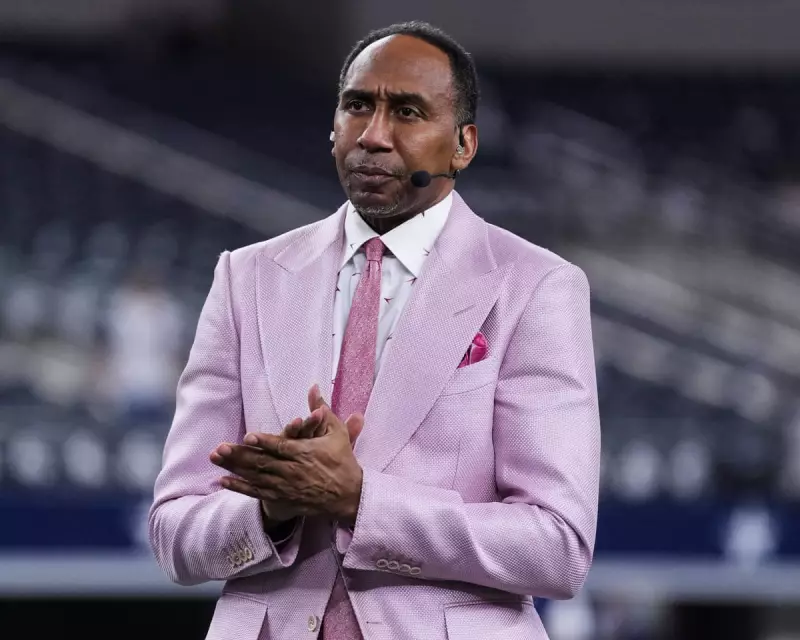
Prominent ESPN broadcaster Stephen A Smith has ignited a fierce controversy following his comments on the fatal shooting of American citizen Renee Good by an Immigration and Customs Enforcement (ICE) officer in Minnesota. His remarks, which appeared to blame the victim for her own death, have drawn swift condemnation from fellow media personalities and coaches across the NBA.
Outcry follows shooting and Smith's 'hot take'
The incident occurred this past weekend, when Jonathan Ross, an ICE officer, shot and killed Renee Good, a mother of three. The shooting prompted hundreds of demonstrations across the United States and resonated deeply within the professional basketball community. Steve Kerr, head coach of the Golden State Warriors, and Doc Rivers of the Milwaukee Bucks both described Good's death as "murder." Kerr further criticised the Trump administration's attempts to portray Good as a terrorist, stating it was "shameful that the government can come out and lie about what happened."
Amid this widespread anger, Stephen A Smith offered a divergent perspective on his ESPN show. Analysing video of the event, Smith argued from a "lawful perspective" that the officer was "completely justified" and unlikely to face prosecution. He then questioned the officer's actions from a humanitarian view, but emphasised that Good "wrongfully tried to drive off and wrongfully disregarded a law enforcement official... and, as a result, lost her life because of it."

A wave of condemnation and defence
The broadcaster's comments were met with immediate backlash. CNN's Don Lemon labelled Smith a "disappointment," while former ESPN host Keith Olbermann called for his firing. Veteran journalist Soledad O'Brien criticised Smith for weighing in on complex legal and social issues without requisite expertise. "Stephen A Smith consistently jumps into issues... with zero knowledge or expertise and happily weighs in," she said.
In response, Smith claimed his words were taken out of context, insisting he was solely discussing legal justification. "Everything else about it is wrong. Morally and ethically wrong," he stated. However, in a later segment aimed at clarifying his position, he reiterated that "Renee Good did not" obey orders, maintaining that compliance ensures safety during police encounters.
The broader media and political landscape
Critics argue that Smith's rhetoric dangerously shifts blame onto the victim and aligns with Trump-era narratives. The article draws a parallel between Smith and another media figure, Jason Whitlock, suggesting both have become Black faces for right-wing talking points, allowing certain platforms to deflect accusations of racism. This positioning, the piece contends, is a calculated move to build a specific, financially valuable audience.
The core criticism levelled at Smith is his failure to critique the laws he cites. As the article notes, stating something is legal without examining its justice is insufficient—historically, laws like Jim Crow statutes were also legal. The hope expressed is for a personal reckoning, where figures like Smith realise the cost of trading credibility for the "gold coins and head pats" from certain political factions.
The fallout from the Minnesota shooting and the subsequent commentary underscores the deep divisions in American discourse around law enforcement, race, and accountability, with sports media now a central battleground.