

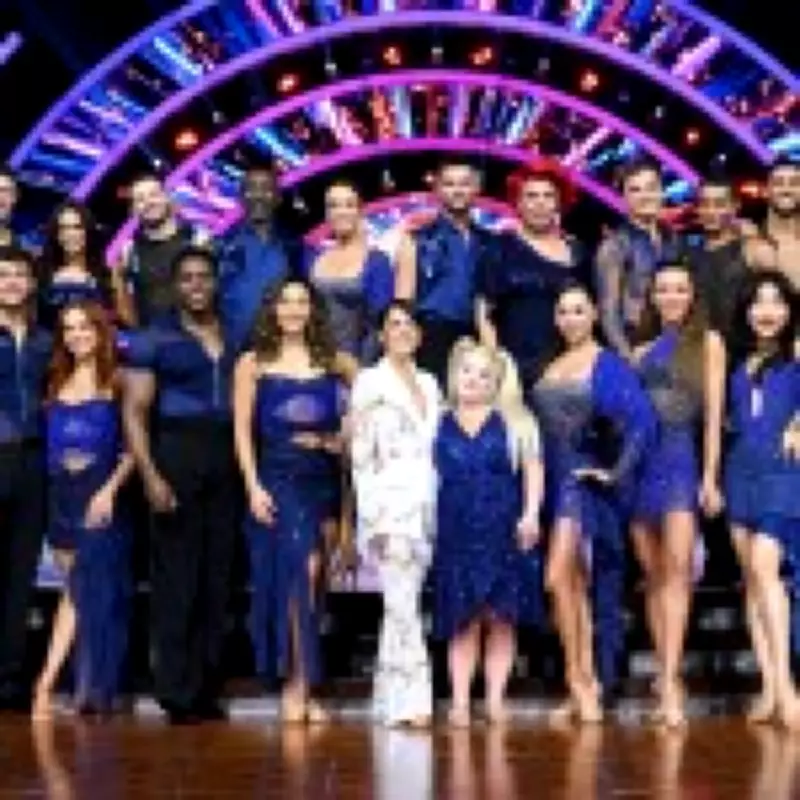
Strictly Come Dancing's Social Media Axe Sparks Outrage Over Talent Loss
Strictly Come Dancing is attempting to modernize, but its recent decisions have sparked widespread criticism for prioritizing social media metrics over genuine talent. The BBC series has reportedly been making retention and dismissal choices for professional dancers based on their online following, a trend that is unsettling fans and industry observers alike.
A Wave of Departures and Benchings
In a significant shake-up, at least five professional dancers have been axed from the show. This includes Karen Hauer, the longest-serving female pro, alongside Nadiya Bychkova, Luba Mushtuk, and Michelle Tsiakkas. Gorka Márquez is also departing after nearly a decade, though his move to judge the Spanish version of the show makes this less surprising. Additionally, Neil Jones and Nancy Xu have been saved but will be benched in the upcoming series, meaning they will not receive celebrity partners.
Rumors also suggest that It Takes Two hosts Janette Manrara and Fleur East may be replaced ahead of the 2026 season. While the BBC has denied these claims, stating plans will be confirmed in due course, the recent cuts have left many skeptical about the show's direction.

The Social Media Dilemma
The shift towards social media influence is driven by a desire to attract younger viewers, with TikTok becoming a key metric for success. A source revealed that while dancers won't be axed solely for lacking a following, it could be a deciding factor in their retention. This approach raises concerns about valuing online popularity over dance expertise.
Strictly has long relied on consistency and familiarity, with professional dancers building strong relationships with audiences over time. By focusing on social media numbers, the show risks undermining its core strength: showcasing world-class dancers who have earned their reputations through championships and elite competitions.
Unfair Metrics and Viewer Appeal
One major issue is the unfairness of judging professionals by social media metrics, as they have no control over their celebrity partners. For instance, Nadiya Bychkova's TikTok following remained modest while paired with Dan Walker or Matt Goss, whereas other pros saw significant growth when partnered with social media stars like George Clarke.
Interestingly, Strictly already has a proven method for engaging younger audiences: casting social media influencers as celebrity contestants. Figures like George Clarke, Joe Sugg, and Saffron Barker have successfully won over viewers with their dance journeys, demonstrating that the show can adapt without sacrificing talent.
A Call for Balance
While building a social media presence is important in today's media landscape, prioritizing it above all else threatens the heart and credibility of Strictly Come Dancing. The show's essence lies in transforming celebrities into dancers through the guidance of skilled professionals, not in turning dancers into algorithms.
As the BBC moves forward, fans hope for a return to valuing dance talent and viewer loyalty, ensuring that Strictly remains a beloved fixture rather than a casualty of modern trends.






