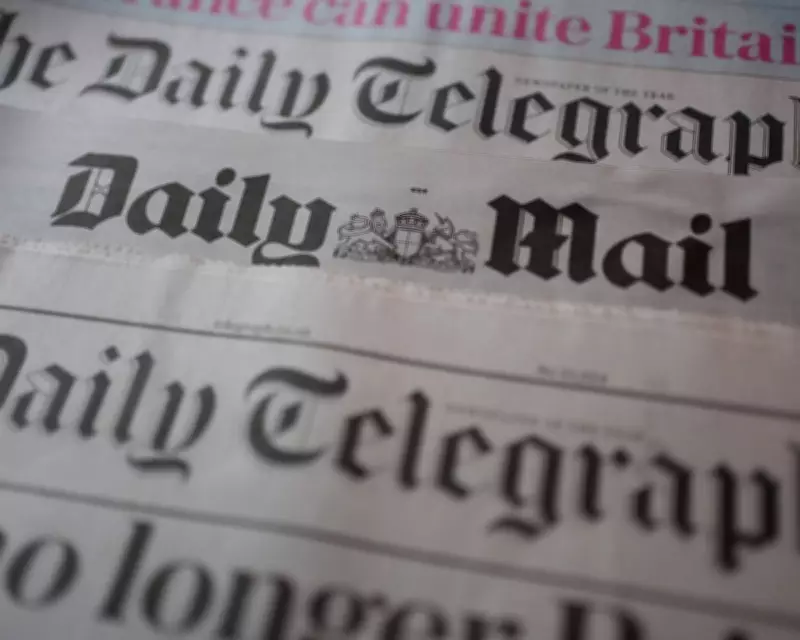
Telegraph Sale to Daily Mail Faces Regulatory Hurdle Over Media Plurality Concerns
Culture Secretary Lisa Nandy has formally referred the proposed £500 million sale of the Telegraph Media Group to the Daily Mail & General Trust (DMGT) to both the Competition and Markets Authority (CMA) and media regulator Ofcom. This intervention marks the latest obstacle in what has become a three-year saga surrounding the ownership of the Telegraph titles, a period during which multiple deals have been agreed upon only to subsequently collapse or face government blockage.
Concerns Over Market Plurality and Editorial Diversity
In a written statement, Nandy confirmed she holds significant "concerns" regarding the public interest implications of allowing DMGT, privately owned by Lord Rothermere, to acquire the Telegraph. These concerns specifically relate to the need for "a sufficient plurality of views in each UK market for news media" and "a sufficient plurality of persons with control of media enterprises serving every different UK audience." Officials have indicated that Nandy is worried the merger could allow DMGT to merge the editorial stances of the Daily Mail and the Telegraph, promoting a uniform viewpoint and reducing the potential for the papers to take diverging editorial positions on issues.
The referral is based on the assessment that DMGT, which also owns the i paper, Metro, and New Scientist magazine, already commands a "substantial share" of the UK newspaper market. The deal would grant DMGT control of approximately 46.68% of the national daily print newspaper market identified as right-leaning. While the Daily Mail and Telegraph are seen to have "overlapping" editorial positions, they are acknowledged to target "different audiences within the right-leaning spectrum." The fear is that common control could diminish the plurality of voices, particularly within the UK's right-leaning media landscape.

Regulatory Timelines and Industry Response
The CMA has been tasked with reporting to Nandy on competition issues, while Ofcom will examine the "media public interest considerations." Both bodies have until the middle of June to deliver their findings, effectively dashing any hopes for a swift resolution to the sale process. This timeline extends the period of uncertainty for the Telegraph titles, which have been in a state of ownership limbo since being put up for sale in 2023 following the Barclay brothers' loss of control.
Sources close to DMGT have challenged the rationale behind the referral, arguing that the modern media landscape has been radically transformed by digital platforms and outlets. They contend that analyzing the traditional print newspaper market in isolation is an outdated approach. Furthermore, these sources have questioned the utility of labeling publications as "rightwing," noting the term's vagueness and pointing out that newspapers within Rupert Murdoch's stable, such as The Sun, have previously endorsed Labour.
A Saga of Failed Deals and Political Intervention
The path to this point has been fraught with complications. An initial sale agreement to an Abu Dhabi-backed consortium, RedBird IMI, was blocked by the previous Conservative government over concerns regarding foreign state ownership. Subsequently, a deal was arranged with US firm RedBird Capital, which included a provision for Abu Dhabi to take a minor stake after the Labour government adjusted relevant legislation. This arrangement also fell apart due to delays and internal rebellion.
The current £500 million agreement with DMGT was struck in November. DMGT has explicitly stated that no foreign state funding is involved in this proposed transaction. The regulatory reviews initiated by Nandy now represent the most recent, and potentially significant, hurdle in this protracted and complex ownership battle for one of Britain's most prominent newspaper groups.