UK's Eurovision 2026 Entry: A Novelty Gamble Amidst Years of Poor Performance
The United Kingdom has unveiled its entry for the Eurovision Song Contest 2026, opting for a strategy centered on novelty rather than musical prowess. The act, known as Look Mum No Computer, whose real name is Sam Battle, presents the song Eins, Zwei, Drei, a synth-pop track that rhymes pepperoni with feeling okey-dokey and features lyrics about eating custard. This move comes after years of disappointing results for the UK in the competition, with only one top-10 finish in the last 16 years, despite extensive BBC coverage efforts.
A History of Eurovision Struggles and Questionable Strategies
Britain's recent Eurovision history is marked by a series of forgettable entries. The sole success in recent memory was Sam Ryder's second-place finish in 2022 with Spaceman, a song praised for its memorable quality. However, subsequent years saw a return to lackluster performances, such as Mae Muller's Wrote A Song in 2023 and Olly Alexander's Dizzy in 2024, both failing to resonate with voters. In 2025, Remember Monday's country-influenced What The Hell Just Happened scored zero in the public vote, highlighting a persistent issue with song selection.
The BBC has invested heavily in promoting Eurovision, with Radio 2 broadcasting multiple shows, including documentaries, semi-finals, and parties hosted by Sophie Ellis-Bextor. Yet, public interest remains questionable, as many Britons seem indifferent to the contest's outcomes, despite media portrayals of widespread outrage over poor showings.

Look Mum No Computer: The Quirky Contender
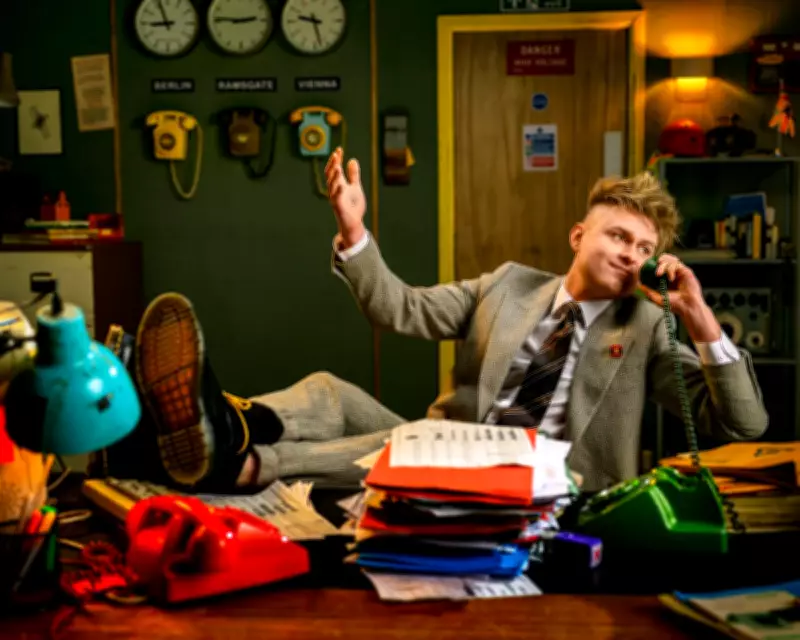
Sam Battle, the man behind Look Mum No Computer, is an Essex-based YouTube personality known for his eccentric videos featuring vintage synthesisers, a 1929 Austin 7 car, and a museum in Ramsgate dedicated to analogue devices. His Eurovision entry, Eins, Zwei, Drei, lacks a strong melody but includes a shouted hook and a glam rock-inspired coda. The accompanying video showcases his zany persona, with scenes of him dipping biscuits into baked beans and pretending to drive a Mini with a keyboard attached.
The BBC has described the lyrics as strikingly witty, but critics argue that the reliance on novelty may backfire. Battle himself has expressed fatalism about the UK's chances, noting in a recent interview that there's a lot of stuff going on with the voting, a lot of favouritism and stuff, and maybe the UK isn't everyone's favourite when it comes to Eurovision. This sentiment suggests a lack of confidence in the entry's potential success.
Will Novelty Overcome Musical Shortcomings?
As Eurovision 2026 approaches, the question remains whether Look Mum No Computer's quirky approach can break the UK's losing streak. While novelty acts have occasionally succeeded in the contest, such as Finland's Lordi in 2006, they often rely on a combination of entertainment value and musical quality. Eins, Zwei, Drei may struggle to compete against more polished entries from other countries, risking another year of disappointment for British viewers.
The broader issue of the UK's Eurovision strategy persists, with calls for a return to focus on songwriting and performance rather than gimmicks. As the final nears, all eyes will be on whether this gamble pays off or if it becomes another footnote in a long history of underwhelming results.