Uncanny's Global Rise: How a Paranormal Podcast Became a Cultural Phenomenon
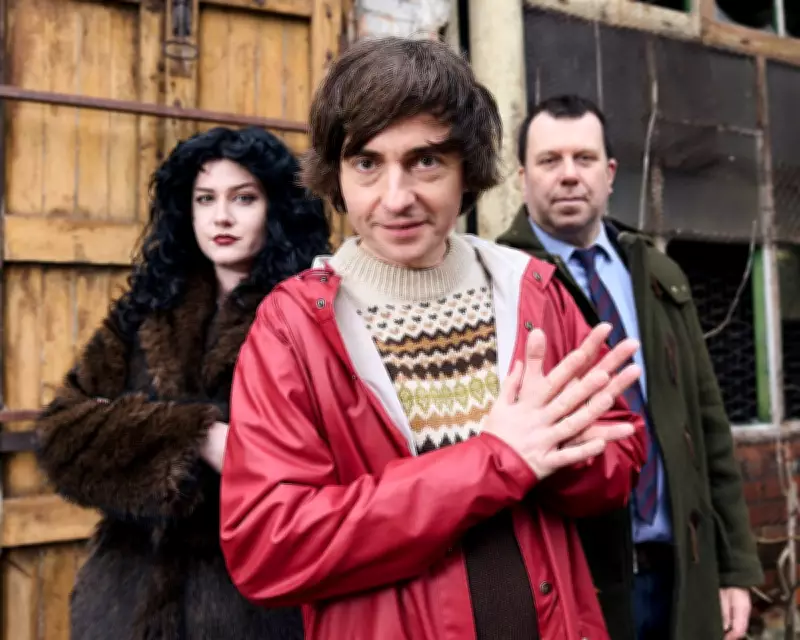
In the dimly lit London Palladium, Danny Robins – often called the "high priest of the paranormal" – paces the stage, his trademark red anorak removed as he shares chilling ghost stories. A phantom baby, a haunted Teams meeting, and even a "hairy flasher" captivate the audience. Beside him, parapsychologist Evelyn Hollow represents Team Believer, while skeptic Ciarán O'Keeffe brings scientific scrutiny, having famously exposed Most Haunted's medium Derek Acorah as a fraud.
From Radio 4 to Global Franchise
The journey began five years ago with a simple Radio 4 podcast format that would revolutionize paranormal entertainment. The inaugural episode, "The Evil in Room 611," featured scientist Ken recounting terrifying experiences from his university days, complete with dark figures and shaking doors that prompted Robins' memorable reaction: "Bloody hell, Ken." Experts offered contrasting theories – from hypnagogic hallucinations to poltergeist activity – establishing Uncanny's signature investigative approach.
This formula proved spectacularly successful, with episodes downloaded over 8 million times within just two years. The podcast has since evolved into a multimedia empire encompassing live stage shows, television series, international spinoffs, celebrity specials, books, and UncannyCon conventions. It consistently ranks among BBC Sounds' most popular offerings and topped podcast charts at the end of last year.

The Uncanny Community Phenomenon
What makes Uncanny particularly remarkable is its diverse fanbase, spanning generations from six-year-old children to baby boomers. "We live in this incredibly divided world," observes Robins. "There's something quite beautiful about how the Uncanny community are totally polarized, yet they've found this way of enjoying it and agreeing to disagree."
The show has attracted celebrity devotees including Simon from The Cure, who toured with an Uncanny tote bag, and comedians like Reece Shearsmith, James Acaster, and Bridget Christie, who have participated in special episodes. In Guildford, the bassist from The Jam even queued for autographs, highlighting the show's unexpected cultural reach.
Academic Credibility and Global Expansion
Unlike earlier paranormal programming that Robins describes as "very pantomime-y," Uncanny brings academic rigor to supernatural investigations. O'Keeffe, a university professor, notes that colleagues worldwide frequently discuss the show during international meetings. "It's a detective story as well," he explains. "Viewers are watching it unfold and trying to work it out. We're not just opening the door to a haunted house."
International expansion continues apace, with 11% of podcast listeners coming from the United States, plans for Australian tours, and Sweden already having produced its own version titled Kalla Kåarar. Germany is next in line for a localized TV adaptation, while a new YouTube channel focusing on classic cold cases promises to reach even broader audiences.
Cultural Context and Future Horizons
The show's timing proved fortuitous, launching during the pandemic when reported paranormal engagement spiked. "You can't expand your life outwards and you start to look inwards," suggests Hollow, connecting current global anxieties to supernatural fascination. Robins adds, "The more frightening our world feels, the more we seek another world outside it."
Cultural differences in paranormal engagement have emerged during international productions. While investigating cases in the United States, Robins discovered that in at least three episodes, "people tried to shoot ghosts." One Georgia resident even attempted to fire an old rifle at a perceived supernatural threat, though the weapon fortunately failed to discharge.
Looking ahead, Uncanny's fourth convention at Birmingham's ICC promises to be the largest yet, while a BBC drama adaptation of "The Witch Farm" podcast is in development starring Gabrielle Creevy and Michael Socha. The franchise shows no signs of slowing, with tens of thousands of stories still awaiting investigation.

As Hollow marvels, "We're at the point where it's listened to more than the news. I mean, how much bigger can you possibly be?" With weekly episodes of Uncanny Cold Cases launching on BBC Radio 4, BBC Sounds, and the new YouTube channel, this paranormal phenomenon continues its astonishing global ascent.