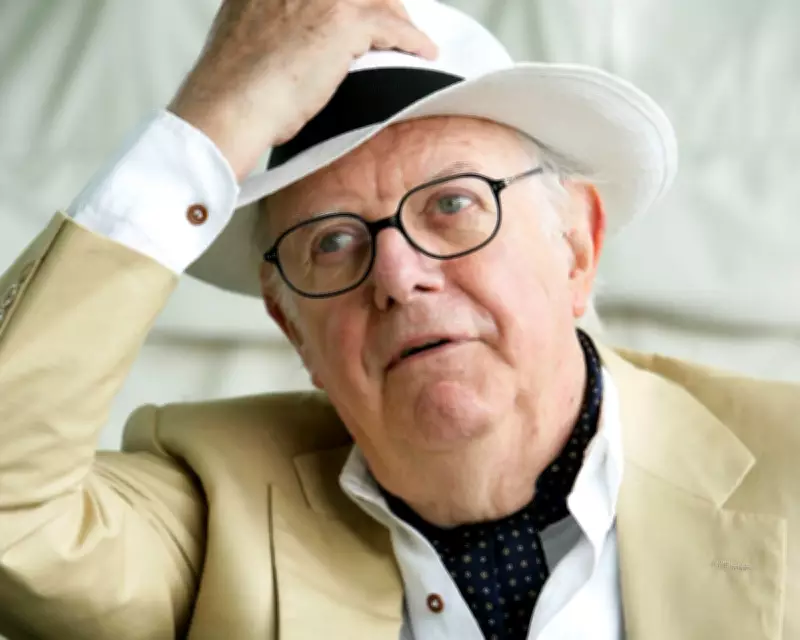
Dario Fo at 100: A Deliriously Funny Playwright with a Deadly Serious Purpose
The great Italian entertainer Dario Fo, born 100 years ago, masterfully blended comedy and ideology in his plays, creating works that continue to make audiences roar with laughter while confronting injustice. In Britain, political and popular theatre are often kept separate, but Fo's genius lay in uniting them through his roles as dramatist, actor, director, and designer.
Protest and Performance in His Genes
Protest and performance were deeply ingrained in Fo's life from an early age. His father, a stationmaster and part-time actor, involved him in wartime resistance against the Nazis in northern Italy, where they helped smuggle Allied soldiers to Switzerland. Fo rose to fame in 1962 when he and his wife, Franca Rame, hosted a weekly TV variety show that drew massive audiences. This engagement ended abruptly after they refused to accept censors' cuts, showcasing their commitment to artistic freedom.
Forming Nuova Scena and Mistero Buffo
Eventually, Fo and Rame established their own theatre company, Nuova Scena. In 1969, it premiered Mistero Buffo, Fo's widely traveled one-man show inspired by medieval texts. This work satirized the ceremony, hierarchy, and mysticism of the Catholic church, with sketches like Christ kicking Pope Boniface VIII for corruption. When televised, the Vatican condemned it as "the most blasphemous show in the history of television," highlighting Fo's provocative style.

Revitalizing Political Theatre with Iconic Plays
Fo's plays injected new vitality into political theatre. Accidental Death of an Anarchist, based on the real case of a Milanese railway worker falsely accused of bombing and falling from police HQ, remains his most famous work. Early London productions featured Alfred Molina delivering a brilliant performance, while a 2023 revival in Sheffield and the West End, starring Daniel Rigby, proved the play's timeless relevance. It reminded audiences that over 3,000 people have died in police custody in the UK since the play's 1970 premiere.
Juicy Roles and Political Farce
Seamlessly merging comedy and ideology, Fo excelled at creating rich roles for actors. In Trumpets and Raspberries, which reached the West End via Watford, Griff Rhys Jones played a communist shop-steward who becomes facially identical to Fiat boss Gianni Agnelli after plastic surgery. The play featured sharp verbal gags and visual comedy, resembling a politicized Feydeau farce that entertained while critiquing corporate power.
Harassment and the Purpose of Comedy
From a 1983 interview in London, two key insights emerge about Fo's life and work. Despite their popularity, Fo and Rame faced significant harassment, including wrath from the Catholic church and Communist party, physical intimidation, and 45 prosecutions by Italian police. More importantly, Fo viewed comedy as a tool for political ends. He emphasized that tragedy underpinned his writing, such as the death in Accidental Death or starvation in Can't Pay? Won't Pay!, using laughter to force audiences to confront harsh realities.
A Legacy of Entertainment and Mission
Dario Fo, who died in 2016, left a legacy as one of theatre's great entertainers with a profound mission: to expose cruelty, injustice, and oppression. His Nobel Prize in Literature in 1997 recognized his global impact, and his works continue to resonate, proving that humour can be a powerful vehicle for social change. As we mark his centenary, Fo's blend of satire and seriousness remains a vital reminder of theatre's potential to challenge and inspire.