The Allure of Analog: Why Gen Z Wants to 'Go 90s'
Content creator Mike Sheffer has sparked a movement with his simple directive: "People have to start going 90s." This means leaving smartphones at home to embrace a pre-digital existence where "things just happen" and there's "a different energy." For generation Z, born into a world of constant connectivity, the 1990s represent a mythical era of analog freedom they never experienced firsthand.
The Reality Behind the Romanticism
Those who actually lived through the 1990s remember a different reality than the one being idealized. The serendipity of "going 90s" included practical inconveniences like waiting forty minutes under a clock at M&S when friends didn't show, trudging dangerous miles home after transportation failures, and spending countless hours locked out of homes. Safety concerns that today's youth might overlook were ever-present realities.
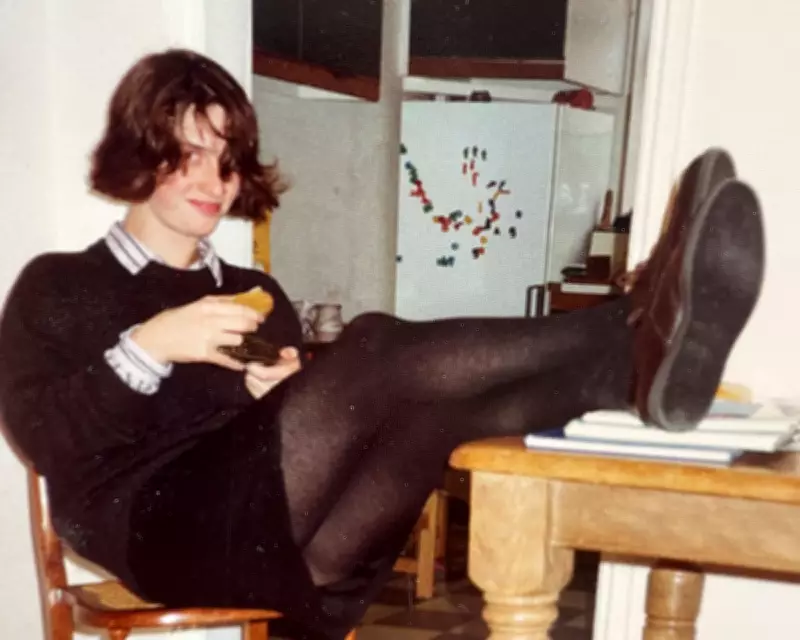
Emma Beddington, who came of age during the decade, recalls spending much of 1990-1994 "sitting, bored witless, on the doorstep" after forgetting keys. This contrast between romanticized memory and lived experience highlights the gap between generational perceptions.

Social Media's Role in 90s Revival
A viral social media trend asking "Mum (or Dad), what were you like in the 90s?" has prompted generation X celebrities from Snoop Dogg to Drew Barrymore and Jamie Oliver to post nostalgic photo montages. While this might appear as genuine curiosity from younger generations, it often functions more as a vehicle for gen X self-indulgence than authentic intergenerational dialogue.
Yet the longing appears genuine. A 2023 survey revealed that 60% of American gen Z adults "wished they could return to a time before everyone was 'plugged in'." This nostalgia for an era they never experienced personally speaks volumes about contemporary digital fatigue.
Psychological Perspectives on Technological Nostalgia
Social psychologist Dr. Clay Routledge theorizes that gen Z might be "productively focusing their nostalgia on a technological era before they were alive." Research suggests younger generations are "mining the past to enrich their present lives—especially by fostering a greater appreciation for offline living."
This backward-looking orientation could be interpreted as either a depressing commentary on how unpalatable the future appears or as a forward-facing strategy for reclaiming analog experiences in a digital world.
The Memory Gap: When Gen X Can't Remember
Ironically, many who lived through the 1990s struggle to recall the decade with clarity. Beddington admits, "I don't remember the 90s," not from excessive partying but from what she describes as being a "confused, hormonally depleted husk" addled by digital overload. Basic questions about 1990s life—when Pret existed, mobile phone adoption timelines, pint prices, or Portishead's Dummy release—require Google searches that still fail to capture how the era actually felt.
This memory gap creates an interesting dynamic: the decade has become an "imaginative construct" that belongs as much to those who imagine it as to those who lived it.
What 'Going 90s' Really Means
The appeal lies in specific elements that contrast sharply with today's always-connected existence: discovering things without algorithmic prompting, experiencing genuine serendipity, having freedom to make mistakes unobserved, and engaging with cultural touchstones from Nelson Mandela to the macarena. The physical artifacts—CDs, landlines, analog research tools like AltaVista—represent a slower, less mediated way of life.
As Beddington concludes, "if you remember the 90s, you weren't there" in the sense that memory itself becomes a constructed narrative. This allows gen Z to legitimately claim the decade as part of their cultural heritage while seeking inspiration for more balanced digital-offline living.
The movement represents more than mere nostalgia—it's a conscious effort to reclaim aspects of human experience that constant connectivity has eroded. Whether through leaving phones at home or embracing analog activities, younger generations are attempting to mine the past for solutions to present-day digital overwhelm.