Golders Green's Jewish Community Commemorates 81 Years Since Auschwitz Liberation
London's vibrant Jewish community in Golders Green has come together to mark the 81st anniversary of the liberation of the Auschwitz-Birkenau concentration camp. This solemn occasion coincides with Holocaust Memorial Day 2026, which carries the poignant theme of Bridging Generations – emphasising the vital transmission of survivor memories to younger people.
The Imperative of Remembering
Each year, communities worldwide remember the Holocaust, a genocide that systematically murdered approximately six million Jewish people. As the number of survivors dwindles with time, their first-hand accounts become increasingly precious historical artefacts. Auschwitz-Birkenau stands as a stark symbol of the Nazi regime's Final Solution, a brutal campaign aimed at the complete annihilation of Jewish people.
Many believe this act of remembrance is more crucial than ever, given the backdrop of continuing violence and conflict in the Middle East. The day serves as a powerful reminder of the consequences of hatred and intolerance.

Personal Stories from the 'Jewish Borough'
Golders Green, often referred to as London's Jewish Borough, has a deep historical connection to these events. Jewish settlement in the area increased significantly after the Underground station opened in 1907, with a notable influx of refugees fleeing Nazi persecution in the 1930s. Today, around half of Golders Green's population identifies as Jewish, with the area boasting numerous Kosher shops, restaurants, and over thirty synagogues.
For 32-year-old Jack Hur, a Kosher convenience store worker living in the area with his wife, Holocaust Memorial Day is a time for family reflection and prayer. "My grandma's father emigrated from Poland before the war started and she didn’t like talking about it," he shared. "My wife's father was also in the concentration camps. He survived and never spoke about it - so remembering the people that went through it is the best way to keep remembering." He noted that ongoing global conflicts can sometimes make these conversations more difficult, as they evoke painful memories.
The Younger Generation's Connection
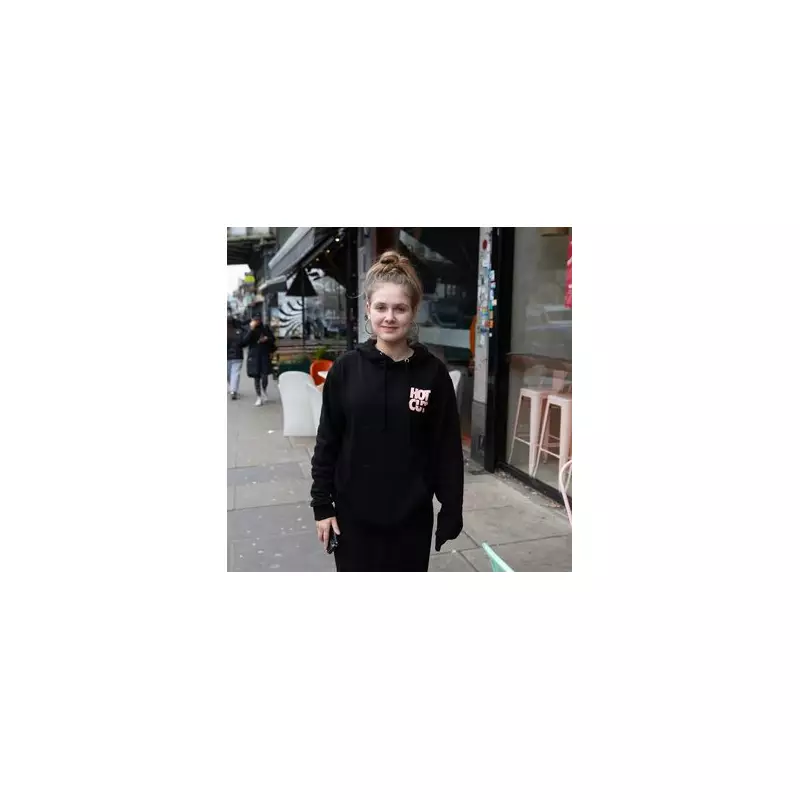
The commitment to remembrance is strongly felt among Golders Green's youth. Ruchami Grunewald, a 17-year-old who works in a Kosher sandwich shop, explained the profound personal connection young Jewish people feel. "We just feel so connected to it, especially since it was like our grandparents, our great-grandparents, people we knew personally," she said. "And I feel like everyone feels deeply about it, just because if they had succeeded in the Holocaust, we wouldn't be here."
She described how stories are shared within families and communities, supplemented by educational videos and specific holidays dedicated to remembrance, ensuring the history is actively engaged with rather than passively recalled.
Keeping Memories Alive Across Generations
For Rabbi B Dendderowicz, whose family members lived through the Holocaust, remembrance is a daily, constant practice rather than confined to a single day. "I remember it every day... my grandfather lived through it. So, it's a constant," he stated. He has taken his children to visit historical sites in Poland, making tangible the history they inherit. "We go and look back into the history," he affirmed, highlighting the active role of passing on this legacy.
A Perspective from Beyond the Community
The impact of this history resonates beyond the Jewish community. Ben Khoshkam, a 60-year-old Iranian barber working in Golders Green alongside many Jewish colleagues, reflected on the Holocaust's brutality. Despite contemporary tensions between Iran and Israel, he advocates for interfaith dialogue. "Terrible things happened during the holocaust and I hope it never happens again. It's a barbaric act and situation," he said.

He poignantly connected his daily interactions with the past: "When I see the people here I compare and remember - these people whose hair I’m cutting now, 100 years ago could be killed and it's so painful because they’re lovely beautiful children and families." His words underscore a universal hope for peace and a shared rejection of such atrocities.
As Holocaust Memorial Day 2026 is observed, the community in Golders Green stands as a testament to resilience, the sacred duty of memory, and the enduring importance of educating future generations about one of history's darkest chapters.