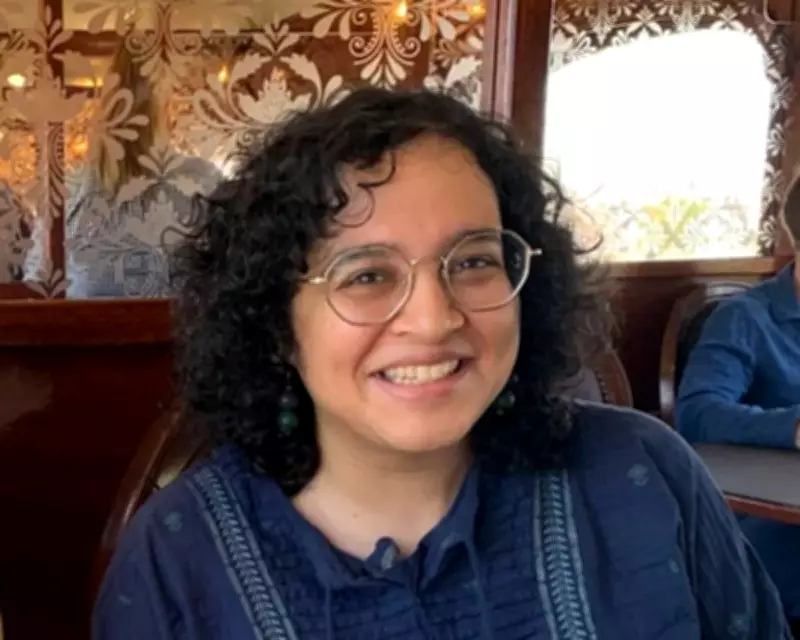
From Shame to Pride: How Correct Pronunciation Transformed My Identity
For Priti Ubhayakar, the simple act of introducing herself used to trigger waves of anxiety and shame. Growing up with a name that teachers, classmates, and strangers consistently mispronounced, she developed a deep-seated dread of social situations where her identity would be called into question.
A Lifetime of Name-Related Anxiety
From her earliest school days in the UK, Priti experienced the familiar struggle of children with "unconventional" names. "I would squirm in my chair as my new teacher worked through the class register," she recalls. "My stomach would drop as they attempted to say my full name: Priti Ubhayakar."
The mispronunciations began early, with many simply calling her "pretty" - a nickname that opened her to cruel teasing. "Pretty? You're not very pretty. Pretty ugly, I would say," became a painful refrain that followed her through childhood.

When her family moved to the United States in the mid-1990s, the problem only intensified. "I never knew what to say when people asked my name," she explains. "If I said 'pretty' in my English accent, they would try to imitate it. If I said it in an American accent, it sounded even worse."
The Physical Toll of Name Anxiety
The anxiety became so profound that Priti developed physical symptoms. "I would tremble when I walked into a room of new people," she remembers. "Knowing I would have to introduce myself, I wanted the ground to swallow me up."
She developed coping mechanisms, including staying quiet and letting American friends make introductions for her. The problem persisted through university, coffee shop orders, and into her corporate career, where she was variously called "Perdy," "Petri," and "Prit the Brit."
The Transformative Moment in Mumbai
Everything changed in 2004 when Priti took a job in Mumbai, India. On her first day, she entered the office with her usual trepidation, prepared for the familiar dance of nerves. When she introduced herself to her new boss, something remarkable happened.
"Hi, Priti," he said, pronouncing it perfectly as "Pree-thi." The moment was so unexpected that Priti did a double-take. "I had been fully prepared to go through my usual routine, and suddenly I didn't have to," she explains.
Rediscovering Her Name's True Sound
Throughout her time in India, Priti heard her name pronounced correctly everywhere she went. "My name rolled off my tongue as I made reservations at restaurants," she says. "I breezily exchanged names with our local shopkeeper."
The experience was transformative. "The sound of my own name was music to my ears," she recalls. "I let it ring out around me, providing a sense of comfort that I didn't realise I had been missing."
From Shame to Self-Acceptance
Surrounded by people who gave her name the respect she had never given it herself, Priti began to shed years of accumulated shame. "I didn't have to be ashamed of the name my parents had given me with such affection," she says. "I could let go of the previously unshakable feeling that there was something wrong with my name - and, in turn, that there was something wrong with me."
Her name, once a symbol of distorted feelings about her Indian heritage and immigrant experience, became a source of pride. When she returned to the US after eighteen months in India, she carried a new confidence in introducing herself with the correct pronunciation.
A Lasting Transformation
More than twenty years later, that brief exchange with her Mumbai boss continues to shape Priti's life. "It has made me stronger in ways I never expected," she reflects. Now she makes natural references to her Indian heritage, welcomes people into her life without hiding behind insecurities, and makes special effort to pronounce others' names correctly.
"When I walk into a room, I don't look around for others to make introductions," she says. "I reach out my hand and say: 'Hi, my name is Priti.' I know now that there is something about hearing, and saying, your own name out loud that can transform your sense of self."
Priti's journey illustrates how something as simple as correct name pronunciation can fundamentally alter a person's relationship with their identity, heritage, and self-worth - transforming shame into pride and anxiety into confidence.