London's 'Little Tehran' Label Sparks Debate Among Iranian Community
In West London, a vibrant Iranian enclave has long been informally dubbed "Little Tehran" by outsiders, but this label is now facing scrutiny from the very community it purports to describe. Residents and business owners in areas like Ealing and Acton argue that the nickname, while well-intentioned, oversimplifies their diverse and nuanced identity.
A Community Beyond a Moniker
The term "Little Tehran" often conjures images of a homogeneous neighborhood mirroring Iran's capital, but locals emphasize that their community is far more complex. Many Iranians in London hail from various regions across Iran, bringing distinct dialects, traditions, and perspectives. This diversity, they say, is flattened by a catch-all label that fails to capture the richness of their cultural tapestry.
Historical context adds another layer to the debate. Iranian migration to London has occurred in waves over decades, driven by factors such as political upheaval, economic opportunities, and educational pursuits. As a result, the community has evolved dynamically, integrating elements of British life while preserving Iranian heritage. This blend, residents note, makes "Little Tehran" an inaccurate descriptor for a group that is both rooted in tradition and adaptive to its London setting.

Economic and Social Impact
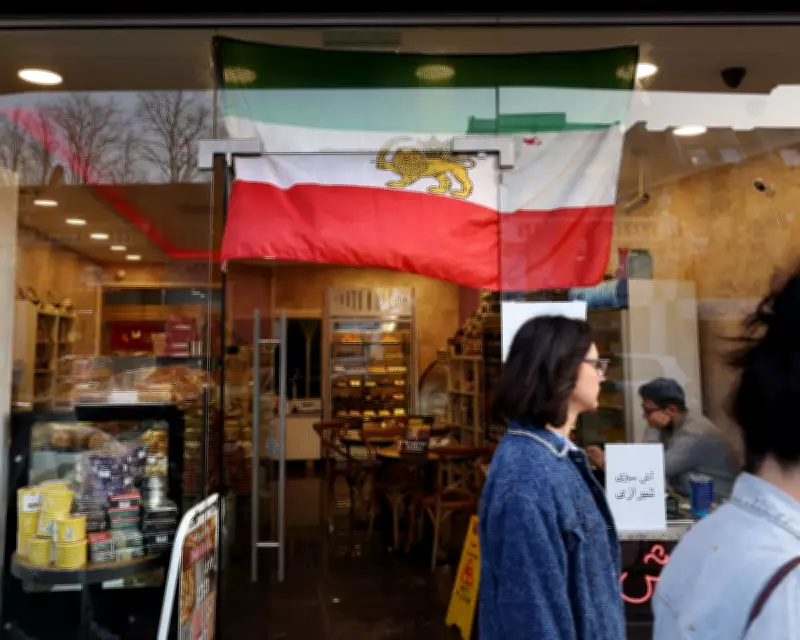
From Persian grocery stores and restaurants to cultural centers and art galleries, Iranian-owned businesses thrive in West London, contributing significantly to the local economy. However, some entrepreneurs express concern that the "Little Tehran" label might pigeonhole their offerings, potentially limiting appeal to a broader audience. They advocate for recognition that highlights their unique contributions without reducing them to a stereotypical niche.
Socially, the community fosters strong networks of support, with organizations providing assistance on issues ranging from language barriers to immigration advice. Yet, members stress that these efforts are part of a broader diasporic experience, not confined to a "little" version of another place. They point to collaborations with other ethnic groups in London as evidence of their integrated, multifaceted presence.
Cultural Identity in a Global City
London's status as a global metropolis means its neighborhoods often become melting pots of cultures, and the Iranian community is no exception. Residents celebrate this by organizing events like Nowruz (Persian New Year) festivities, which attract diverse crowds and showcase Iranian arts, music, and cuisine. Such activities, they argue, demonstrate a community that is proudly Iranian but firmly London-based, resisting simplistic geographic comparisons.
In interviews, younger generations particularly highlight their hybrid identities, navigating British and Iranian influences seamlessly. This fluidity, they say, makes labels like "Little Tehran" feel outdated, as it doesn't account for the evolving nature of diaspora communities in contemporary society.
Looking Forward
The debate over "Little Tehran" reflects broader conversations about identity and representation in multicultural cities. While the nickname may stem from a place of familiarity or affection, the Iranian community in London calls for more nuanced recognition. They emphasize that their story is one of resilience, adaptation, and contribution—a narrative that deserves to be told in its full complexity, beyond any single label.
As London continues to grow and diversify, such discussions remind us of the importance of listening to communities themselves when defining their spaces and identities. The Iranian enclave in West London, with its rich history and vibrant present, stands as a testament to the city's ability to embrace and celebrate cultural diversity in all its forms.