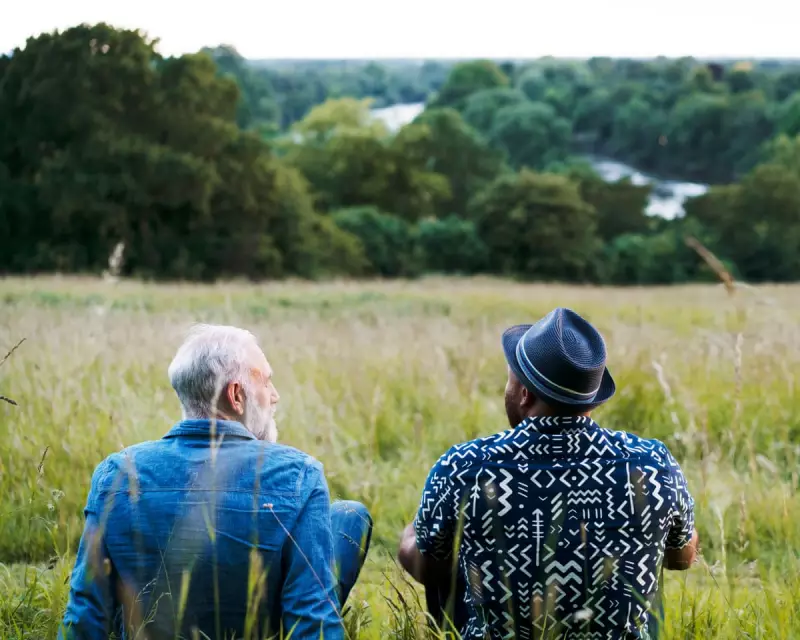
A recent Guardian column on the distinct nature of male friendships has prompted a wave of personal reflections from readers, highlighting how simple, shared tasks can forge connections where conversation alone may not.
The Power of Shared Action
In response to Gaby Hinsliff's piece on 6 January, Nick Jolliffe from Boston Spa, West Yorkshire, shared a telling anecdote. Despite living as neighbours since 2021 with virtually no interaction, a single afternoon spent jointly tackling an overgrown ivy plant last summer transformed their relationship. This collaborative act led to him learning the names of his retired neighbour's grandchildren and establishing a friendly rapport. "We now say hello in the village," Jolliffe wrote. "Occasionally he even stops for a chat. But that’s enough about that."
Defining the North: A Perennial Debate
The letters section also hosted a lively continuation of the debate about England's geographical and cultural boundaries. This followed Isabella Stone's letter of 8 January which corrected the placement of Ashbourne. Jane Gregory from Emsworth, Hampshire, contributed her own experience, recalling that when she met her husband from Ramsgate, he believed the north began at the Elephant and Castle in London. Her family roots in Birmingham, West Midlands, were erroneously classified as 'northern' by his family, underscoring the subjective and often contested nature of this national divide.

Brief Encounters and Lofty Goals
Other correspondents offered succinct observations. Rob Brown from Bristol proposed, with pointed irony, that all "freedom-loving" football nations should reschedule their World Cup matches to Canada or Mexico this summer. Meanwhile, Ian Arnott of Peterborough reminisced about the uniquely terse greetings he encountered after moving to Aberdeen from central Scotland in 1974, where a shopkeeper's welcome was often a brusque "Now?".
These collected letters paint a rich, miniature portrait of British social life, from the unspoken rules of male bonding and regional identity politics to the dry humour found in everyday interactions. They demonstrate how shared experiences, whether pulling down ivy or debating maps, remain fundamental to building community and understanding.