Embracing Trans Identity Through Movement and Performance
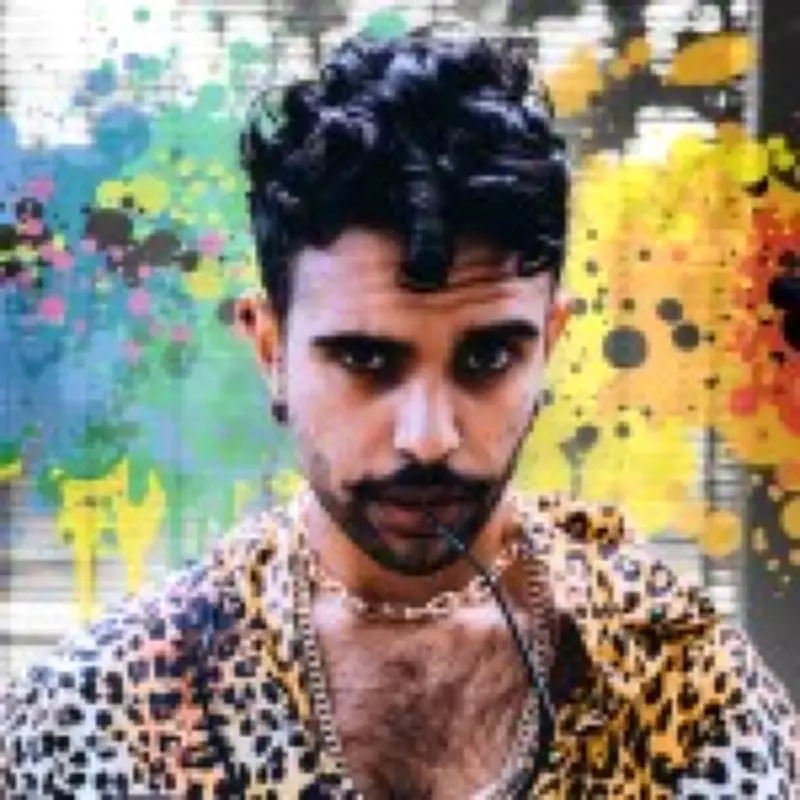
Sabah Choudrey stepped onto the stage wearing black shorts, a harness, and sunglasses, clutching a book as trans musician Planningtorock began a slow electro beat. Alongside fellow members of Spice Boys, a group of transmasculine go-go dancers, they read aloud, basking in the lights and turning pages with dramatic flair. As the music intensified with synthesizers and vocals, Sabah rose, stomping boots, raising fists, and twisting their body in a release of energy. Through movements like two-step and bhangra dancing, they connected with their body in ways free from gender constraints, feeling profoundly trans, visible, and beautiful—an epitome of gender euphoria.
The Significance of Trans Day of Visibility
International Transgender Day of Visibility, celebrated annually on March 31, was founded in 2009 by activist Rachel Crandall to highlight the joy and resilience of transgender and non-binary people, shifting focus from tragedy to celebration. In 2021, U.S. President Joe Biden formally recognized the day, underscoring its growing importance. For Sabah, this visibility is crucial, especially as they navigated their gender identity in their early 20s, transitioning from 'she/her' pronouns and a 'dyke' identity to embracing a trans-masculine umbrella with 'they/he' pronouns.
Overcoming body discomfort was a private daily struggle, but gender-affirming medical care in their mid-twenties transformed their relationship with their body. Sabah now navigates a new masculinity in a world that often favors certain body types, grappling with sexist double standards, such as the acceptability of being topless with a male-contoured chest. Choosing to showcase their body in trans-centred spaces has felt empowering and right.

A Year of Challenges for Trans Rights
Recent events have highlighted the ongoing struggles for transgender visibility and rights:
- April 16, 2025: The UK Supreme Court ruled that the legal definition of a woman is based on biological sex, asserting a binary concept of sex.
- June 1, 2025: The FA implemented a ban on trans women in women's football.
- December 2, 2025: Trans girls were banned from joining Girlguiding, with a mandate to leave by September 2026.
- December 3, 2025: The Women's Institute announced it would no longer accept trans women as members from April, citing the Supreme Court ruling.
- March 9, 2026: NHS England paused new referrals for masculinising or feminising hormone treatment in under-18s.
- March 26, 2026: The Olympics announced a transgender ban in all women's sports.
The Birth of Spice Boys: Challenging Norms in Queer Spaces
In 2019, Sabah's friends Krishna Istha and Kasra Jalilipour conceived Spice Boys in response to the dominance of cisgender male go-go dancers in queer clubs, who often platform skinny, white, hairless bodies and perpetuate exclusionary beauty standards. Not seeing hairy, brown, gender non-conforming bodies like their own represented, they aimed to create change, inviting Sabah to join. Inspired by the Spice Girls, they adopted playful personas: Salty Spice, All Spice, Chocolate Spice, and Soft Spice (the 'diversity hire,' who is white), with Sabah as Haram Spice, known for extra garlic, boxing with a limp wrist, and embracing a 'bad Muslim' identity.
After a saucy photoshoot, they created a flyer offering 'topless trans boys to spice up your life, party, funeral, wedding,' highlighting skills like stripping, dancing, poetry, and more. Their first gig at 'And What? Queer Festival' in London in March 2020 saw Sabah and Soft Spice perform in matching zebra print boxer shorts. Despite initial nerves and gender dysphoria, Sabah affirmed, 'You are more than your gender and your gender is more than your body,' leading to a liberating performance with props like tins of baked beans and macarena routines.

Growing Confidence and Community Impact
Since that debut, Spice Boys have become regulars at events like 'Butch Please!' and 'The Chateau,' with memorable moments such as dancing with musician Tom Rasmussen at 'Meltdown Festival' at Southbank. Sabah has cultivated a unique confidence, distancing from fitness or diet culture and cishet body norms, and finding joy in moments of self-expression. Backstage in green rooms, they share safe spaces with other trans people, filled with affirming compliments, excitement, and glitter.
Onstage, the group feels unstoppable, aiming to showcase gender non-conforming bodies having fun without conforming to narrow standards of sexiness. By pushing boundaries on who gets platformed, Sabah feels proud to call themselves a Spice Boy, celebrating visibility and resilience in the face of adversity.