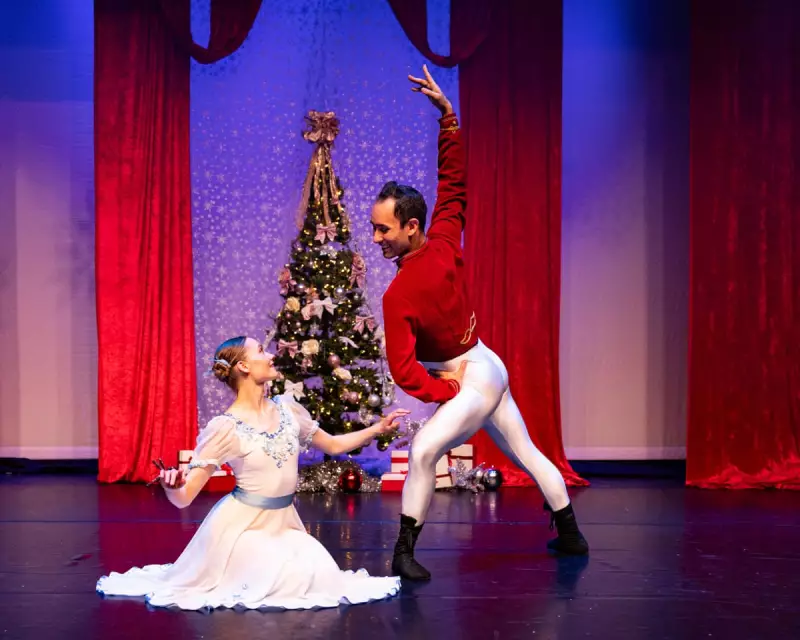
The magic of a child's first encounter with ballet, like a production of The Nutcracker, can create a lifelong memory. Yet, against a backdrop of prolonged arts funding cuts, such experiences are becoming a privilege for the lucky few, rather than a staple of every child's upbringing in Britain.
The Natural Joy of Movement vs. Systemic Barriers
Children are instinctive dancers, finding joy and expression in movement, whether in a school playground or a theatre seat. Witnessing a young child's face light up with recognition as Tchaikovsky's iconic score begins is a powerful reminder of art's universal appeal. However, systemic barriers are depriving many pupils of this natural outlet.
A damning 2023 Ofsted report on physical education highlighted a significant gap, noting that in two-thirds of schools inspected, dance was not taught to all pupils or was poorly organised. This failure to meet the national curriculum's ambition creates a particular disadvantage for children from deprived backgrounds, for whom school may be their only access point to the cultural sphere.

Grassroots Hope and National Policy Shifts
Amid the concerning landscape, grassroots companies provide a beacon of hope. Let's All Dance, which tours child-friendly ballets, emphasises accessibility, with tickets for their 2025 Nutcracker starting at £10 and a scheme to donate tickets to low-income families. Their relaxed performances for children with special needs have proven profoundly impactful, demonstrating that professional ballet can and should engage everyone.
Beyond London, initiatives like Suffolk's DanceEast use digital streaming to bring dance-based science and PSHE lessons to rural primary schools, while Cheshire Dance delivers cross-curricular projects in the north-west. Crucially, a recent reprieve saw the Department for Education continue funding student bursaries for the National Centres for Advanced Training in Dance, safeguarding a vital pathway for 10- to 18-year-olds from all backgrounds.
A New Chapter for Creative Education?
The most significant cause for optimism may be a shift in educational policy. The November 2025 curriculum report shows a much better recognition of dance as a 'creative discipline' rather than just physical activity, encompassing choreography and performance. This aligns with feedback from programmes like The Place's work in Camden, where teachers reported improved focus, concentration, teamwork, and confidence in pupils after dance engagement.
After years of cuts, there is a growing expectation that the government will strengthen its commitment to creative education in all forms. Ensuring every child has the chance to experience the 'hidden language of the soul'—be it in a theatre, a classroom, or a playground—is not an elitist pursuit, but a fundamental aspect of a rich and inclusive childhood.