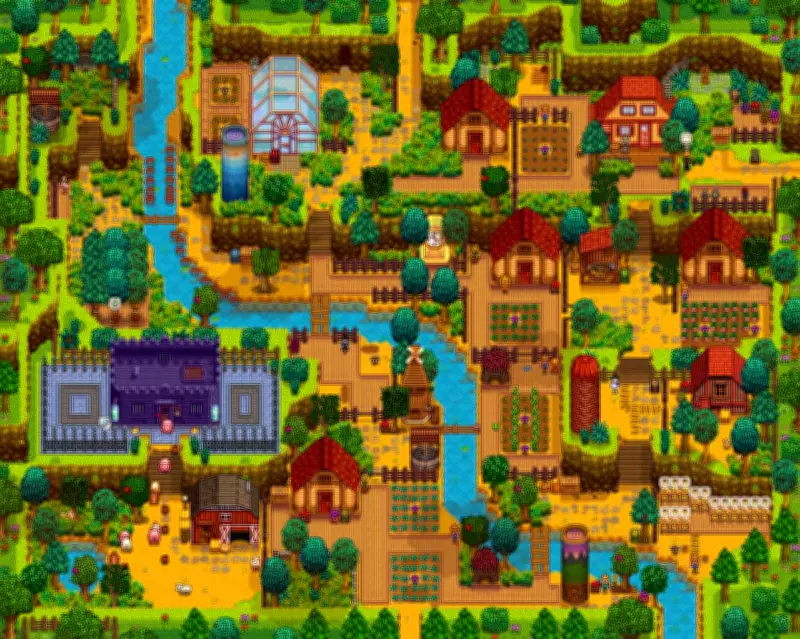
As Stardew Valley marks its monumental 10th anniversary, this beloved farming simulation game continues to captivate players worldwide with its unique blend of relaxation and social commentary. Originally developed by a single creator, Eric Barone, the game has evolved into a cultural touchstone, celebrated not just for its gameplay but for its profound impact on mental health and artistic communities.
The Anti-Capitalist Underpinnings
At its core, Stardew Valley offers a compelling critique of modern capitalism. Players escape the drudgery of a corporate job to inherit a dilapidated farm in a rural town, where they can cultivate crops, raise animals, and build relationships at their own pace. This narrative resonates deeply in an era marked by economic pressures and workplace burnout, providing a virtual sanctuary from the relentless grind of profit-driven societies.
The game encourages sustainable living and community cooperation over cutthroat competition, subtly challenging capitalist norms. By focusing on self-sufficiency and environmental stewardship, it promotes values that contrast sharply with the hyper-consumerism often seen in other media. This anti-capitalist ethos has struck a chord with millions, making it more than just a pastime—it's a form of digital resistance.

A Remedy for Burnout
Stardew Valley has gained acclaim for its therapeutic qualities, particularly in addressing burnout. The game's slow-paced, open-ended structure allows players to unwind without the stress of deadlines or high-stakes challenges. Research and anecdotal evidence suggest that engaging with such simulations can reduce anxiety and improve mental well-being, offering a much-needed escape from the fast-paced demands of daily life.
Players often report feeling a sense of accomplishment and calm as they tend to their virtual farms, fostering mindfulness and reducing symptoms of exhaustion. This has led to its recognition as a tool for self-care, with communities forming around shared experiences of healing through gameplay. In a world where burnout is increasingly common, Stardew Valley serves as a gentle reminder to prioritize personal health and happiness.
Inspiring Queer Artistic Expression
Beyond its anti-capitalist themes, Stardew Valley has become a catalyst for queer artistic expression. The game features inclusive character options and relationships, allowing players to explore diverse identities and romances in a supportive setting. This representation has empowered LGBTQ+ individuals to create fan art, mods, and stories that reflect their own experiences, enriching the game's cultural legacy.
Artists and writers have drawn inspiration from the game's themes of acceptance and community, producing works that celebrate queer love and resilience. This creative output has fostered a vibrant online community where marginalized voices can thrive, turning Stardew Valley into a platform for social change. By normalizing queer narratives in a mainstream context, the game challenges traditional norms and inspires a new generation of creators.
As Stardew Valley enters its second decade, its influence shows no signs of waning. With ongoing updates and a dedicated fanbase, it continues to offer solace and inspiration in an often turbulent world. Whether as a critique of capitalism, a balm for burnout, or a muse for queer art, this game proves that virtual worlds can have real-world impact, shaping how we think about work, health, and identity.