The Sartorial Shift at Melbourne Park
Something remarkable is unfolding in the fashion landscape of the Australian Open, where the boundaries between sporting event and style showcase are becoming increasingly blurred. Beyond the official partnerships with luxury brands like Rolex, Louis Vuitton and Polo Ralph Lauren, visitors to Melbourne Park are embracing a new era of courtside dressing that combines comfort with sophistication.
Elevated Spectator Style
The transformation is visible throughout the grounds, where men sport tailored knee-length shorts paired with leather loafers and softly textured button-down shirts. Women favour pretty mid-to-ankle length dresses complemented by practical sneakers or flat sandals. While the overall aesthetic maintains a preppy sensibility – with jumpers casually tied around shoulders and T-shirts neatly tucked into high-waisted trousers – the atmosphere feels decidedly more inclusive than the exclusive country-club environments traditionally associated with tennis.
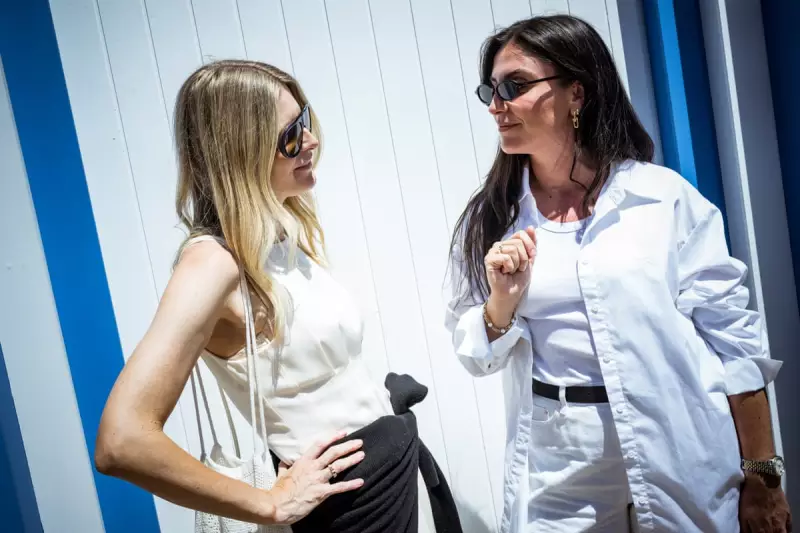
Georgina Jeffries, an interior designer who attends the Australian Open annually, observes: "The fashion is so much more elevated than it has ever been. All of the events, the hospitality on offer, and the overall experience has advanced enormously, elevating the crowd as well." Her own outfit – a cream mid-length dress with a black knit tied at the waist and mesh Mary-Jane ballet flats – captures this sophisticated yet accessible mood, reminiscent of 1990s New York style icon Carolyn Bessette Kennedy but without the associated elitism.

Strategic Festivalisation
This sartorial elevation hasn't occurred by chance. Tennis Australia's chief executive Craig Tiley has deliberately pursued a strategy of "festivalisation" to attract broader audiences, with remarkable success. This year has seen record-breaking attendance, averaging 100,000 visitors daily during the opening five days. The atmosphere buzzes with social energy, where tennis serves as an appetiser to leisurely gatherings outside the courts, featuring Shake Shack burgers, Aperol spritzers and casual networking.
Sian Redgrave, a chef from Sydney dressed in fashionable all-white – jeans and a shirt over a singlet, accessorised with a black leather belt and fishermen's sandals – notes: "It's the merger of fashion and sport. People are definitely dressing up more. It's really an event, which is nice for Australia."
Fashion Industry Embrace
The convergence of fashion and sport has attracted significant attention from both local and international designers. Luxury brand Gucci, whose ambassadors include top-ranked players Jannik Sinner and Aryna Sabalenka, hosted an influencer dinner before the tournament. Sport brand Reebok launched a new collection fronted by Mia Hewitt and India Rafter, daughters of Australian tennis legends Lleyton Hewitt and Pat Rafter.
Local designers have equally embraced the opportunity, with Viktoria & Woods collaborating with US tennis brand Wilson on a pop-up at their Emporium boutique, while another Australian label, Henne, has dressed tennis WAGs Paige Lorenze and Sophia Sinacola. The cosmetic conglomerate Mecca has established a three-story, hot pink retail activation on site, further emphasising the event's fashion credentials.
Contrast with Racing Culture
The Australian Open's fashion evolution presents a striking contrast to the Spring Racing Carnival, where polyester cocktail dresses and stilettos traditionally dominate. While horse racing once represented a premier fashion event, its cultural relevance has diminished significantly, with Racing Victoria reporting substantial financial losses and declining attendance. Notably, not a single fashion brand maintains an official relationship with the Spring Racing Carnival today.
Freya Lewis, a fashion student from Melbourne, captures the Australian Open's appeal: "The tennis is good because it brings everyone together. There's no specific dress code, so it gives people free rein to express themselves. You don't have to be super fancy; you can be a bit more casual, more chic." Her pale blue floor-length dress with comfortable shoes mirrors the style championed by two-time Australian Open winner Naomi Osaka, whose recent collaboration with Nike and designer Robert Wun generated global fashion discussion.

The New Sporting Aesthetic
If the races represent a nightclub atmosphere, the Australian Open embodies a sophisticated long lunch. The practical considerations are evident: no heels sinking into grass, no shivering in unpredictable weather, no restrictive dress codes. Breathable fabrics, layered styling, tailored trousers and sensible shoes create an environment where T-shirts, cargo shorts, Birkenstocks and caps coexist comfortably alongside linen shirts, silk dresses and lightweight blazers.
This inclusive approach to spectator fashion, combined with strategic event development and industry partnerships, has transformed the Australian Open into more than just a sporting competition – it has become a celebration of Australian style where sport and fashion merge seamlessly, creating an accessible yet elevated experience for all attendees.