

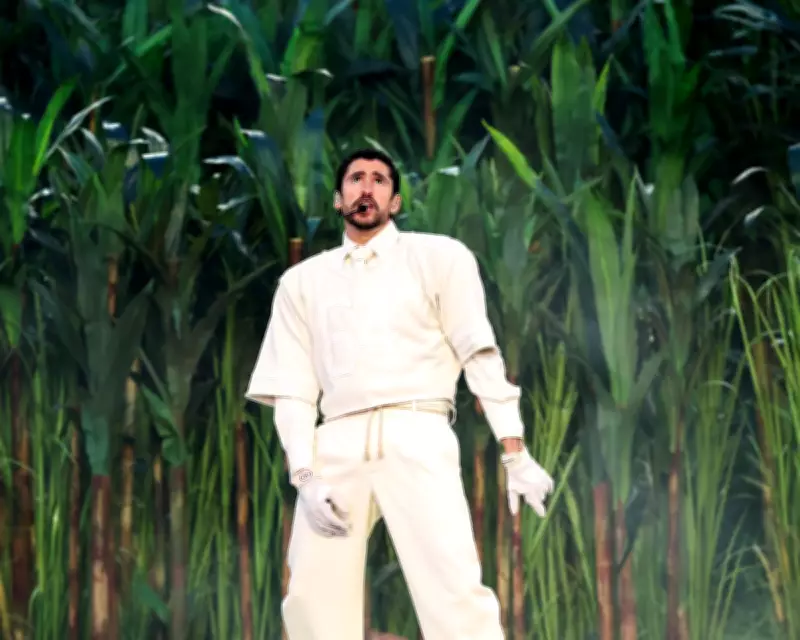
Bad Bunny's High Street Fashion Triumph at Super Bowl Halftime
In a stunning departure from the expected luxury fashion parade, Puerto Rican megastar Bad Bunny made a powerful statement during his Super Bowl halftime performance by wearing not one but two custom outfits from Spanish high street brand Zara. The performance, which took place at Levi's Stadium in Santa Clara, California, became a thrilling celebration of Boricua joy and cultural identity.
A Deliberate Fashion Choice
As the most-watched television event in the United States, the Super Bowl halftime show has traditionally served as a prime marketing opportunity for luxury fashion houses. From Rihanna's pregnancy reveal to Kendrick Lamar's memorable denim ensemble, the thirteen-minute showcase has typically been dominated by high-end designer wear.
However, Bad Bunny, who holds the title of Spotify's most-streamed artist in 2025, deliberately chose to challenge this convention. The musician, known for his visual sophistication and fashion-forward approach, selected Zara for television's biggest stage, suggesting that couture is no longer the automatic choice for pop's elite performers.

The Zara Ensemble Details
Styled by Storm Pablo and Marvin Douglas Linares, Bad Bunny's first look featured a collared shirt and tie paired with cropped off-white trousers, Adidas Resilience trainers, and a cropped padded football jersey bearing the name "Ocasio" across the back. This ensemble was worn during the opening segment of his performance, which featured a sugar cane field setting and dancers dressed as jibaros, Puerto Rico's rural farmers.
The number 64 prominently displayed on the jersey sparked considerable online speculation, with theories ranging from it representing the year of his mother's birth to referencing the US Congress that granted citizenship to Puerto Ricans in 1917. According to Complex magazine, the number actually represented his uncle's football jersey number.
The Statement Suit
For his duet with Lady Gaga, Bad Bunny re-emerged wearing a broad-shouldered suit and tie in the same off-white shade, confirming Zara's involvement in both looks. While a standard Zara suit would typically retail for approximately £250, both of Bad Bunny's ensembles were bespoke creations.
Andrew Groves, Professor of Fashion Design at the University of Westminster, commented on the significance of this choice: "The suit still communicates authority, but that authority now derives from Bad Bunny's cultural position rather than a luxury house's endorsement. Though not a zoot suit, it employs similar proportional logic—using exaggerated volume as a means for Black and Latino communities to claim public space when visibility has historically been policed."
Groves added: "On a stadium stage, this reads as controlled presence rather than mere decoration. Zara appearing on a Super Bowl stage represents a significant statement about shifting power dynamics within fashion."
Cultural References and Collaborations
The performance was rich with cultural symbolism. Lady Gaga wore a custom blue pleated ruffle dress featuring a flor de maga brooch—Puerto Rico's national flower—created by New York-based label Luar, overseen by Dominican designer Raul Lopez. The brooch incorporated the colours of the Puerto Rican flag.
The set design featured a pink casita, inspired by the traditional candy-coloured homes found throughout Puerto Rico. Some dancers wore knitted outfits from Puerto Rican designer Jomary Segarra's brand, Yo+, further emphasising the celebration of Puerto Rican culture and craftsmanship.
Fashion as Cultural Statement
Super Bowl halftime performances have increasingly become platforms for cultural and political statements. Beyoncé's 2016 Formation show, with its homage to the Black Panthers, generated global headlines and demonstrated the power of these performances to communicate beyond entertainment.
Following his "ICE out" statement at the Grammy Awards the previous week, there had been speculation that Bad Bunny might make a more overt political statement during his Super Bowl appearance. While he didn't wear an Ice Out pin, his choice of accessible fashion from Zara represented a different kind of statement—one about accessibility, internationalism, and the democratisation of style.

With its affordable interpretations of runway trends, Zara represents budget-friendly chic while highlighting the fashion industry's runway-to-high-street pipeline. Bad Bunny's decision to wear the brand on pop music's biggest stage signals a shift toward a more inclusive, multilingual, and internationally accessible pop culture landscape.
The fluid cut of his Zara suit even drew comparisons to Francisco Goya's anti-war masterpiece, The Third of May 1808, which depicts a Spanish civilian wearing a billowing white shirt facing a French firing squad—adding another layer of artistic and historical resonance to the performance.





