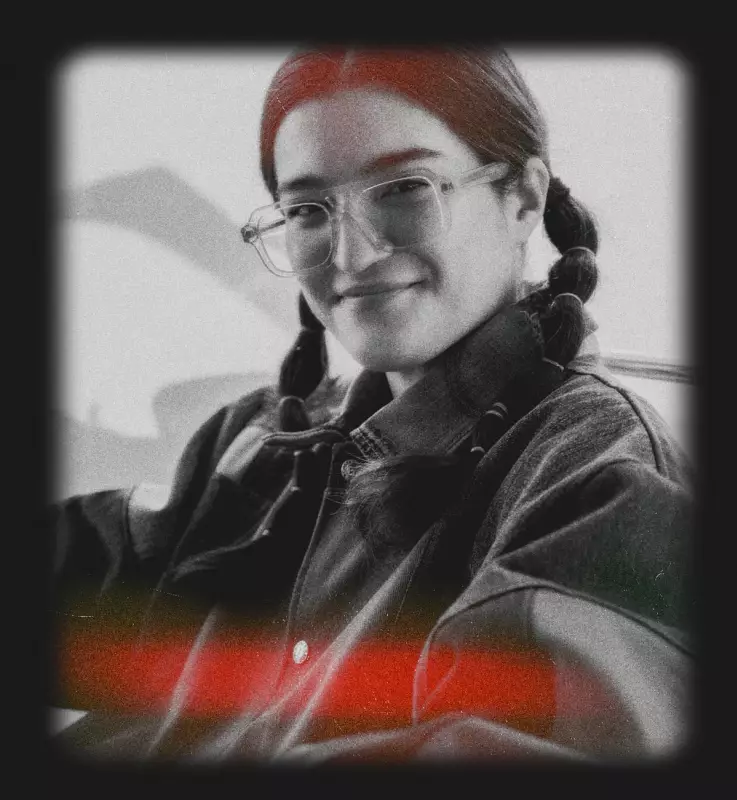
When Arabelle Sicardi describes beauty as "a monster", they mean it as both warning and endearment. The acclaimed beauty writer and consultant has spent a decade investigating the $450 billion global beauty industry, uncovering both its glittering surface and disturbing depths in their groundbreaking new book, The House of Beauty.
The Beauty Monster Unveiled
Sicardi, who divides their time between New York City and Los Angeles, brings formidable credentials to this exposé. With experience as a BuzzFeed beauty editor and founder of creative projects including Perfumed Pages and the Museum of Nails Foundation, they've witnessed the industry's dual nature firsthand. Their departure from BuzzFeed came after publishing criticism of an advertising campaign and facing subsequent backlash - a scenario they note still regularly silences critical voices in beauty journalism today.
The House of Beauty opens with an unconventional "choose your own adventure" chapter that immediately immerses readers in the complex web of beauty product manufacturing, marketing and sales. "I wanted to showcase how complicated and interconnected the beauty industry is to so many other industries," Sicardi explains. The structure deliberately shatters expectations about beauty writing while confronting readers with harsh realities including worker deaths and child labour.

Fascism's Fashionable Face
One of the book's most startling revelations concerns Coco Chanel's Nazi connections. Sicardi meticulously documents how the fashion icon had a Nazi lover and attempted to use Nazi laws to seize control of her perfume business from its Jewish owners. "I've always been fascinated with the story of Chanel," Sicardi admits, "because I didn't really understand why this huge part of her history was swept away."
The investigation reveals how Chanel grew up in antisemitism that was "pretty normal and normalized" for her time. Rather than using her influence for positive change, she remained within her privileged bubble, aligning with those who shared her prejudices. Sicardi suggests this historical example resonates uncomfortably with contemporary patterns where fashion, beauty and fascism continue to intersect.
Community Amidst the Chaos
Despite exposing the industry's darkest aspects, Sicardi maintains genuine appreciation for beauty's power to build community and provide care. They describe monthly nail appointments as "one of the only indulgences I could afford" in their early twenties and have organised mutual aid fundraisers using beauty products from magazine closets to support bail funds, abortion access and immigrant legal services.
Americans currently spend approximately $3,342 annually on beauty services and cosmetics, raising difficult questions about ethical consumption in an industry where basic items like soap remain necessities. Sicardi offers pragmatic advice rather than perfectionist solutions: avoid single-use products like sheet masks, choose bar soap over liquid alternatives, and simplify skincare routines.
"You can DIY your own products for the rest of your life and recycle properly," they note, "and it will still not make a dent in comparison to Elon Musk's personal habits over the course of an hour." Rather than individual martyrdom, they advocate collective action and knowledge sharing within communities.
After years immersed in the industry's worst atrocities, Sicardi concludes with a message of hope and care. "Beauty is terror but it's also an act of care, and that matters as much," they reflect. This balanced perspective makes The House of Beauty essential reading for anyone seeking to navigate the complex landscape of modern beauty with both eyes open.