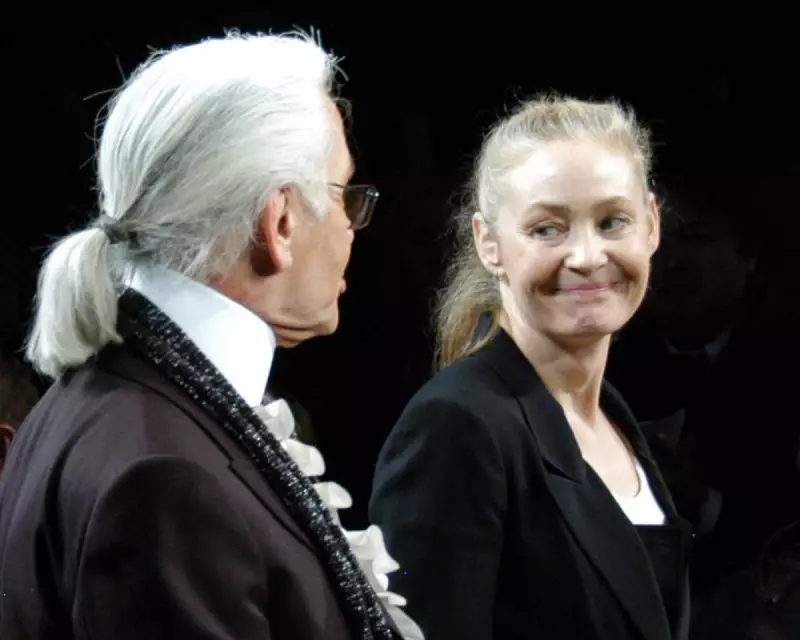
The fashion world mourns the loss of Melanie Ward, the revolutionary stylist who helped define 1990s fashion aesthetics and challenged decades of glamour-dominated style. Ward died from cancer on 22nd October 2025, aged 64.
The 1990s Fashion Revolution
During the 1980s, fashion magazines predominantly celebrated couture revival, luxury goods and perfect models in ideal settings. This glossy orthodoxy showed little interest in youthful streetwear or inventive styling that appealed to younger, less affluent audiences.
Ward emerged from London's college scene in the late 1980s, working with influential publications including The Face and i-D magazines. These titles had roots in music and pop culture rather than traditional fashion, providing the perfect platform for Ward's groundbreaking approach to styling.

Her work represented a decisive break from fashion's established norms, rejecting glitz and glamour in favour of everyday, informal outfits that felt authentic and relatable.
The Iconic Kate Moss Photoshoot
Ward's most famous contribution came in July 1990, when she created The Face magazine's revolutionary "3rd Summer of Love" cover and photo sequence. While photographer Peter Lindbergh was capturing tanned supermodels in Santa Monica wearing pristine white linen shirts, Ward took a radically different approach.
She collaborated with photographer Corinne Day to shoot the then-unknown 16-year-old Kate Moss at Camber Sands on England's south coast. The location was deliberately unglamorous, and Ward dressed Moss in what she described as "some mine, some vintage, customised, even some designer" pieces, complete with unfashionable Birkenstock sandals and a feather head-dress.
The resulting images showed Moss grinning, occasionally goosebumped from the chill, having what appeared to be a cheap good time in clothes that seemed to come from her own wardrobe. This approach created fashion photography that was, in contemporary terms, highly relatable.
Transforming the Stylist's Role
Ward fundamentally changed what it meant to be a fashion stylist. Previously considered primarily fixers, gofers and dogsbodies for fashion shows and photoshoots, stylists under Ward's influence became as crucial to creating imagery as photographers themselves.
She described her method as "character-driven," aligning her approach more closely with movie costume design than traditional fashion editing. Ward believed in "a democratic freedom to express yourself, be different and also be true to yourself."
Her styling philosophy involved:
- Mixing high and low fashion, from designer pieces to Oxfam shop finds
- Customising and creating her own garments
- Observing how ordinary Londoners combined different cultural elements in their dress
- Prioritising attitude over perfection in her models
Journalist Marion Hume noted in 1993 that Ward herself "did not look important... smart and shiny no longer means power. Watch the person who looks thrown together... who has no passing acquaintance with a comb."
Industry Recognition and Major Collaborations
Ward's anti-glamour aesthetic quickly became the dominant mode in fashion. Her influence attracted attention from major designers, including Calvin Klein and Jil Sander. Perhaps most significantly, designer Helmut Lang sent a fan letter that eventually reached Ward, beginning a 13-year creative partnership.
During this collaboration, Ward served as Lang's muse and creative partner, working on advertising campaigns with photographer David Sims. Her contributions were practical and transformative - she once bought Lang a pair of boy's black school uniform trousers from John Lewis to recut, creating the "boy-tailored pants" that became a Lang signature.
Throughout her career, Ward styled shows and advertisements for numerous major fashion houses including Chanel, Dior, Lanvin, Armani, Gucci, Versace and Prada. She also served as creative director for Karl Lagerfeld's own line and produced work for brands including Nike, Levi's and Apple.
In 1995, the fashion establishment formally acknowledged her influence when US Harper's Bazaar appointed her as senior fashion editor, a position she held until 2009.

Early Life and Lasting Legacy
Born in Whitechapel on 17th June 1961, Ward developed her distinctive perspective on fashion from London's East End. Her father, Les Ward, worked in retail, while her mother Honor was a headteacher whom Ward credited with inspiring her lifelong interest in clothing.
After attending Ursuline high school in Ilford, where she recalled being "enthusiastically naughty at the convent," Ward earned a London University degree in politics and languages before recognising her true calling lay in fashion.
She studied at Central Saint Martins, winning an award for daywear, and briefly launched her own ready-to-wear label, Blouson Noir, in 2010, though she never enjoyed the manufacturing side of the business.
The fashion industry formally recognised Ward's contribution in 2000 when the Victoria & Albert Museum's Imperfect Beauty exhibition placed her name as stylist alongside photographers' names in captions - a significant breakthrough acknowledging the creative importance of styling.
Melanie Ward is survived by her father. Her legacy endures in every fashion image that prioritises authenticity over perfection, character over glamour, and personal expression over prescribed style.