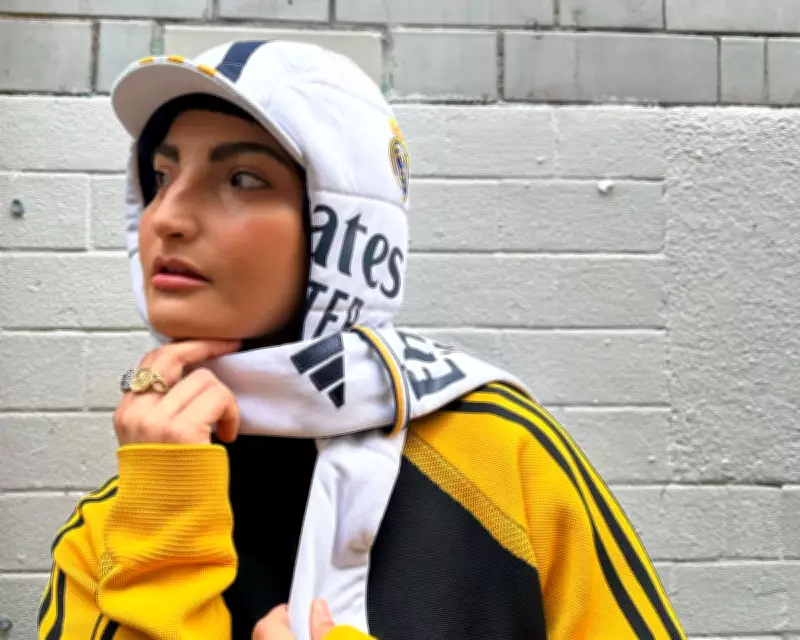
Designers Transform Football Shirts from Landfill to Fashion
The beautiful game faces an ugly environmental challenge with its fast fashion culture, where clubs release multiple kits each season, leading to massive waste. However, a growing movement of designers is creatively upcycling old football shirts into unique fashion pieces, offering a stylish solution to this pressing issue.
The Scale of Football's Fast Fashion Problem
Football's relentless kit cycles generate staggering waste. Uefa estimates that up to 60% of player-worn kits are destroyed after each season, while over 1 billion shirts circulate globally, many discarded when players transfer clubs. This creates approximately 100,000 tonnes of sports kit ending up in UK landfills annually—equivalent to 951 shirts per minute.
Modern shirts typically use virgin polyester, a petroleum-based plastic that releases microplastics when washed and takes centuries to decompose. Clubs like Bayern Munich now release about 20 kits every four years, compared to just three in the early 1990s, exacerbating overproduction.

Creative Upcycling Initiatives Leading Change
Designers are transforming this waste stream into fashion statements. Hattie Crowther's Soft Armour project creates sculptural headpieces from existing shirts, reframing disposable products with cultural relevance. "I'm not here to add more products into the mix," Crowther explains, "I'm here to reframe what's already in circulation and give it meaning, context, and longevity."
Vintage Threads offers a rework service converting old shirts into custom pieces like shirred tops (£180) and leather jackets (£525). Their head of rework, Caitlin Finan, notes particular interest from women seeking better-fitting alternatives to baggy shirts. "It makes it a little bit cuter," she observes, highlighting how upcycling addresses both style and sustainability.
The Environmental and Economic Benefits
Extending a shirt's life by just nine months can reduce its carbon, water, and waste footprint by up to 30%, according to Green Football's campaign. Their 2025 Great Save initiative promotes swapping, donating, and repurposing kits to prevent landfill waste.
Football and fashion journalist Felicia Pennant argues that reworked shirts directly tackle environmental waste from seasonal kit releases. Meanwhile, the pre-loved market thrives, with Depop searches for vintage kits rising 38% recently, fueled by celebrity endorsements like Kim Kardashian wearing a Roma 1997/98 shirt.
Towards a Circular Football Economy
Consultant Joanna Czutkowna of 5Thread advocates integrating circular economy principles into football's ecosystem. "Why sell your shirt once when you can sell it five or six times?" she questions, suggesting clubs could support in-house upcyclers rather than one-off projects. The Ellen MacArthur Foundation estimates circular business models could generate $700 billion for global fashion by 2030.
Some clubs are already embracing this approach. Brighton partnered with sustainable brand FC88 to create accessories from misprinted youth shirts. Founder Nicole Bekkers notes that when clubs see financial and engagement benefits, it sparks broader discussions about production volumes and circular design. "The real impact comes when sustainability is aspirational, collectible and desirable," she emphasizes.
Personal Stories and Cultural Shifts
Beyond environmental benefits, upcycled shirts carry personal and cultural significance. Gary Bierton of Classic Football Shirts observes that "every shirt has a story," whether it's club heritage or simply appealing colours. Initiatives like Nottingham Forest Community Trust's workshop, where children transform shirts into tifos, embed climate consciousness in football culture.
As designer Crowther's headpieces demonstrate with Arsenal, Liverpool, and PSG elements, upcycling can create beautiful, meaningful fashion while addressing football's waste crisis—proving sustainability can be both stylish and impactful.