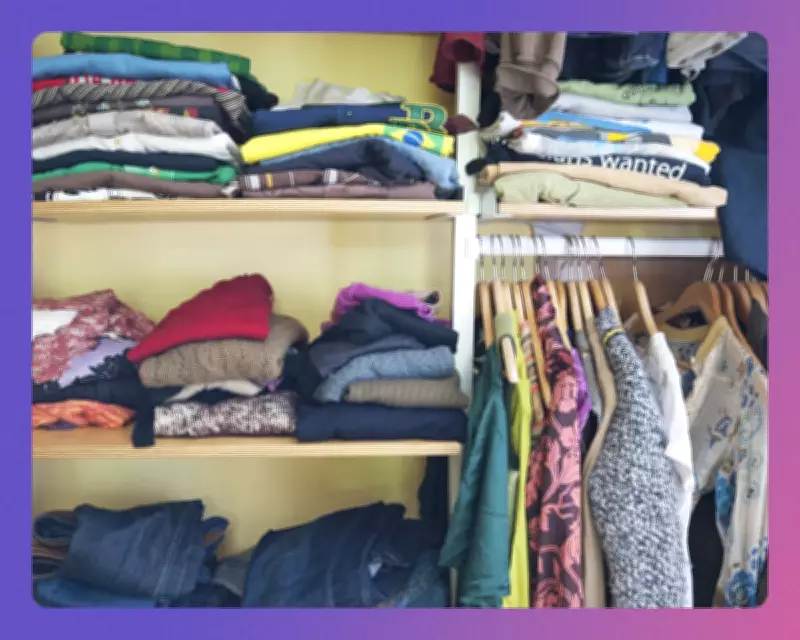
Slimming down your wardrobe is a common new year's resolution, but ensuring it doesn't harm the environment requires careful consideration. With textile recycling bins overflowing across the UK, many are realising that simply donating clothes isn't always the eco-friendly solution we assume. Experts warn that our well-intentioned clearouts can inadvertently contribute to pollution and waste colonialism, where excess garments end up in landfills or are exported to countries like Ghana, Kenya, and Uganda.
The Problem with Donating Unwanted Clothes
According to Aja Barber, author of Consumed, the overproduction of clothing means that donated items often don't get resold. Instead, they may become part of a waste chain that creates significant environmental damage. This highlights the need for more thoughtful approaches to wardrobe management, especially as we seek to pass on items we no longer wear.
How to Clear Out Your Wardrobe Responsibly
Resell Your Preloved Items
A recent report indicates that two-thirds of British consumers bought preloved goods online in 2024, driven by cost-of-living concerns and environmental awareness. Selling clothes can clear space and earn extra cash. Brett Staniland, a sustainable fashion advocate, recommends platforms like Vinted for ease of use, while niche brands may perform better on Marrkt.

Amy Bannerman, eBay UK's preloved style director, advises using hook words like 'rare' in listings and providing strong visuals in natural light. She suggests comparing prices with similar items and listing in bursts to increase visibility. Quality items, such as luxury handbags, jewellery, hats, shoes, and knitwear, tend to sell quickly, with natural fibre classics being particularly popular.
Donate Wisely to Charity Shops
Charity shops offer convenience and support for causes, but they should not be used as dumping grounds. Jen Graham, known as Charity Shop Girl, notes that unsellable donations cost charities money to dispose of. Avoid donating dirty, stained, or damaged clothes. Instead, pack items carefully in bags and focus on quality pieces like trainers, accessories, and work shoes that are in good condition.
Repair Instead of Replacing
Not everyone has the skills to mend clothes, but services like the Seam can connect you with local repair specialists. Layla Sargent, founder of the Seam, explains that many repair businesses operate offline, making them hard to find. Platforms like Sojo offer door-to-door alterations, while the Boot Repair Company in Leeds handles postal repairs nationwide. Often, items that seem unwearable can be restored with the right expertise.
Recycle Textiles Properly
Globally, only 1% of textiles are recycled into new products, with most ending up in landfill or downcycled. However, initiatives like Teemill's Remill programme on the Isle of Wight recycle 100% cotton clothing into new garments, having processed over 14,000kg in 2025 alone. For mixed items, Reskinned partners with brands to ensure nothing goes to landfill through its Takeback scheme.
Restyle and Repurpose Old Garments
If you're in a style rut, try restyling existing items before buying new. Bannerman suggests identifying gaps in your wardrobe and investing in one key piece, like a blazer, to update everything. For items beyond repair, consider transformation services. The Loom app can turn a wedding dress into everyday wear, while Re_Considered uses waste textiles to create custom products like candlestick holders.
By adopting these smarter, greener strategies, you can enjoy a guilt-free wardrobe clearout that benefits both your space and the planet. Remember, every small step towards sustainable fashion helps reduce the environmental impact of our clothing choices.