The traditional sports marketing landscape, once dominated by giants like Nike, adidas and Under Armour, is undergoing a radical transformation as high-fashion brands increasingly infiltrate the world of sport.
The New Playing Field: Fashion Meets Sport
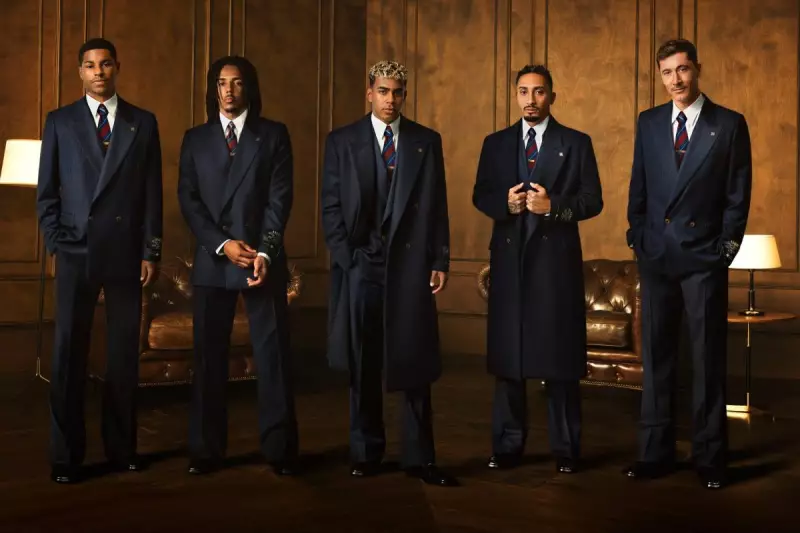
This strategic shift manifests in multiple forms across the industry. Luxury fashion house Amiri recently partnered with FC Barcelona for official club formalwear, while streetwear labels have launched limited capsule collections with major clubs including Arsenal x Aries, AC Milan x Off-White and the surprising Manchester United x Balenciaga collaboration.
Athletes themselves are driving this trend through personal ventures like Serena Williams' Aneres line and Cristiano Ronaldo's CR7 brand. Meanwhile, sports stars increasingly serve as global ambassadors for luxury houses, with Emma Raducanu representing Dior and Tottenham's Son Heung-min fronting Burberry campaigns.

Mike Amiri, founder of the eponymous fashion house, perfectly captured the synergy: "Soccer and fashion share a spirit, born from passion, precision, and creativity. Each is about mastering your craft and expressing who you are through movement and form."
Why Fashion Became Sport's New MVP
This crossover delivers strategic benefits for all parties involved. Sports clubs evolve from on-field teams into global lifestyle brands, engaging existing supporters while attracting crucial younger demographics from Generation Z and Alpha who value 'hype-drops', scarcity and cross-cultural entertainment.
Fashion brands gain immediate access to passionate sporting communities, securing new revenue streams and achieving mass global relevance through the authentic belonging that only sport can provide.
For fans, these off-pitch collections strengthen loyalty by offering personal expressions of team identity beyond the matchday experience. Each new collaboration provides fresh, non-game-related content for engagement across social platforms like TikTok and Instagram.
Blokecore and Women's Sport Lead the Charge
TikTok has significantly accelerated the football-fashion crossover, driving trends like Blokecore – pairing football jerseys with baggy trousers and sneakers. The platform has propelled retro football shirts into the Gen Z market, particularly among women reclaiming apparel once heavily associated with male-dominated sports culture.
The rise of women's sport presents a crucial new investment area for fashion, fuelled by a merchandise market estimated at $4 billion annually according to Sports Innovation Lab and Klarna data. High-profile collaborations like WNBA x Skims and Arsenal x adidas x Stella McCartney demonstrate how women's sport is reshaping conversations around style, culture and influence.
Formula 1 exemplifies a sport successfully leveraging fashion to boost cultural relevance. The appointment of A$AP Rocky as Creative Director for the Puma/F1 partnership represented a strategic move into high-fashion and streetwear. Similarly, Lewis Hamilton's co-design role with Tommy Hilfiger transformed the Mercedes paddock into a global fashion moment, contributing to Formula 1's impressive 12% year-on-year global fanbase increase.
Meanwhile, rugby remains largely untapped, especially at domestic level, despite traditional rugby shirts experiencing a resurgence in streetwear and high fashion, notably appearing in Pharrell Williams' Louis Vuitton menswear collection.
The sheer volume of these collaborations confirms this crossover has evolved from temporary trend to strategic, year-round business approach, with fans, clubs and brands all benefiting from this powerful new alliance between sport and style.