Reviving Romance: Victorian Flirtation Cards Get a Modern Twist
In an era dominated by dating apps, singles are increasingly seeking more authentic, serendipitous ways to connect. The Brooklyn-based stationery brand No Particular Order has tapped into this desire with a novel product: modern acquaintance cards inspired by Victorian flirtation traditions. These cards offer a playful alternative to digital swiping, encouraging spontaneous real-life interactions.
The Inspiration Behind the Cards
Margot Lee, founder of No Particular Order and a content creator, conceived the idea after ending a long-term relationship and feeling reluctant to join dating apps. "I really did not want to do that," she explained, expressing a preference for connections born from "happenstance of being at the same place at the same time." Drawing from Victorian-era flirtation cards, which allowed men to discreetly express interest in women often accompanied by chaperones, Lee created a more inclusive version. Historical cards featured phrases like "May I see you home?" and "I very much desire to make your acquaintance," providing a furtive means of courtship in public settings.
How the Modern Cards Work
No Particular Order's acquaintance cards are designed to be interactive and engaging. Users fill them out with the following steps:

- Choose a greeting, such as "hey" or the shyer "um."
- Circle one of ten provided compliments or write a custom one, focusing on aspects like smile, outfit, or energy.
- Indicate when you hope to hear back, with options like "soon" or "someday."
- Add contact information at the bottom.
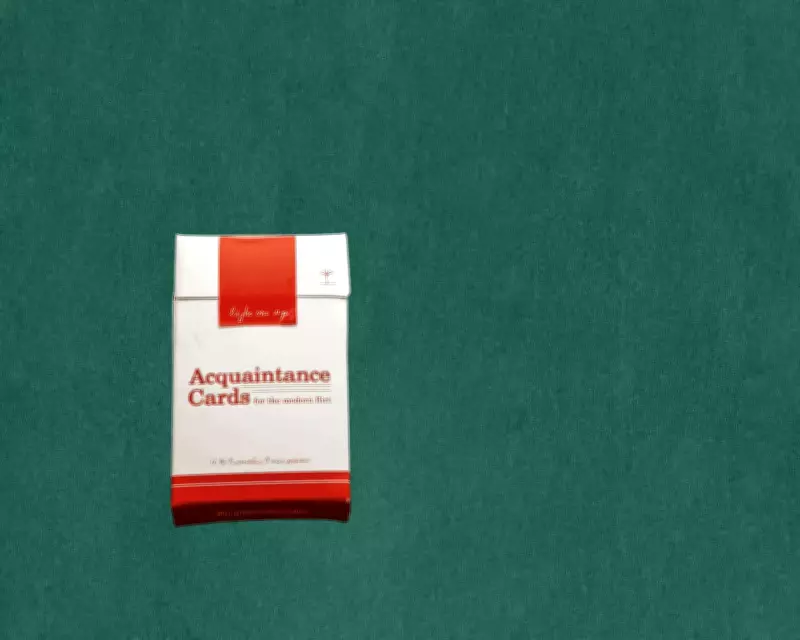
The card holder's design mimics a retro cigarette case in red and white, evoking pre-app dating eras. Lee noted, "So much of vintage cigarette ads are based on flirting and making a move," citing a 1930s ad that reads, "I like what you like," depicting a couple smoking together.
Practical Uses and Social Media Success
Lee suggests creative ways to use the cards, such as handing one to someone and saying, "I think you dropped this," before walking away. They can also serve as conversation starters or be given on behalf of friends by circling "my friend's name" at the top. The cards have gained popularity on social media, with a viral video prompting comments like "bye bye hinge" and "I just impulsively bought solely bc of this video." Priced at $22, they are available through No Particular Order's website.
A Real-World Test: Do They Work?
To evaluate the cards' effectiveness, a journalist ventured into downtown Manhattan with single friends, armed with acquaintance cards. After initial struggles at a music venue and dive bar, they spotted an approachable group at a table. Overcoming nerves, a friend handed cards to two individuals, who responded enthusiastically, praising the concept. Within 20 minutes of returning home, the journalist received a text: "hey, I got your card." This success highlighted how the cards can facilitate connections that might not occur on apps, embracing the nerve-racking but genuine potential of real-life encounters.
The Broader Trend
This innovation aligns with a growing trend among singles attending flirting parties and dating-oriented run clubs to meet partners offline. No Particular Order's cards offer a romanticized, serendipitous option that contrasts with algorithm-driven dating platforms. By blending historical charm with modern inclusivity, they provide a tangible tool for fostering spontaneous connections in today's fast-paced world.