From minimum wage to six-figure salaries: The reality of make-up artistry
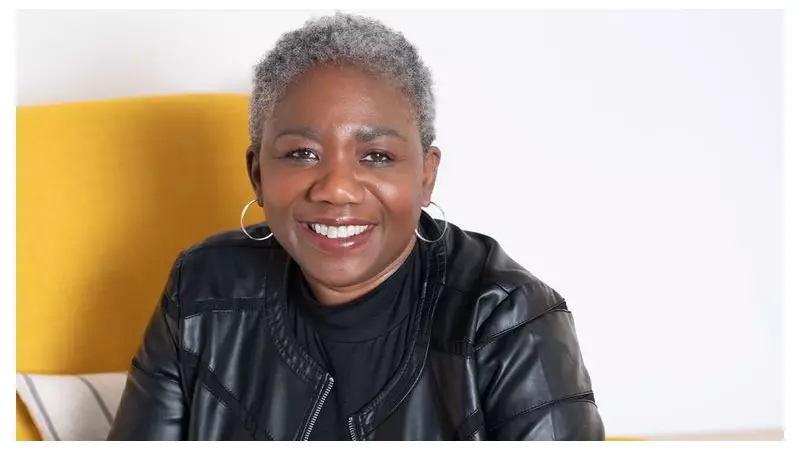
Each week, we delve into the professional lives of Britain's workforce, and this time we're uncovering the truth behind the beauty industry with professional make-up artist Joyce Connor.
Speaking exclusively to Sky News, Connor revealed that while retail make-up artists typically earn minimum wage, the profession's top tier can command impressive six-figure incomes. "The more advanced artists and celebrity artists can be earning more than £100,000 easily," she explained, though she emphasised that reaching this level requires significant time, skill and dedication.
Beauty on a budget: Where to splurge and where to save
When it comes to building your make-up collection wisely, Connor offers clear guidance on where your money is best spent. Foundation is the one product worth investing in, according to the expert, who believes higher-end brands have perfected their formulations for skin type, tone and finish.

However, she insists you don't need to break the bank on everything. "You don't need to spend much on pencils," Connor revealed, noting she's achieved excellent results with lip liners costing just £1. For those seeking glamour on a budget, she recommends affordable liquid highlighters that can be mixed with foundation or applied to cheekbones and brow bones for definition.
Her favourite dupe? The MCo Beauty Miracle Flawless pressed powder, which she describes as the best alternative to Charlotte Tilbury's popular flawless filter powder.
Industry secrets and retirement plans
Beyond product recommendations, Connor shared insights into her working life and financial planning. The self-employed artist typically works between 30 and 60 hours weekly, including admin, kit cleaning and route planning. "When you're self-employed, you're always working," she admitted, though she makes a conscious effort to take at least six breaks annually.
Her retirement strategy involves ISA investments rather than relying heavily on her private pension, started 25 years ago. Following in her father's footsteps, who retired at 80, Connor doesn't anticipate complete retirement, though she has recently stepped back from wedding make-up to reclaim her weekends.
Common mistakes and celebrity inspiration
According to Connor, the biggest error people make is wearing the wrong foundation shade. With countless options available, finding your perfect match dramatically improves your final look.
She champions the natural make-up trend she's known for, while hoping the "Instaglam" aesthetic with its dramatic cut creases disappears for good. When it comes to celebrity inspiration, she praises Victoria Beckham's impeccable make-up choices and application skills.
For those facing difficult customers, her approach is simple: "Kill them with kindness. Stay polite and never retaliate." Fortunately, she's encountered few challenging clients throughout her career.
Tools of the trade and beauty hacks
In the eternal brush versus beauty blender debate, Connor firmly sides with brushes. She favours an angled kabuki-style brush for foundation application, citing better hygiene and product efficiency. "Blenders are very difficult to keep completely clean," she noted, adding that they absorb significant product.
Her top money-saving hack? "Go shopping in your make-up cupboards and drawers" and organise swaps with friends for unused products. She also revealed an industry secret about haemorrhoid cream's temporary wrinkle-reducing effects, though she cautions against DIY attempts without proper knowledge.
If limited to just three make-up items for a job, she'd choose concealer for its multitasking abilities, powder to control shine, and mascara for instantly transformative eyes.

The changing face of beauty
Connor observes that while business remains steady as people continue wanting to look good for occasions, she's noticed an increase in make-up lesson bookings this year. "Women want to learn to use what they already have," she explained, reflecting a shift towards smarter beauty consumption.
She criticises social media for pushing products without explaining their suitability, but acknowledges the industry's positive evolution towards inclusivity across budgets. For those who dislike make-up, she believes this often stems from application difficulties or previous bad experiences rather than the products themselves.