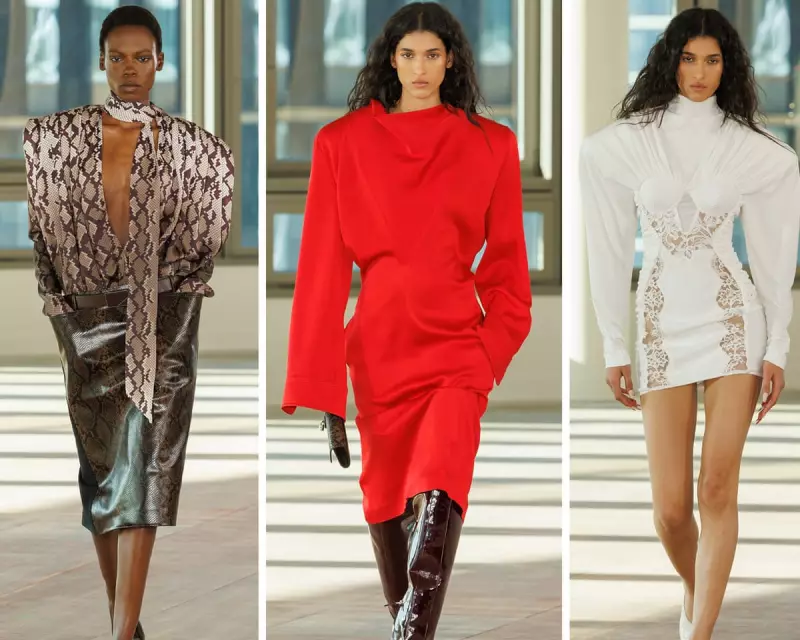
The future of the Stella McCartney fashion label is under intense scrutiny after the company's latest financial accounts revealed deepening losses and a sharp drop in revenue, sparking fears it could run out of cash within a few years.
Mounting Financial Pressure
According to documents filed at Companies House, the British brand founded by designer Stella McCartney recorded a pre-tax loss of £33.6 million in 2024, a significant increase from the £25 million loss reported the previous year. This financial setback was compounded by a steep decline in sales, which fell by 27% to just £16 million over the same period.
The label has not turned an annual pre-tax profit since 2017. Directors have now issued a stark warning that, even if its parent company Anin Star Holding does not demand loan repayments, the business could exhaust its cash reserves by 2028. This has led to an urgent search for new funding to ensure the company's survival.

Challenging Market Conditions Blamed
The company's directors, which include McCartney herself, attributed the poor performance to "challenging market conditions" affecting the global luxury sector. They noted that even affluent consumers are tightening their belts due to the rising cost of living, while key spending from Chinese shoppers has also slowed.
This trend has impacted other British luxury names, with Burberry previously pointing to the end of tax-free shopping for tourists as a factor in weaker UK sales. For Stella McCartney, growth in UK and direct store sales was not enough to offset a severe decline in royalty and wholesale income, which dragged down the overall revenue figure.
Independence and Future Funding
The financial update follows a period of significant corporate change for the brand. In January of this year, McCartney bought back the 49% stake in her label that was held by luxury giant LVMH, regaining full control. This move came just over a year after she ended a long-standing 17-year partnership with rival conglomerate Kering, the owner of Gucci, by repurchasing its 50% share.
While the brand, renowned for its ethical stance and vegan products, has identified contingency plans to extend its cash runway, directors admitted they "may consider alternative sources of funding to secure the long-term viability of the business." The company continues to trade, with its premium vegan handbags retailing for close to £1,000, but the search for a sustainable financial model is now paramount.