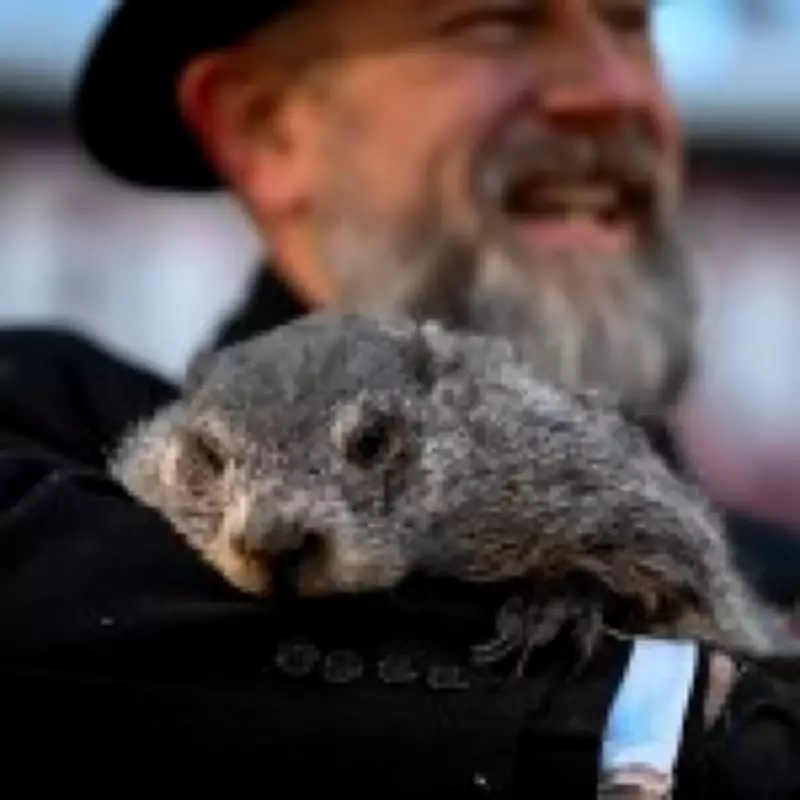
As February 2nd arrives each year, attention turns to a small Pennsylvania town and its most famous resident – Punxsutawney Phil, the weather-predicting groundhog whose annual forecast has become a beloved American tradition. This year, Phil has delivered his verdict for 2026, and it's not what spring enthusiasts wanted to hear.
The Origins of Groundhog Day
Groundhog Day traces its roots to the folklore of the Pennsylvania Dutch, an ethnic group with German origins in the United States and Canada who maintain distinct language and cultural traditions. According to their superstition, if a groundhog emerges from its burrow on February 2nd and sees its shadow, winter will persist for six more weeks. If no shadow appears, spring will arrive early.
While similar traditions involving hibernating animals exist worldwide, the Pennsylvania Dutch version has become the most prominent. Across the United States and Canada, communities gather to observe local groundhogs, but all eyes remain fixed on one particular prognosticator.

Meet Punxsutawney Phil
The undisputed star of Groundhog Day is Punxsutawney Phil, who resides in the Pennsylvania town that shares his name. According to his handlers, Phil has been making predictions for approximately 140 years, though groundhogs typically live only six to eight years in the wild.
Each February 2nd, Phil emerges from his burrow at Gobbler's Knob before a cheering crowd. He communicates his weather prediction through what his handlers describe as 'Groundhogese' – a language of winks, purrs, chatters, and nods. The president of the Inner Circle, dressed in traditional top hat and tails, then translates Phil's message to the awaiting spectators.
The 2026 Prediction
For 2026, Punxsutawney Phil has predicted six more weeks of winter weather after reportedly seeing his shadow. This marks another year in Phil's long history of favoring extended winter forecasts over early spring predictions.
The Punxsutawney Groundhog Club maintains that when Phil doesn't see his shadow, it signals an early spring. When he does see it, as happened this year, winter will persist for six additional weeks. Last year's prediction followed the same pattern, making this Phil's most common assessment during early February.
Cultural Impact and Film Connection
For those who find the tradition excessively quaint, they share something in common with Phil Connors, the cynical weatherman portrayed by Bill Murray in the 1993 classic film Groundhog Day. The movie follows Connors as he becomes trapped reliving the same day in Punxsutawney while covering the annual ceremony.
Harold Ramis's film brought international attention to both the Pennsylvania town and the Groundhog Day tradition itself, transforming what was once a regional custom into a globally recognized cultural phenomenon. The movie's enduring popularity continues to introduce new generations to this unique American celebration.
While meteorologists rely on sophisticated technology for weather forecasting, millions still look to a groundhog in Pennsylvania for their seasonal predictions. Whether viewed as charming folklore or serious tradition, Groundhog Day remains a fixture of American cultural life, blending history, superstition, and community celebration in equal measure.