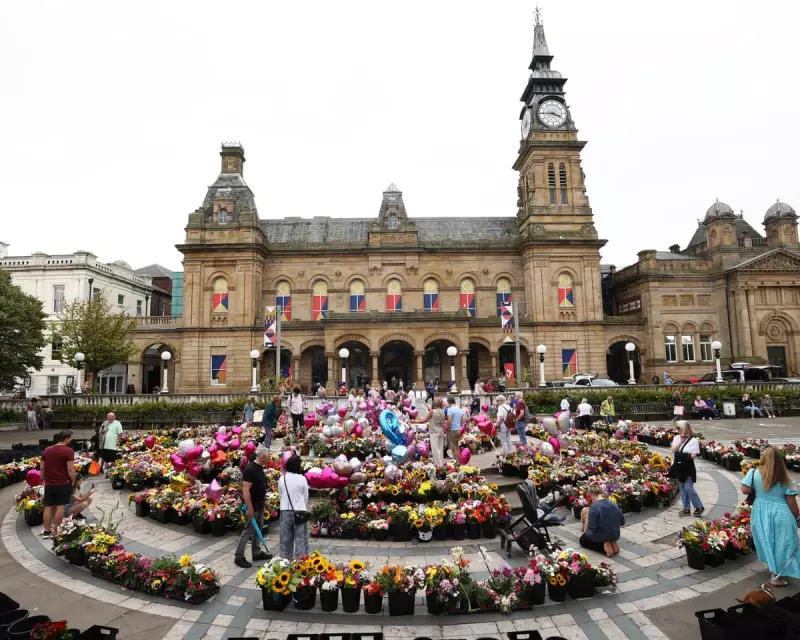
The coastal town of Southport is embarking on a transformative year of cultural activities designed to heal and unite its community following a devastating attack that shook residents to their core.
A Community's Response to Tragedy
Local authorities and community leaders have collaborated to create an extensive programme of events that will run throughout the coming year. This initiative represents a direct response to the traumatic incident that affected the town, with organisers hoping to foster unity and restore a sense of civic pride.
The cultural programme will feature numerous events designed to bring people together, including art exhibitions, musical performances, and community workshops. These activities aim to create spaces where residents can connect, share experiences, and begin the healing process collectively.

Detailed Programme Highlights
Among the planned events are outdoor theatre performances in local parks, poetry readings that encourage community participation, and art installations created through collaborative workshops. The programme has been carefully designed to be inclusive, ensuring people of all ages and backgrounds can find meaningful ways to participate.
Local artists and cultural organisations have played a crucial role in developing the programme, bringing their expertise and understanding of the community's needs to the planning process. Funding has been secured from multiple sources, including local government allocations and community grants, ensuring the events remain accessible to all residents.
Organisers emphasise that the programme is not just about providing entertainment, but about creating lasting connections between community members. Many events will incorporate elements that encourage dialogue and mutual understanding, addressing the divisions that can emerge in the aftermath of tragedy.
Long-term Impact and Community Healing
Beyond the immediate cultural offerings, the programme includes educational components and skill-sharing sessions that aim to leave a lasting legacy. These elements are designed to empower residents with new capabilities and strengthen community bonds that will endure long after the formal programme concludes.
The initiative represents a significant investment in community wellbeing and demonstrates how cultural activities can play a vital role in recovery processes. Other towns facing similar challenges are watching Southport's approach with interest, as it may provide a model for using culture as a tool for community healing.
Local residents have already begun expressing support for the programme, with many volunteering to help organise events or contribute their skills. This grassroots involvement is seen as crucial to the programme's success, ensuring it genuinely reflects and serves the community it aims to help.
As Southport prepares to launch this ambitious year of cultural events, there is a palpable sense of hope among organisers and residents alike. While the memory of the attack remains, the community is determined to write a new chapter focused on unity, creativity, and collective resilience.